



The Old-School Hero Gets a New Look
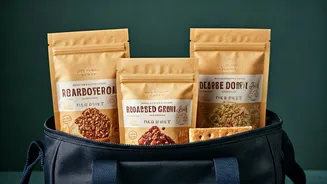
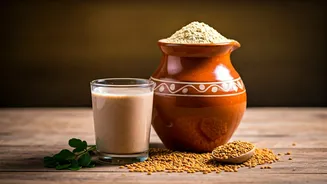
If you grew up in or around states like Bihar, Jharkhand, or Uttar Pradesh, sattu is a familiar taste of home. Traditionally known as a 'poor man's protein,' this super-flour is made from roasted Bengal gram (kala chana). It's a nutritional powerhouse
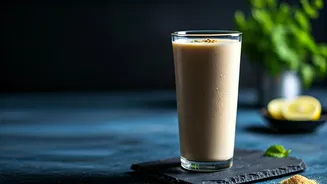
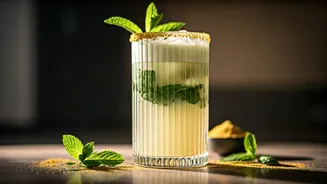
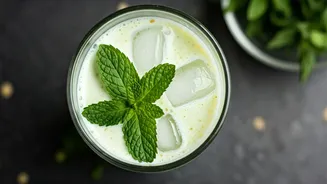
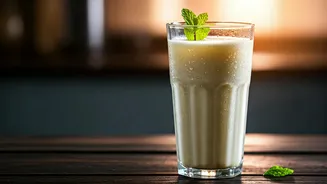
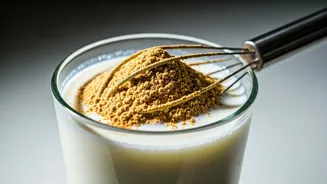
that has sustained generations of farmers and labourers with its slow-releasing energy. Mixed with water, salt, and a squeeze of lime, it’s been a rustic, no-fuss meal and a natural coolant for decades. But today’s version isn’t just a simple mix. Cafes and wellness influencers are blending it into a sophisticated, refreshing beverage: Sattu Mint Buttermilk. This isn't your grandmother's sattu drink; it's a whole new vibe.
The Perfect Blend of Health and Taste
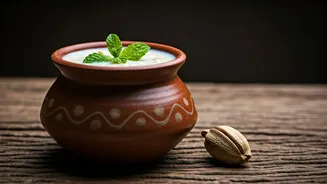
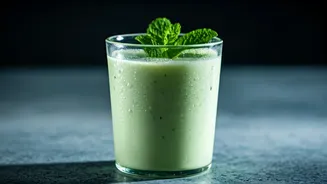
The primary driver behind sattu's resurgence is its incredible health profile, which aligns perfectly with Gen Z’s wellness-focused mindset. Sattu is packed with plant-based protein, insoluble fibre, and essential minerals like iron, manganese, and magnesium. The fibre aids digestion and keeps you full longer, making it a fantastic choice for weight management. Its low glycemic index is great for regulating blood sugar, providing sustained energy without the crash associated with sugary drinks. When you blend this powerhouse powder with cooling buttermilk (chaas) and a handful of fresh mint, you get a drink that’s not just nutritious but also incredibly refreshing and palatable. The buttermilk masks the earthy, sometimes acquired, taste of sattu, while the mint adds a burst of freshness, making it the perfect antidote to India's scorching summers.
Authenticity in a Glass
For a generation weary of globalised, processed health trends, there's a powerful pull towards authenticity and rediscovering one's roots. Sattu represents a return to traditions that are sustainable, local, and time-tested. Choosing sattu over an imported protein powder or a packaged energy drink is a conscious decision. It's a nod to indigenous food wisdom and a rejection of the idea that 'healthy' has to come from a Western supermarket aisle. This search for authenticity is a hallmark of Gen Z culture, where value is placed on products with a story and a genuine connection to a place and its people. Sattu isn't a lab-created supplement; it's a food with a history, and that narrative is a huge part of its modern appeal.
Made for the Instagram Feed
Let’s be honest: in the age of social media, aesthetics matter. The traditional sattu sharbat, often a simple, murky-looking drink, was never going to go viral. The Sattu Mint Buttermilk, however, is a different story. Served in tall, stylish glasses, with a vibrant green hue from the mint, garnished with a lemon wedge or a sprig of cilantro, it’s incredibly photogenic. Urban cafes are plating it up with an artisanal flair, transforming it from a humble staple into a premium, desirable beverage. When a drink looks as good as it makes you feel, it’s destined for Instagram stories and TikTok videos. This visual appeal has been crucial in introducing sattu to a younger, urban audience that may have had no prior connection to it.
Wellness That Doesn't Break the Bank
Another significant factor is its affordability. The wellness industry is notorious for its expensive products, from exotic berries to fancy supplements. Sattu, on the other hand, is incredibly cost-effective. A packet of high-quality sattu flour costs a fraction of what a tub of whey protein or a month’s supply of kombucha would. This makes it an accessible source of nutrition for everyone, especially students and young professionals on a budget. In a world where self-care is often commercialised and priced at a premium, sattu offers a democratic alternative. It proves that you don't need to spend a fortune to be healthy, a message that resonates deeply with a generation that values smart, sustainable living.