




Not Just for Bookworms Anymore
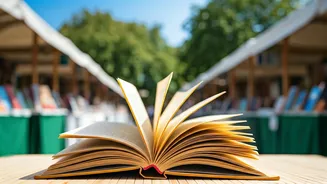
Forget the stereotype of stuffy halls with hushed, academic discussions. The modern book festival in India is a vibrant, multi-sensory experience. Events like the Jaipur Literature Festival, often dubbed the 'greatest literary show on Earth', have transformed
the model. They are now sprawling cultural carnivals complete with music, art installations, food stalls, and a bazaar. This 'masala mix' approach, combining serious literary panels with entertainment, has proven incredibly successful, attracting hundreds of thousands of visitors. The appeal has broadened from hardcore readers to anyone seeking a lively, prestigious cultural event where the book is often the backdrop, not always the main event.
The Search for Real-Life Connection
Paradoxically, the very technology that was supposed to kill print is now fueling the desire for in-person literary experiences. After years of screen-based interaction, there's a growing hunger for authentic, face-to-face encounters. Festivals provide a space for this, creating a temporary community where people can engage in conversations, challenge authors, and share ideas without the filter of a screen. This need for connection is a powerful draw, turning a solitary activity—reading—into a collective, social celebration. Attendees leave their daily lives behind to immerse themselves in a shared world of stories and ideas, finding a remedy for the social isolation of the digital age.
The Instagrammable Literary Experience
Social media plays a complicated but crucial role. While it competes for our attention, it also drives discovery and creates a fear of missing out (FOMO) that gets people to events. A book festival is no longer just an event; it's a photogenic experience. The presence of celebrity authors, colourful decor, and engaged crowds makes for perfect social media content. Being seen at a prestigious cultural event like a literature festival has become a status symbol for many. This visibility, in turn, promotes the festival to a wider network, attracting new audiences who might have initially come for the 'vibe' but stay for the stimulating discussions. Digital platforms have become powerful tools for festival promotion, building a sense of community and anticipation long before the gates open.
More than a Festival, It's an Economy
The success of these festivals is also an economic story. Major events like the Jaipur and Kerala Literature Festivals have become significant drivers of cultural tourism, boosting local economies. The Kerala Literature Festival, for instance, draws a huge number of visitors, which played a part in Kozhikode being named India's first UNESCO City of Literature. These festivals are market builders for the publishing industry, creating buzz for new books and introducing readers to authors they might not have discovered otherwise. While the direct correlation between festival attendance and national book sales can be debated, the immediate impact is clear: an emotionally moved audience is more likely to buy a book as a memento of their experience.