




Decoding the IMD's Colour Palette
The India Meteorological Department (IMD) uses a simple four-colour system to communicate weather severity. For a traveller, this is your first and most important guide. A 'Green' alert means 'All is Well', indicating clear weather with no need for special
precautions. A 'Yellow' alert acts as a 'Watch' signal; bad weather is possible, so you should stay aware and allow for minor delays. An 'Orange' alert is a call to 'Be Prepared' for significant disruptions like transport delays and waterlogging due to heavy rainfall. Finally, a 'Red' alert is the most serious, meaning 'Take Action'. It warns of extremely severe weather with a high risk to life and property, often advising against all non-essential travel.
Finding and Using Official Forecasts
While generic weather apps are convenient, for travel planning during the monsoon, it's crucial to rely on official sources. The IMD's website (mausam.imd.gov.in) is the primary source for all warnings and forecasts. For on-the-go updates, the 'Mausam' app, available on both Android and iOS, provides location-specific forecasts, radar images, and timely alerts. The 'Umang' app also integrates IMD services, including tourism forecasts and lightning alerts. Checking these platforms daily before and during your trip is a non-negotiable part of safe monsoon travel. These tools provide district-level forecasts and nowcasts (short-range forecasts of up to three hours), which are invaluable for day-to-day planning.
How to Adjust Your Itinerary
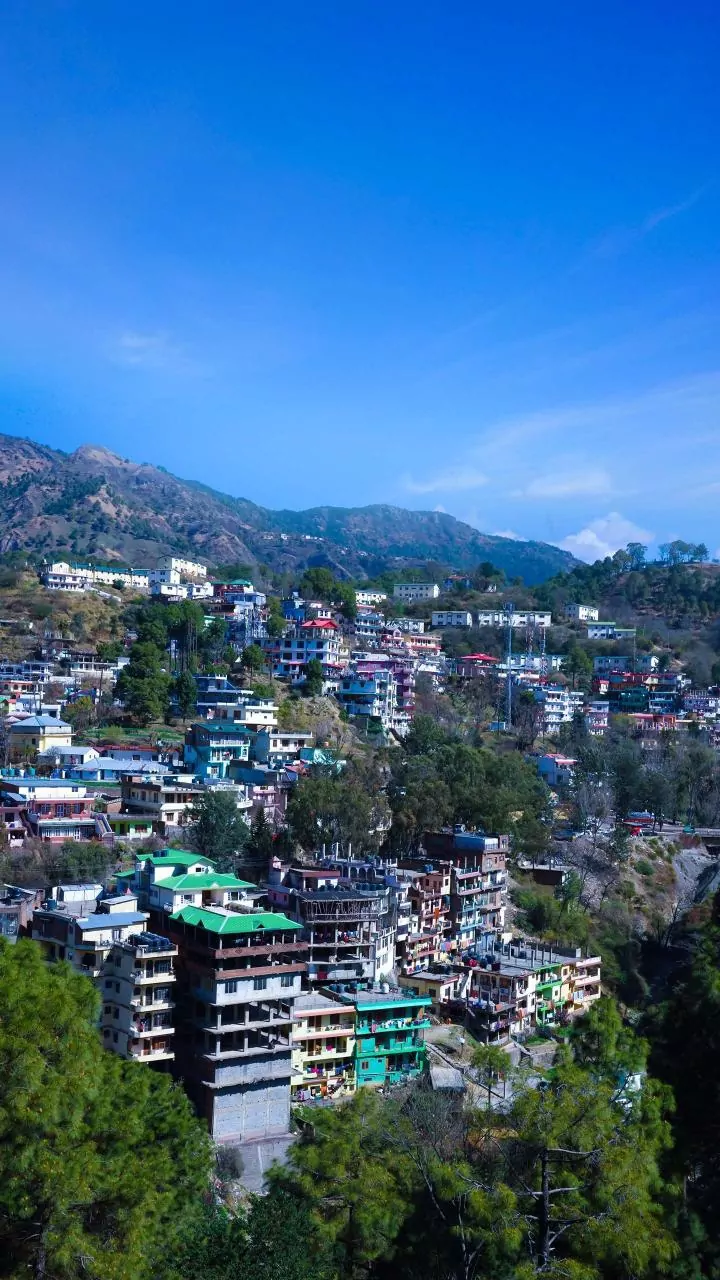
A weather warning’s impact depends heavily on your location. An Orange alert in a city might mean traffic jams, but the same alert in a hilly region like Himachal Pradesh or the Western Ghats could signal a high risk of landslides, making travel dangerous. If a Yellow alert is issued, proceed with caution. Perhaps swap that long-distance drive for exploring a local market or museum. If an Orange alert appears, it's time to seriously reconsider. That trek might need to be cancelled, and a drive through winding ghat roads should be postponed. Use this as an opportunity to explore indoor attractions, enjoy the rain from a safe cafe, or check with your hotel about local, accessible activities. Don't let the alert end your fun; let it redirect it smartly.
The Red Alert: When to Stop
A Red alert is not a suggestion; it's a critical safety warning. When the IMD issues a Red alert, your only plan should be to stay put and stay safe. All non-essential travel must be avoided. Your pre-booked trek, jungle safari, or road trip is definitively off the table. At this stage, your priority is safety, not sightseeing. Stay indoors, follow the instructions of local authorities, and maintain communication with your hotel management. Trying to stick to an itinerary during a Red alert is not just inconvenient, it's dangerous. These warnings are issued when there is a significant risk of flooding, landslides, and major disruption to essential services.
Plan for Flexibility, Not Perfection
The key to a successful monsoon trip is building flexibility into your plan from the very beginning. Instead of a rigid, back-to-back schedule, create an itinerary with built-in buffer days. This allows you to adapt to weather changes without stress. When booking hotels and transport, look for options with flexible cancellation or rescheduling policies. Pack for all scenarios: include quick-dry clothing, waterproof footwear, a reliable raincoat, and a waterproof cover for your backpack. Having a 'Plan B' for each day, such as identifying indoor attractions or alternate, safer routes, will empower you to enjoy your holiday no matter what the weather brings. About 25-30% of traveller queries during monsoon involve weather-related changes, so being prepared is key.