



The Golden Glow of Genda
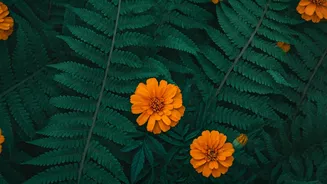
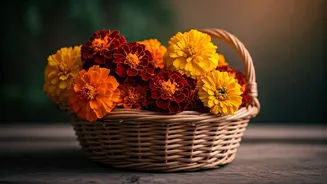
Marigolds, or 'genda phool', are more than just a splash of sunshine; they are woven into the fabric of Indian culture. These bright orange and yellow flowers are symbols of auspiciousness, positive energy, and devotion. You see them strung into garlands
for festivals like Diwali, offered in pujas to deities like Lord Vishnu and Lord Ganesha, and used to welcome guests at weddings. Though many marigold species are native to the Americas, they were introduced to India centuries ago and quickly became a cultural staple for their cheerful appearance and resilience. The most common varieties grown in India are the African Marigold (Tagetes erecta), known for its large, globe-shaped flowers, and the more compact French Marigold (Tagetes patula). Bringing them into your home adds not just colour, but a touch of tradition and warmth.
Growing Marigolds in Pots
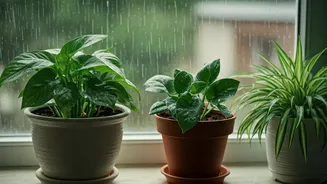
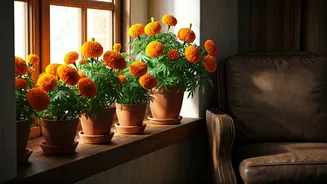
You don’t need a large garden to enjoy marigolds. They thrive in pots on a sunny balcony or windowsill that receives at least six hours of direct sunlight. Use a well-draining soil mix; a standard garden soil combined with some sand and organic compost works perfectly. Marigolds are not overly demanding, but they do need consistent watering when they are young. Once established, water them when the top inch of soil feels dry. Be careful not to overwater, especially in humid or rainy seasons, as this can lead to root rot. For abundant flowers, it’s a good idea to 'deadhead' or pinch off spent blooms. This encourages the plant to produce new buds instead of putting energy into making seeds.
The Lush Tranquility of Ferns
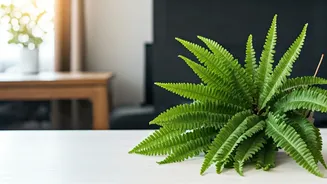
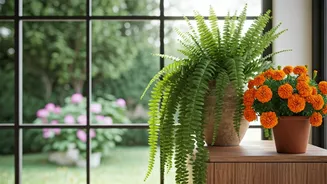
In contrast to the sunny disposition of marigolds, ferns offer a calming and cooling presence with their lush, green fronds. Many fern species are native to India's tropical and subtropical forests, making them well-suited for our indoor climates. They are perfect for adding a touch of serene nature to spaces that don't get direct sun. Popular choices for Indian homes include the Boston Fern (Nephrolepis exaltata), with its classic arching fronds, the delicate Maidenhair Fern (Adiantum), and the modern-looking Bird's Nest Fern (Asplenium nidus). These plants are excellent for purifying the air and thrive in the humidity often found in bathrooms and kitchens.
Caring for Your Indoor Ferns
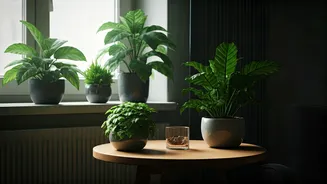
The key to happy ferns is replicating their natural forest-floor habitat. They prefer bright, indirect light, so a spot near a north or east-facing window is ideal. Direct sunlight will scorch their delicate leaves. Ferns love high humidity. To keep them thriving, especially in dry winter months or air-conditioned rooms, you can mist the leaves daily, place the pot on a pebble tray filled with water, or group several plants together to create a more humid microclimate. Keep the soil consistently moist but not waterlogged. A good rule of thumb is to water thoroughly when the top inch of soil feels slightly dry. Using a pot with good drainage is essential to prevent the roots from sitting in water.
Styling with Nature's Best
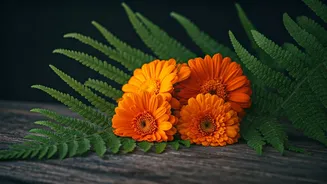
The decorative possibilities with marigolds and ferns are endless. Use marigold flowers to create beautiful centrepieces by floating them in a bowl of water with some tealights. String them into short garlands to drape over mirrors or photo frames. For a traditional touch at your entrance, fill earthen pots with marigold garlands. Ferns, on the other hand, are perfect for creating green corners. Use hanging baskets for Boston ferns to let their fronds cascade gracefully. Place a smaller fern like a Button Fern on a desk or shelf. A larger Bird's Nest Fern can serve as a stunning statement piece in a corner of your living room, bringing a feeling of lush abundance indoors.