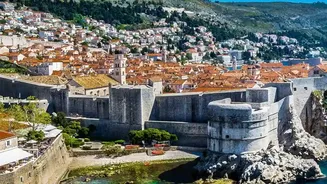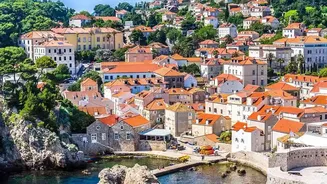

Dubrovnik’s Old Town: A Cinematic Set Piece
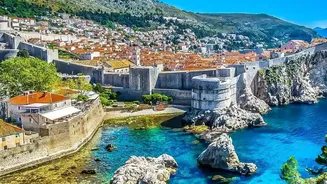
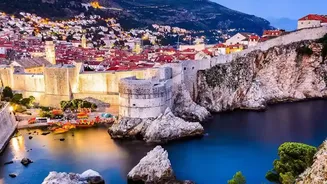
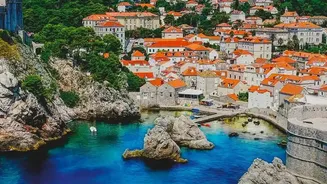
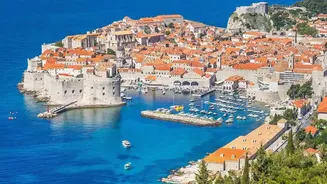
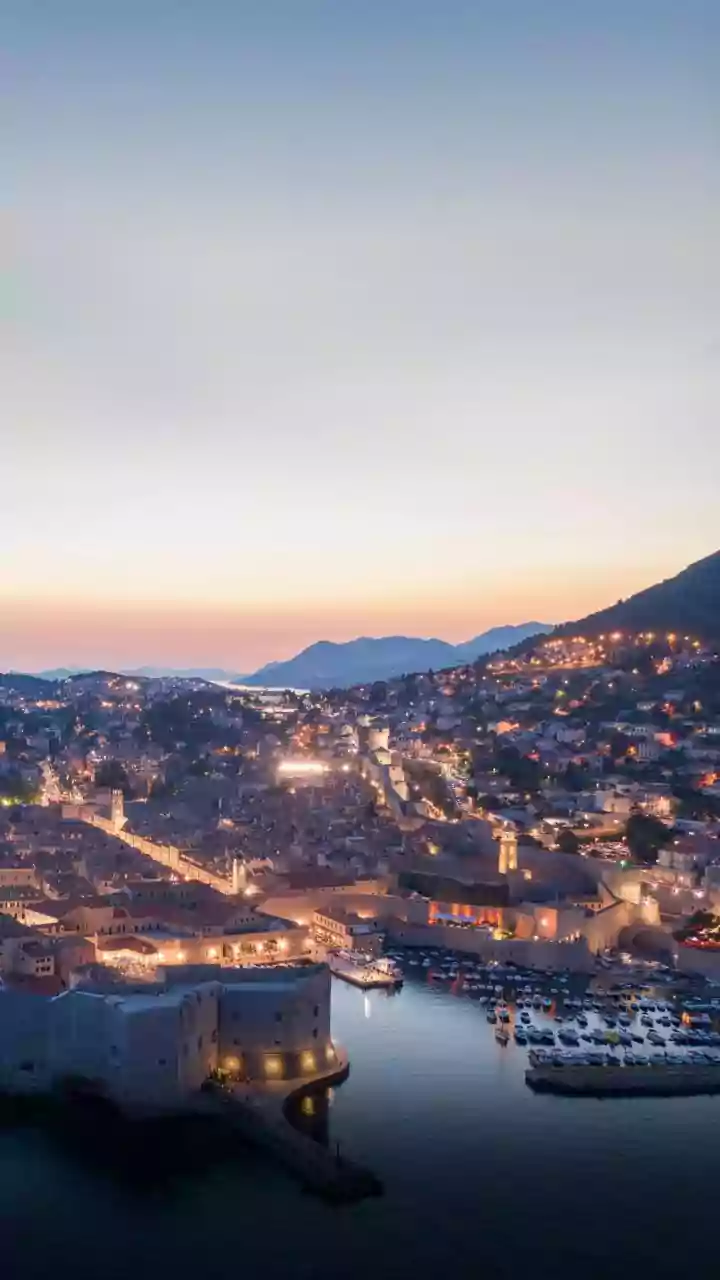
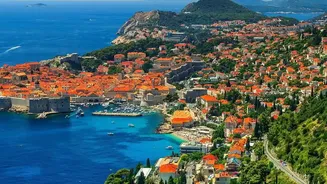
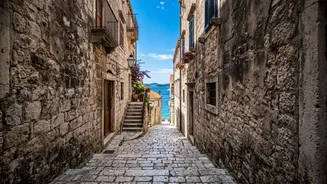
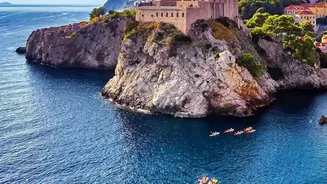
Known as the 'Pearl of the Adriatic' and a primary filming location for 'Game of Thrones', Dubrovnik's walled city is breathtakingly beautiful. The promise is a walk-through history, with limestone streets and baroque buildings. The reality, especially
from May to September, is human traffic jams. Cruise ships disgorge thousands of visitors daily, clogging the main street, the Stradun, and making a casual stroll feel like navigating a theme park queue. The local population in the Old Town has dwindled, replaced by tourist-focused businesses. The city's charm is still there, but it's often buried under layers of tourist groups and souvenir shops. For a more peaceful experience, consider visiting in the shoulder season (April or October), exploring early in the morning before 9 a.m., or staying in the nearby Lapad area and dipping into the Old Town for shorter visits.
Hvar Town: The Party That Drowned the Charm
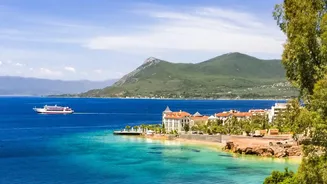
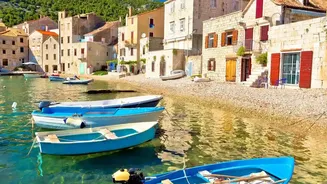
Hvar has a reputation as Croatia's glamorous party island, a place for yacht-spotting and dancing until dawn at exclusive beach clubs. While it delivers on nightlife, the peak season focus on high-priced revelry can feel one-dimensional. Hvar Town becomes incredibly crowded, and prices for accommodation, food, and drinks can be exorbitant compared to other Dalmatian islands. The island itself is gorgeous, with lavender fields and quiet coves, but much of that is overshadowed by the town's sometimes-generic party scene. If you're not there specifically for the nightlife, the cost and crowds might make you feel out of place. For a more authentic island vibe, explore quieter towns on Hvar like Stari Grad or Jelsa, or consider visiting the less-developed and more tranquil island of Vis.
Plitvice Lakes National Park: Nature on a Timetable
There is no denying the ethereal beauty of Plitvice Lakes. A UNESCO World Heritage site, its sixteen terraced lakes are connected by waterfalls, creating a landscape that looks almost unreal. However, its fame is also its biggest challenge. During peak months, the narrow wooden boardwalks that snake through the park become incredibly congested. Instead of a peaceful immersion in nature, you may find yourself in a slow-moving, single-file line of people taking selfies. The experience can feel rushed and structured, with high entrance fees adding to the pressure. To capture some of the magic, the best advice is to visit during the shoulder seasons of late spring or early autumn, stay overnight nearby to enter the park right at opening time, or explore the less-trafficked upper lakes.
Split’s Diocletian’s Palace: A Living Monument Under Pressure
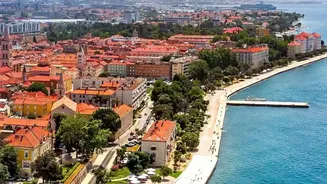
The heart of Split is a 1,700-year-old Roman palace that has been continuously inhabited, making it a unique living monument. It’s a labyrinth of ancient cellars, temples, and medieval homes now filled with bars, shops, and restaurants. The problem is that this historical core is also the epicentre of Split's tourist boom. The narrow passageways can become extremely congested, especially when multiple cruise ships are in port. The Peristyle, the palace's central courtyard, often feels more like a crowded event space than a historical site, with every surface seemingly occupied. While the energy is vibrant, the sheer volume of foot traffic and commercial activity can make it difficult to appreciate the extraordinary history you're standing in. Alternatives like Trogir’s historic centre or Šibenik offer a similar medieval Dalmatian atmosphere with a fraction of the crowds.
Rovinj: The Picturesque Town Turned Tourist Market
On the Istrian peninsula, the fishing town of Rovinj is undeniably charming, with colourful houses packed onto a small peninsula and a stunning hilltop church. It’s an artist’s dream. However, its popularity has led to a familiar pattern of commercialisation. The winding cobblestone streets of the old town are now lined with countless souvenir shops and art galleries selling similar, often overpriced, goods. While beautiful to look at, the core of the town can feel less like an authentic Croatian community and more like a marketplace catering exclusively to tourists. The waterfront is packed with restaurants that can be hit-or-miss in quality and price. For a more grounded Istrian experience, consider using Rovinj as a base to explore the region's inland hill towns, such as Grožnjan and Motovun, which offer history and culture with a more local feel.