





The Making of an Oil: Two Different Paths
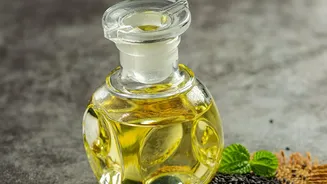
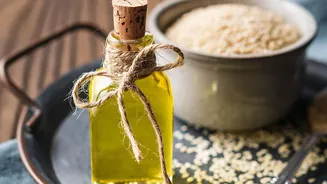
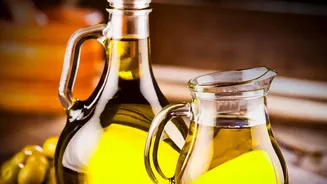
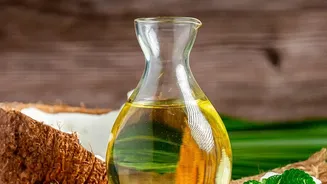
The fundamental difference between cold-pressed and refined oils lies in their extraction process. Cold-pressed oils are made using a simple, mechanical method. Seeds or nuts are crushed under pressure without using high heat or chemical solvents. This
gentle process, often done in a traditional 'ghani' or 'chekku', ensures the oil retains its natural flavour, aroma, and, most importantly, its nutritional goodness, including antioxidants and vitamins. Refined oils, on the other hand, undergo a multi-step industrial process designed for efficiency and a longer shelf life. The extraction often involves high heat and solvents like hexane to get the maximum amount of oil from the seed. Afterwards, the oil is 'cleaned up' through processes like bleaching and deodorising, which remove impurities but also strip away many of the natural nutrients, flavour compounds, and colour. The end result is a neutral, stable oil with a consistent appearance.
The Smoke Point Showdown: Which Oil Can Take the Heat?
For Indian cooking, which often involves high temperatures for deep-frying pakoras or making a sizzling tadka, an oil's smoke point is crucial. The smoke point is the temperature at which an oil begins to break down and produce visible smoke. When an oil is heated past this point, it not only develops a burnt taste but also starts forming harmful compounds. This is where refined oils have a clear advantage. The refining process removes the very particles that tend to burn at lower temperatures, giving refined oils a significantly higher smoke point. Refined sunflower, groundnut, canola, and rice bran oils are therefore excellent choices for high-heat cooking like deep-frying. Cold-pressed oils generally have lower smoke points and are better suited for low to medium-heat cooking, such as light sautéing or stir-frying.
A Matter of the Heart: Nutrients and Healthy Fats
When the focus shifts from heat to heart health, cold-pressed oils take the lead. Because they are minimally processed, they retain a wealth of beneficial compounds. They are rich in natural antioxidants like Vitamin E and polyphenols, which help fight inflammation and oxidative stress, two key contributors to heart disease. They are also packed with healthy monounsaturated (MUFA) and polyunsaturated (PUFA) fats, known to help lower 'bad' LDL cholesterol and support overall cardiovascular wellness. Conversely, the intense processing that refined oils undergo strips away most of these valuable antioxidants and micronutrients. While they provide calories, they offer little in the way of the protective compounds found in their cold-pressed counterparts. The high-heat processing of some refined oils can also potentially create unhealthy trans fats, which are detrimental to heart health.
Flavour, Aroma, and Your Final Dish
Beyond health and heat, there's the simple matter of taste. Cold-pressed oils carry the distinct flavour and aroma of their source. Think of the pungent kick of cold-pressed mustard oil, the nutty notes of groundnut oil, or the rich taste of extra virgin olive oil. This makes them fantastic for finishing a dish, making dressings, or when you want the oil's character to be part of the recipe. Refined oils are prized for their neutrality. Because they have no distinct taste or smell, they won't interfere with the other ingredients in your dish. This makes them a versatile workhorse for baking or any recipe where you want the primary flavours to shine through without any contribution from the cooking medium.
Your Kitchen Strategy: The Right Oil for the Right Job
So, which oil should you stock in your pantry? The smartest approach is to have both and use them strategically. Think of it as building a toolkit for your kitchen. For high-heat cooking like deep-frying and searing, reach for refined oils. Refined groundnut, sunflower, or rice bran oil are reliable choices. Ghee, with its naturally high smoke point, is another excellent traditional option for high-heat cooking. For everyday cooking on low to medium heat, like preparing sabzis or tadkas, cold-pressed oils like groundnut, sesame, or coconut oil are wonderful. For raw applications, like salad dressings or drizzling over a finished dish for a burst of flavour, use nutrient-dense and aromatic cold-pressed oils like extra virgin olive oil or flaxseed oil.