




The Engine of the Economy
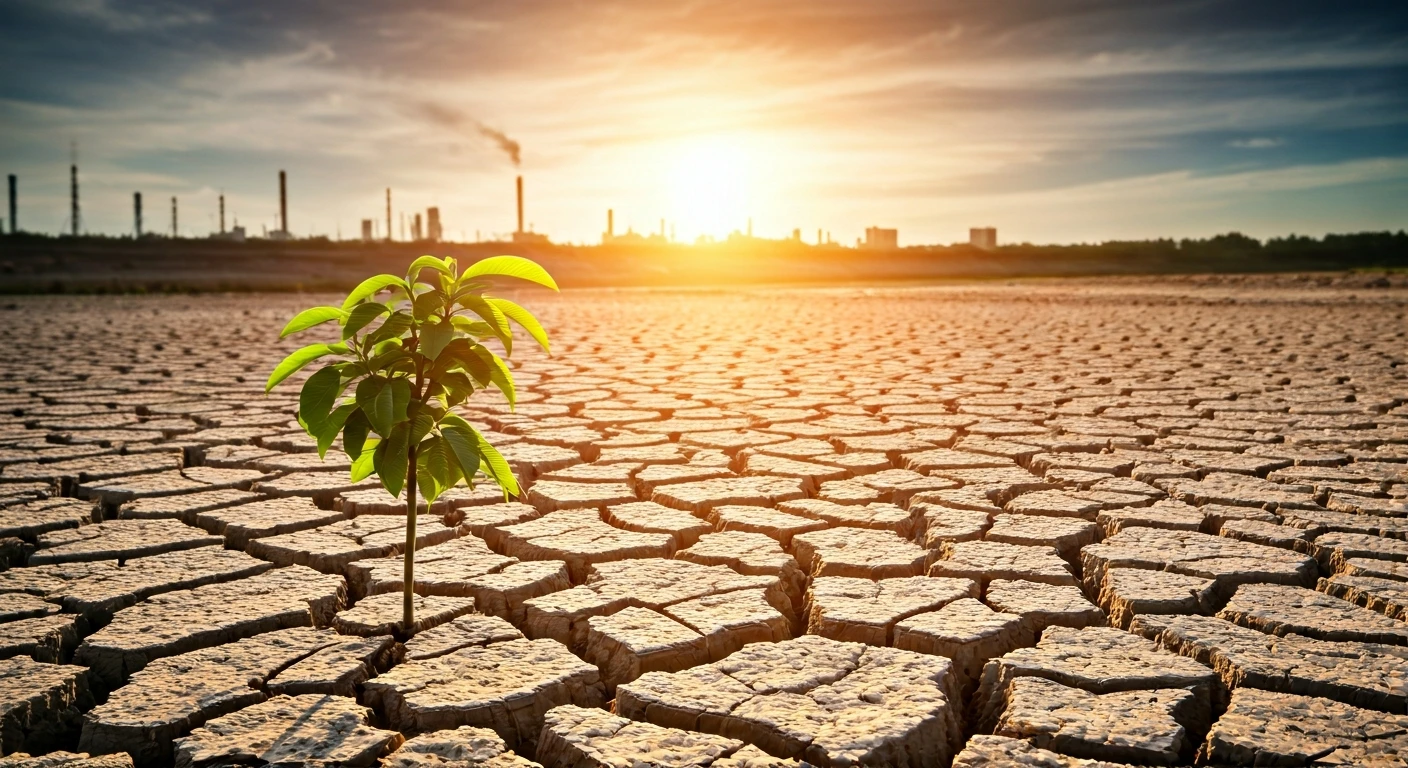
India's economy has long been described as a gamble on the monsoon, and for good reason. The agricultural sector, which employs nearly half the country's population, remains heavily dependent on the roughly 70% of annual rainfall that arrives between
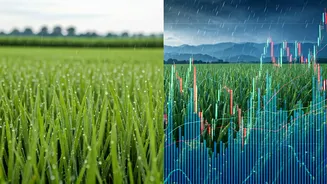
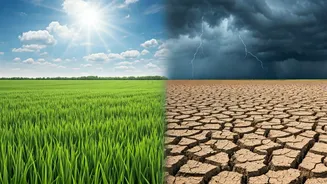
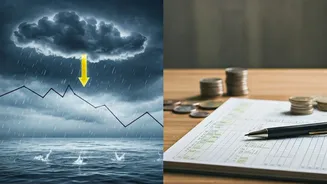
June and September. [4, 6] A good monsoon leads to bumper harvests of crucial kharif crops like rice, soybeans, and cotton. [2, 11] This not only boosts farm incomes and stimulates rural demand for goods and services but also helps keep food inflation in check. [4, 7] Conversely, a poor or failed monsoon can trigger a devastating domino effect: crop failures lead to lower farm output, shrinking rural incomes, and a slowdown in the broader economy. [2, 3] While India's economic reliance on agriculture has decreased over the years due to a growing services sector and increased irrigation, the monsoon's performance still significantly influences GDP growth. [7, 10]
Our Collective Health and Well-being
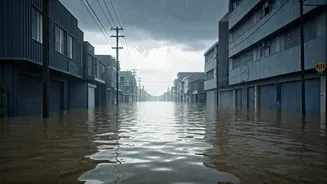
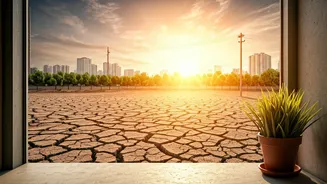
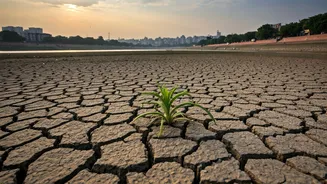
The quantity and timing of rainfall have direct consequences for public health. Excessive rainfall and subsequent flooding, particularly in densely populated urban areas, create breeding grounds for water-borne diseases. [19] Studies in cities like Mumbai show that heavy rainfall increases mortality, with slum residents being disproportionately affected by diseases like dengue, malaria, and diarrhoea that spread in the weeks following a flood. [12, 14] On the other hand, a deficit in rainfall can be just as dangerous. Droughts lead to crop failures, which can result in malnutrition and impact the long-term growth of children. [9, 16] The scarcity of water can also force schools to shut down and compel entire communities to migrate in search of reliable water sources, causing immense social and psychological distress. [13, 19]
Powering the Nation and Quenching Thirst
Beyond the fields, monsoon rains are essential for replenishing the country's water resources. They fill the hundreds of reservoirs that are critical for drinking water supply, especially for urban centres that face a growing gap between water demand and supply. [3, 11] These reservoirs are also the backbone of India's energy sector. Hydropower generation, which accounts for a significant portion of the country's electricity, is entirely dependent on adequate water levels in dams. [3, 5] A weak monsoon can lead to a sharp drop in hydropower production, forcing a greater reliance on more expensive and polluting fossil fuels to meet the country's energy needs. [3, 20] In recent years, severe heatwaves preceding the monsoon have increased evaporation from reservoirs, adding another layer of stress to India's water and energy security. [23]
Social and Political Ripples
The impact of a severe drought or catastrophic flood extends deep into India's social and political fabric. Extreme weather events often lead to displacement and distress migration from rural to urban areas, straining city infrastructure. [13, 19] Water scarcity has historically been a source of intense political conflict between states over river water rights. [13] Furthermore, the government's response to natural calamities like droughts and floods can become a contentious political issue. The distribution of disaster relief funds can be influenced by political alignments, and a government's perceived failure to manage the crisis can have significant electoral consequences. [22, 24] In a democracy, the state's ability to manage the life-giving yet destructive power of the monsoon is a constant test of its legitimacy and effectiveness. [24, 25]