



The Golden Revival
The staple making a triumphant return is none other than ghee. For decades, this clarified butter was a cornerstone of Indian cooking, its nutty aroma filling homes and its richness enhancing everything from dal and rotis to festive sweets. After a period
where it was often replaced by modern refined oils, many households are now swapping back, driven by a renewed appreciation for traditional foods and a deeper understanding of nutrition. This isn't just a fleeting trend; it reflects a broader cultural shift towards ingredients that are authentic, minimally processed, and connected to India's rich culinary heritage.
A Fall From Grace
Why did ghee lose its top spot in the first place? In the latter half of the 20th century, a global fear of saturated fats took hold. Ghee, being rich in saturated fat, was wrongly painted as unhealthy and a risk for heart disease. Marketing campaigns heavily promoted industrially produced refined vegetable oils as the modern, 'heart-healthy' alternative. These clear, neutral-tasting oils became the default in many urban kitchens, and the traditional 'dabba' of homemade ghee was often seen as old-fashioned and indulgent in the worst sense. The shift was so pronounced that generations grew up believing ghee was something to be used sparingly, if at all.
The Science of a Comeback
Modern science and a more nuanced view of nutrition have vindicated ghee. One of its greatest strengths in the kitchen is its high smoke point, around 250°C. This means it remains stable at high temperatures, making it ideal for Indian cooking techniques like tadka and frying, without breaking down into harmful free radicals like many other oils. Furthermore, ghee is a natural source of fat-soluble vitamins such as A, D, E, and K. It also contains butyrate, a short-chain fatty acid known to have anti-inflammatory properties and support gut health. Unlike many refined oils that undergo heavy chemical processing, ghee is a pure, natural fat that, when used in moderation, fits well within a balanced diet.
A Return to Roots
The revival is about more than just health benefits; it’s about cultural rediscovery. In Ayurveda, ghee is considered a 'sattvic' or pure food that nourishes the body and mind. For many, bringing ghee back into the kitchen is a way of connecting with childhood memories and ancestral wisdom. This movement is part of a larger trend of re-evaluating and embracing traditional Indian ingredients, from heritage grains like millets to cold-pressed oils. Consumers are increasingly wary of highly processed foods and are seeking out transparency, quality, and authenticity—qualities that a well-made ghee embodies.
Bringing Ghee Back to Your Kitchen
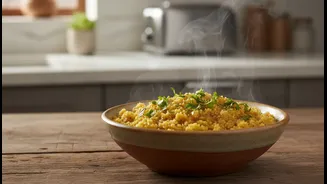
Embracing ghee's return is simple and delicious. Beyond its traditional use for tempering dals or spreading on rotis, its versatility shines in modern cooking. Use it to sauté vegetables, where its high heat stability excels. Try it for roasting potatoes or cauliflower to achieve perfectly crisp edges and a rich, nutty flavour. You can even replace butter with ghee in baking for a slightly different, richer taste in cookies and cakes. A small spoonful stirred into hot rice, porridge, or soup can elevate a simple dish into something deeply satisfying. When buying, look for ghee made from the milk of grass-fed cows, often referred to as A2 ghee, which many believe offers a superior nutritional profile.