



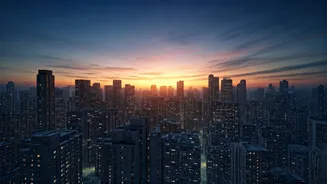



The City's Giant Heat Sponge
The core of the issue is known as the Urban Heat Island (UHI) effect, where metropolitan areas are significantly warmer than surrounding rural areas. During the day, our cities act like enormous sponges for solar radiation. Materials like concrete, asphalt,
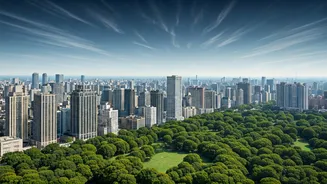
and dark roofing absorb a huge amount of the sun's energy—up to 95% in the case of asphalt. Natural landscapes with soil and vegetation reflect more sunlight and use a process called evapotranspiration to cool the air, much like how sweating cools our bodies. Cities have largely replaced these natural cooling systems with heat-retaining man-made surfaces.
Why the Heat Lingers After Dark
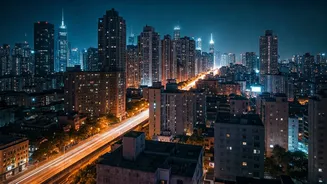
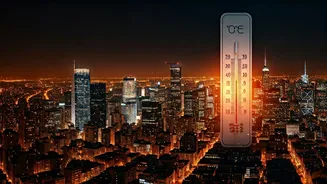
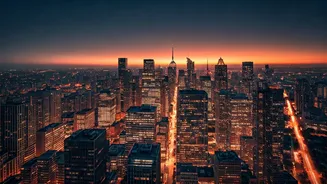
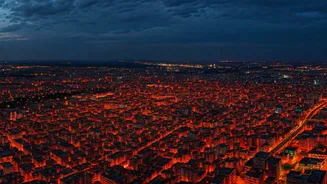
This is where concrete's properties become a major problem. All the heat absorbed by buildings and roads during the day doesn't just disappear at sunset. Concrete has a high thermal mass, meaning it's excellent at storing heat and releasing it slowly. As night falls and the air temperature drops, these concrete structures begin to radiate the stored thermal energy back into the environment. This slow release of heat prevents the city from cooling down effectively, leading to elevated nighttime temperatures that can be several degrees higher than in the countryside. This lack of overnight cooling is particularly damaging to human health, as it denies our bodies the chance to recover from daytime heat stress.
More Than Just Concrete
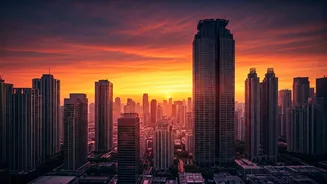
While concrete is a primary factor, it’s part of a larger ecosystem of heat-trapping elements. The dense arrangement of tall buildings creates "urban canyons" that block wind, preventing heat from dissipating. Furthermore, waste heat generated by human activities—from vehicle engines and exhaust to the millions of air conditioning units working overtime—pumps even more warmth into the urban atmosphere. The decline of green spaces like parks and the disappearance of water bodies, both of which have natural cooling effects, further compound the problem in rapidly expanding Indian cities like Delhi, Mumbai, and Chennai.
The Human and Economic Cost
The consequences of these simmering city nights are severe. The UHI effect is linked to increased heat-related illnesses such as heat exhaustion and heatstroke, putting vulnerable populations like the elderly, children, and outdoor workers at greater risk. It also worsens air quality, as higher temperatures can accelerate the formation of harmful pollutants. Economically, the impact is felt through soaring energy consumption as residents and businesses run air conditioners for longer, placing immense strain on power grids and leading to higher electricity bills. For low-income households without access to adequate cooling, the heat can make homes dangerously hot, with indoor temperatures sometimes exceeding those outside.
Paving the Way for Cooler Cities
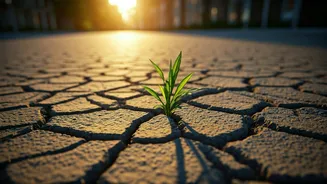
Fortunately, this concrete fever is not untreatable. Cities around India are beginning to explore solutions. Implementing "cool roofs" with reflective paint can bounce sunlight back instead of absorbing it, reducing indoor temperatures significantly. Increasing urban greenery by planting more trees, creating parks, and even installing green roofs and walls helps provide shade and cools the air through evapotranspiration. Smart urban planning that promotes better airflow, preserves water bodies, and uses more reflective construction materials can also play a crucial role. Initiatives like Telangana's cool roof policy and Delhi's efforts to add green corridors are steps in the right direction.