





The Foundation of Flawless
Long-lasting makeup begins long before you pick up a foundation brush. The secret to a base that doesn't cake, slide, or disappear lies in proper skin preparation. A smooth, hydrated canvas allows makeup to adhere properly and blend seamlessly. Start
by cleansing your face to remove any dirt, oil, or leftover products from the day before. Following that, gentle exfoliation is key. Using a chemical exfoliant with ingredients like glycolic or lactic acid, or a soft facial cloth, will slough away dead skin cells that can cause makeup to look patchy. The final prep step is hydration. Apply a lightweight moisturizer suited to your skin type. Even oily skin needs moisture; a dehydrated state can trigger even more oil production, which breaks down makeup faster. Allow your moisturizer to fully absorb for a few minutes before moving on.
Prime for Perfection
Primer is the essential bridge between your skincare and your makeup. Its main purpose is to create a smooth, even surface and give your foundation something to grip onto, significantly extending its wear time. Choosing the right primer is crucial and depends on your skin's needs. If you have oily skin or visible pores, a mattifying or pore-blurring primer applied to the T-zone can control shine and prevent makeup from breaking apart. For those with dry skin, a hydrating primer will prevent foundation from clinging to dry patches and create a plumper, more radiant base. Regardless of the type, apply a pea-sized amount and let it set for a full minute to create a tacky, receptive base for the next step.
The Art of Layering
When it comes to application, the mantra is 'less is more'. Instead of applying one thick coat of foundation, build your coverage in thin, strategic layers. This technique prevents the heavy, cakey look and helps the product adhere better to your skin for longer wear. Whether you use a damp makeup sponge, a foundation brush, or your fingertips, press or stipple the product into the skin rather than rubbing it. A gentle tapping motion ensures an even, seamless blend that becomes one with your skin. Apply your foundation, then your concealer where needed, and give each layer a moment to set. This prevents products from mixing and slipping, creating a more durable finish that looks surprisingly natural.
Set It and Forget It
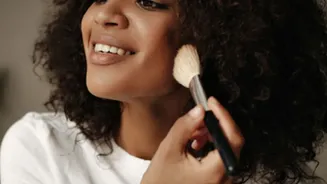
Setting your makeup is the crucial final step to lock everything in place. This is typically a two-part process involving both powder and spray. First, apply a translucent setting powder. Its primary job is to absorb excess oil and 'set' the liquid and cream products you've applied, preventing them from creasing or moving. Lightly dust it over your entire face with a fluffy brush, paying extra attention to areas that tend to get oily or where makeup creases, like under the eyes and around the nose. Once powdered, a setting spray is the final seal. These liquid mists create a film that locks in your look, melds all the layers together for a less 'powdery' finish, and adds another layer of protection against fading and smudging. For maximum staying power, the combination of powder to absorb oil and spray to lock it all down is unmatched.
A Smart Touch-Up Strategy
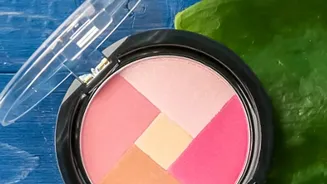
Even the most bulletproof makeup may need a small refresh during a marathon day. The key is to touch up strategically, not to reapply everything. The most important item in your clutch should be oil-blotting papers. These sheets lift away excess shine without disturbing the makeup underneath, which is far better than adding more powder on top of oily skin. If you do need to reduce shine further, a pressed powder is less messy for on-the-go use than loose powder. After blotting, you can gently press a small amount of powder onto shiny areas. A good concealer can also act as a 'magic eraser' for any smudges or fading around the eyes or mouth. This minimal approach ensures your makeup looks fresh, not caked-on, from start to finish.