


The Dawn of a Counter-Trend
While urban India has long embraced convenient breakfast options like oats and smoothies, a growing number of people are looking back to their roots for morning nourishment. This isn't about rejecting modernity, but rather rediscovering the wisdom in tradition.
The headline-grabbing smoothie, often packed with exotic fruits, protein powders, and sweeteners, is facing competition from a simple dish made of leftover rice. Known as Pazhanthanji or Pazhamkanji in the South, and with regional variations across the country, this fermented rice gruel is moving from a symbol of agrarian life to a feature in the kitchens of the health-conscious. The trend signals a fatigue with complex wellness fads and a renewed appreciation for natural, sustainable foods that have been part of Indian food culture for generations.
What Exactly Is Pazhanthanji?
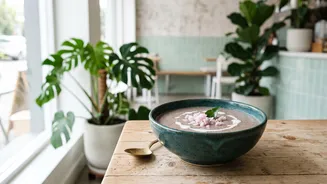
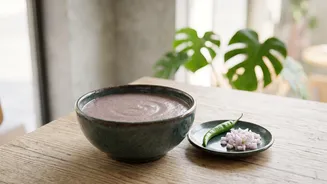
At its core, Pazhanthanji is the epitome of simplicity and zero-waste cooking. It is made by soaking leftover cooked rice in water and leaving it to ferment overnight, typically in an earthen pot. The next morning, the slightly sour, fermented rice is mashed and traditionally mixed with shallots, green chillies, salt, and often curd or buttermilk. While once considered a 'poor man's food' that gave farmers sustained energy for a day of hard labour, it is now being recognised for what it always was: a nutritional powerhouse created through a natural process. This ancient practice turns a simple staple into a food teeming with benefits, long before 'probiotics' became a buzzword.
A Natural Probiotic Powerhouse
The magic of Pazhanthanji lies in its fermentation. This overnight process allows beneficial lactic acid bacteria, like Lactobacillus, to multiply, turning the gruel into a natural probiotic. These microorganisms are crucial for maintaining a healthy gut microbiome, which aids digestion, reduces issues like bloating, and supports the immune system. Furthermore, fermentation makes the nutrients in rice more bioavailable. Studies and nutritional analyses have shown that this process can significantly increase the levels of minerals like iron, potassium, and calcium. It's also a source of B-complex vitamins, including B6 and B12, which are vital for energy metabolism.
The Smoothie Showdown: Old vs. New
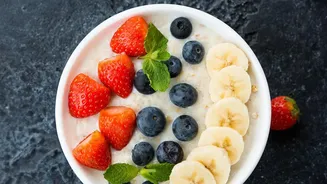
How does this ancient dish stack up against a modern smoothie? While a well-made smoothie can be nutritious, it often relies on high-sugar fruits, and store-bought versions can contain hidden sweeteners and preservatives. Smoothies retain fibre, which is a plus, but their nutritional value depends entirely on added ingredients, which can be expensive. Pazhanthanji, on the other hand, is inherently low-cost and gut-friendly. It provides slow-release carbohydrates for sustained energy without the sugar crash associated with some fruit-heavy drinks. It is also a natural coolant, making it perfect for India's warm climate, helping to regulate body heat and prevent fatigue.
More Than a Meal: A Cultural Reclamation
The resurgence of Pazhanthanji is about more than just its health benefits. It represents a deeper cultural shift. For many, preparing and eating this dish is a way to connect with their heritage and the food wisdom of their grandparents. It’s an act of embracing simplicity in a world of complicated diet plans and an appreciation for sustainable food practices that utilise leftovers and require no special equipment. As fitness enthusiasts and wellness advocates start incorporating it into their routines, Pazhanthanji is proving that the most effective superfoods may not come from expensive packages, but from the time-tested traditions of our own kitchens.