





Beyond the Basic Chatbot
When we hear 'AI assistant', we often think of chatbots that can answer factual questions. But in education, the new wave of 'smart assistants' is far more sophisticated. These are not just answer-providers; they are learning companions. Embedded in educational
apps and platforms, these AI systems are designed to function like a personal tutor. Their primary job isn't to give students the answers, but to understand how they are learning. They observe a student's performance on practice questions, quizzes, and assignments to build a dynamic profile of their strengths and weaknesses on a particular topic.
How Realtime Tailoring Works
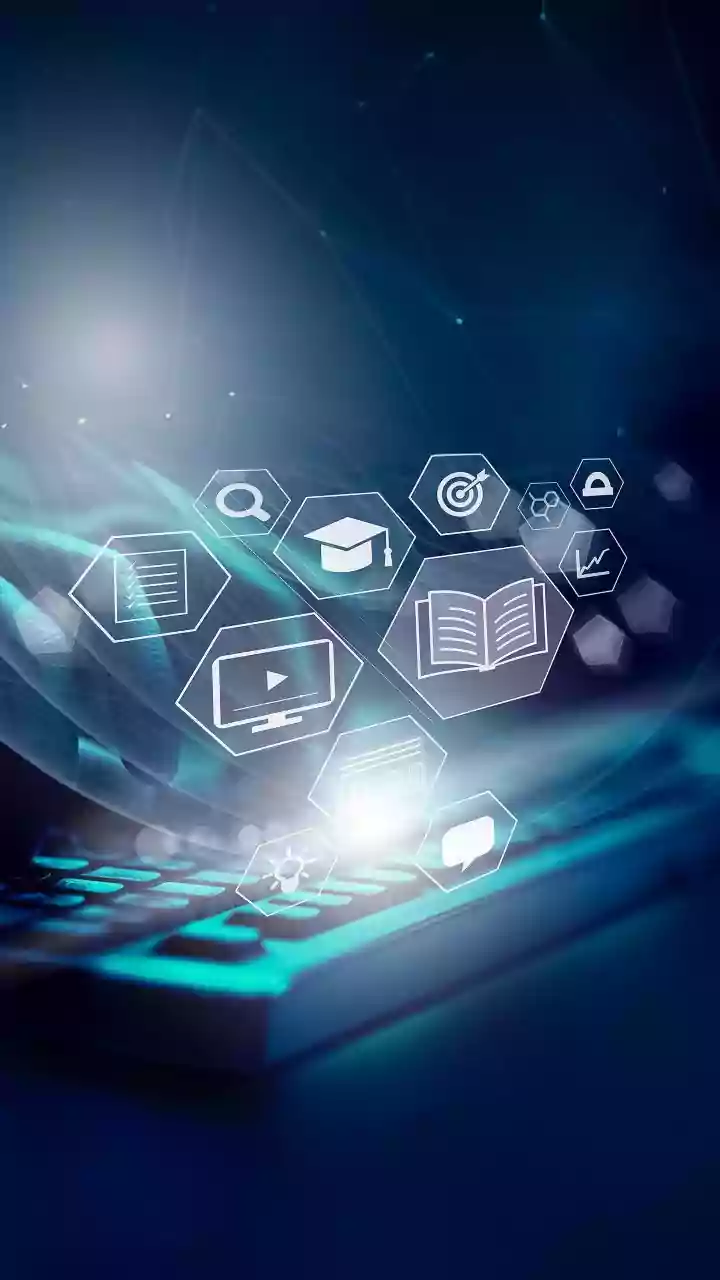
The magic is in a process called adaptive learning. Think of it like a personal trainer who adjusts your workout based on your performance. If you lift a weight easily, they increase it. If you struggle, they reduce it or change the exercise. Similarly, an AI learning assistant uses algorithms to assess a student's responses in real-time. If a student answers several questions on algebraic fractions correctly and quickly, the AI will serve up a more challenging problem, perhaps a word problem involving the same concept. Conversely, if a student consistently makes the same error, the AI can identify that specific knowledge gap. It might then offer a simpler, foundational question, or even provide a hint or a link to a short explanatory video, guiding the student back to the core concept they misunderstood. This continuous loop of assessment and adjustment ensures the student is always in their optimal learning zone—challenged but not overwhelmed.
The Promise of True Personalisation
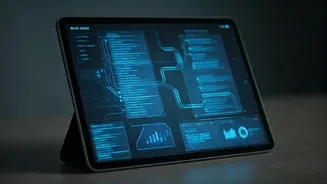
The benefits of this approach are significant. For students, it can transform homework from a chore into a more engaging, game-like experience. It helps build confidence by ensuring that the challenges are achievable, preventing the frustration that leads many to give up. By instantly identifying and addressing weak spots, it promotes a deeper, more robust understanding of subjects. For teachers, the potential is revolutionary. Instead of spending hours grading uniform assignments, educators can receive detailed analytics from the AI. A dashboard might show that 70% of the class is struggling with a specific concept, allowing the teacher to re-address it in the next lesson. It frees them from repetitive grading and empowers them to focus on high-impact intervention and mentoring.
The Indian Education Context
In India, where classroom sizes are often large and student-teacher ratios are stretched, this technology holds immense promise. It aligns perfectly with the goals of the National Education Policy (NEP) 2020, which emphasizes flexible, personalized learning. For students preparing for high-stakes competitive exams like JEE or NEET, or even board exams, an adaptive AI tutor can provide the kind of targeted practice that was once only available through expensive private coaching. Leading Indian ed-tech platforms are already integrating these features, offering a scalable way to deliver personalised instruction to millions of students simultaneously.
Important Questions to Ask
Despite the excitement, the rise of AI tutors is not without its challenges. The most significant is the digital divide. Access to the necessary devices and reliable internet connectivity is not universal, creating a risk that this technology could widen existing inequalities between urban and rural students. There are also valid concerns about data privacy and how student learning data is collected, stored, and used. Furthermore, we must be wary of algorithmic bias. If an AI is trained on a limited or biased dataset, it might inadvertently penalise certain learning styles or even demographic groups. Finally, there's the pedagogical question: can an algorithm truly replace the empathy, intuition, and motivational guidance of a human teacher? Most experts agree that the goal should not be replacement, but augmentation.