



Beyond the Daily Defaults
For many Indian households, the choice of staple is almost automatic. It's rice for the south and east, and wheat-based flatbreads for the north and west. This culinary rhythm is comforting and traditional, but it barely scratches the surface of India's
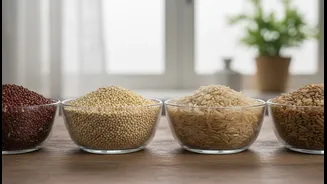
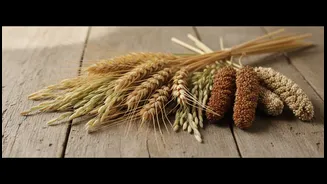
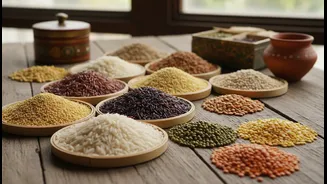
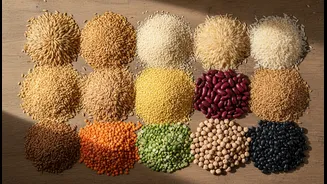
diverse grain basket. Before rice and wheat came to dominate our fields and plates, a vast variety of millets were a cornerstone of the Indian diet. Jowar (sorghum), bajra (pearl millet), and ragi (finger millet) were staples in regions like Maharashtra, Rajasthan, and Karnataka. Thinking beyond the daily default of polished rice or whole wheat atta isn't about abandoning tradition; it's about reclaiming a richer one. A smart pantry recognizes that different meals call for different partners.
The Art of the Perfect Pairing
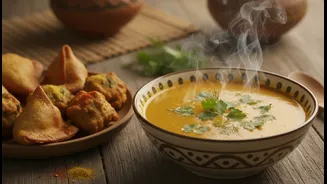
The magic happens when the staple is chosen with the main dish in mind. A light, fluffy basmati rice is perfect for soaking up a rich and creamy dal makhani or a flavourful biryani. However, a rustic and hearty bajra roti, with its earthy flavour, stands up beautifully to a sharp garlic chutney or a robust winter green curry like sarson da saag. Lighter dals, like a simple tadka dal, pair wonderfully with soft, everyday chapatis. Meanwhile, a tangy South Indian sambar or a spicy fish curry almost demands to be eaten with steamed rice to balance the flavours. The grain shouldn't just be a carrier for the curry; it should be its partner, enhancing textures and balancing flavours. A heavy staple with a heavy curry can feel overwhelming, while a light grain might get lost with a delicate dish.
The Resurgence of Millets
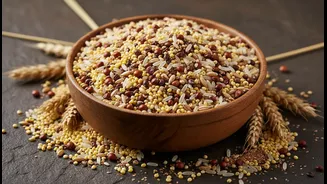
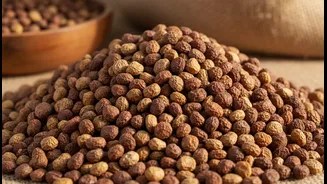
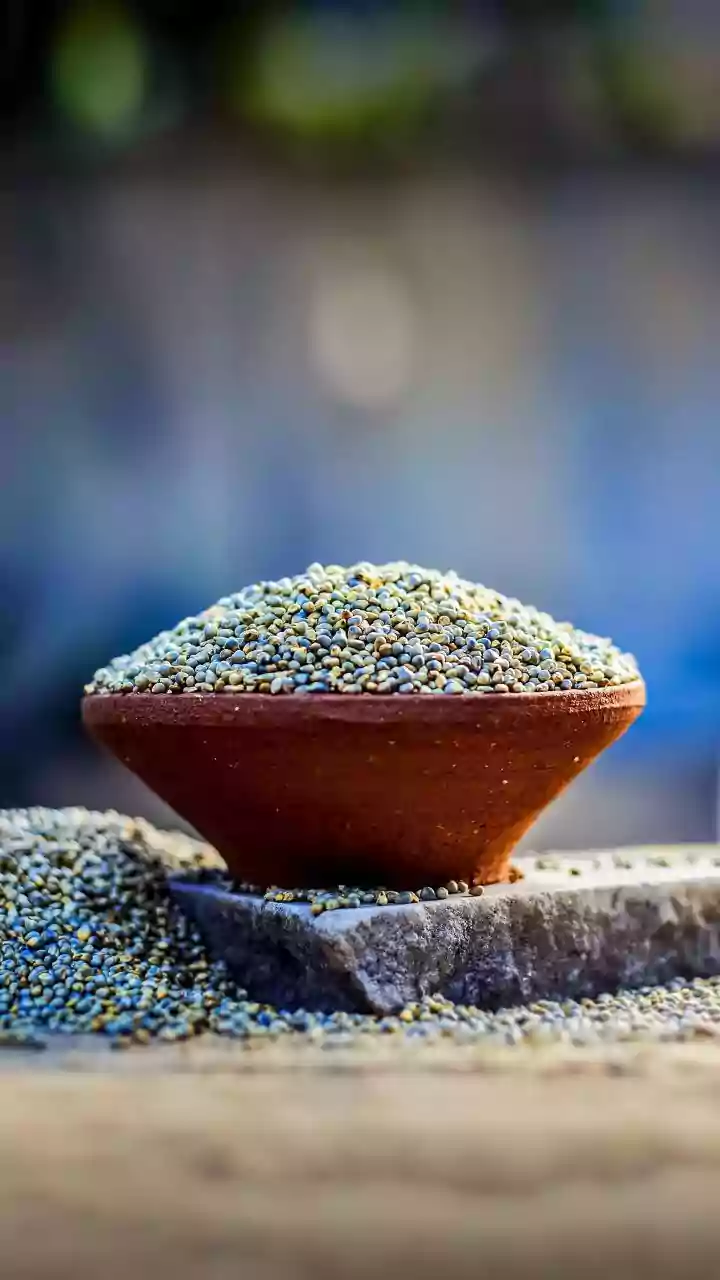
Once seen as "food for the poor," millets are making a powerful comeback in modern Indian kitchens, celebrated for their nutritional benefits and climate resilience. These ancient grains are packed with fibre, protein, and essential minerals. Jowar, with its mild, neutral taste, makes incredibly soft rotis and can be used in upma or pancakes. Bajra is a warming, hearty grain ideal for winter bhakris or khichdi. Ragi, known for its high calcium content, has a gentle sweetness perfect for porridge, dosas, and even healthy laddoos. Incorporating these into your diet doesn't require a complete overhaul. You can start by blending millet flour into your regular atta or trying a millet-based khichdi once a week. Their versatility makes them an easy and nutritious way to add variety to your meals.
Don't Forget Dals and Legumes
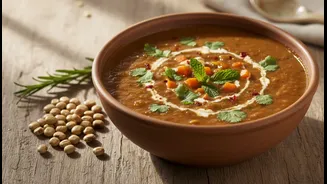
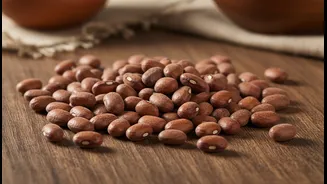
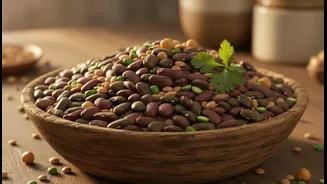
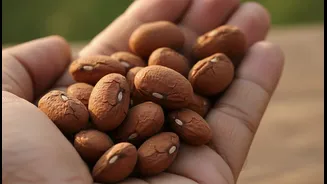
In a country with a large vegetarian population, dals and legumes often play a role far beyond that of a simple side dish. They are a primary source of protein and can form the substantial core of a meal. A hearty bowl of rajma or chana masala, paired with simple steamed rice or a plain paratha, is a complete and satisfying meal in itself. Lentils are not just nutritious; they are incredibly versatile, forming the base of countless dishes from comforting dal tadka to tangy sambar. Thinking of dal as a staple—the central element that the rest of the meal is built around—opens up new ways of planning your meals, ensuring they are both balanced and delicious.
Cook What Gets Eaten
Ultimately, the headline's wisdom lies in its simple, practical conclusion: the best staple is the one that gets eaten. There is no point in making healthy ragi rotis if your family won't touch them, or serving brown rice with a curry that your kids only enjoy with white rice. The goal is a meal that is enjoyed and finished, minimizing waste and maximizing satisfaction. This might mean rotating your grains through the week, finding creative ways to introduce new ones—like a mixed-flour thalipeeth or a jowar wrap—or simply paying closer attention to which combinations your family loves most. A well-managed kitchen is not about rigid rules but about adaptability and the joy of a shared meal. By expanding our definition of a staple, we can make every meal more interesting, nutritious, and perfectly suited to the occasion.