



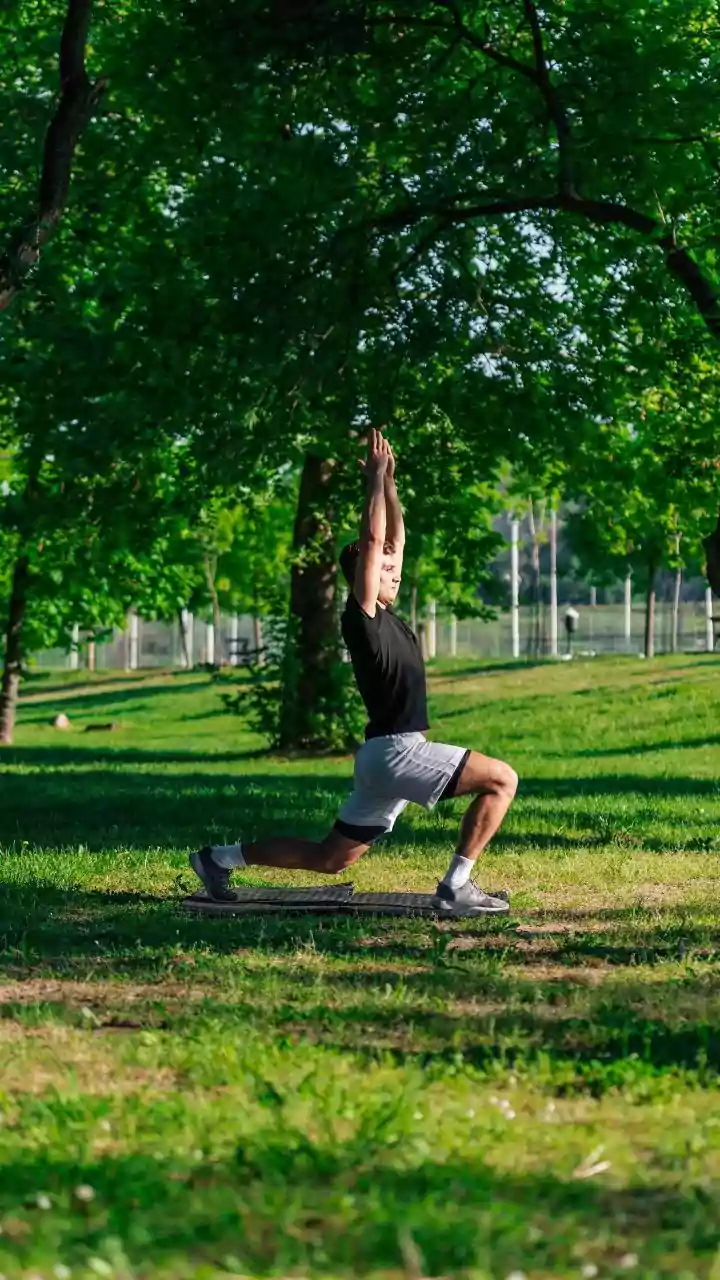




The Ageing Muscle Dilemma
As the years pass, our muscles naturally begin a slow decline in both mass and strength, a process known as sarcopenia. This isn't just a cosmetic issue; it's linked to frailty, a higher risk of falls, and a loss of independence. For decades, we've known that
staying active helps, but now science is revealing exactly why at a level that was previously invisible. It turns out that the true battle against muscle ageing isn't fought in the mirror, but deep inside our cells, at the molecular level. The molecular age of your muscle can be very different from your chronological age, and exercise is the most powerful tool you have to influence it.
A Powerhouse Makeover
Every cell in your body, including muscle, is powered by tiny engines called mitochondria. With age, these powerhouses become less efficient and fewer in number, contributing to fatigue and reduced muscle function. Think of it as an old car engine that sputters and consumes too much fuel. Exercise, particularly endurance training, acts like a master mechanic. It stimulates a process called mitochondrial biogenesis, which is essentially the creation of new, more efficient mitochondria. This cellular upgrade means your muscles have more energy to perform, repair, and resist age-related decline. Studies show that regular physical activity can boost mitochondrial content and function in older adults, bringing their cellular energy production closer to that of younger individuals.
Taming the Fire of 'Inflammaging'
One of the key drivers of ageing throughout the body is a state of chronic, low-grade inflammation, often dubbed 'inflammaging'. This persistent inflammation contributes to a wide range of age-related diseases and accelerates muscle breakdown. While a single, intense workout can cause temporary inflammation (the good kind that signals repair), regular exercise has a powerful long-term anti-inflammatory effect. Physical activity helps reduce levels of pro-inflammatory markers in the body and can even mobilize special immune cells, called T cells, that help counter inflammation in muscle tissue. By keeping this chronic fire in check, exercise protects muscle from one of the most pervasive and damaging aspects of the ageing process.
Rewriting the Genetic Story
Perhaps the most fascinating discovery is how exercise can influence the expression of our genes. You can't change your DNA, but you can change which genes are switched on or off. This is the field of epigenetics. Ageing can cause negative patterns in gene expression, but exercise can help reverse them. For instance, recent research has identified a gene called DEAF1, whose levels increase in ageing muscle, disrupting the balance between building new proteins and clearing out damaged ones. Exercise has been shown to lower DEAF1 levels, effectively telling the muscle to 'clean up and reset,' restoring a more youthful protein balance and improving strength. The cumulative effect of these changes from repeated workouts can fundamentally alter your muscles' long-term health trajectory.
What Kind of Exercise is Best?
So, what should you do? The research points to a combination approach. Resistance training (like lifting weights or bodyweight exercises) is crucial for building and maintaining muscle mass and strength, directly combating sarcopenia. It's the primary way to increase the size and force-generating capacity of your muscle fibers. Aerobic exercise (like brisk walking, cycling, or swimming) is the champion for improving mitochondrial health and reducing systemic inflammation. High-Intensity Interval Training (HIIT) can also effectively boost mitochondrial content, sometimes even more than traditional endurance training. The most important factor isn't the specific modality, but consistency. The molecular benefits of exercise are the result of the cumulative effects of each session.