





An Invitation to the Moon
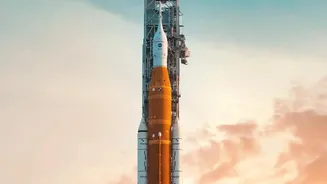
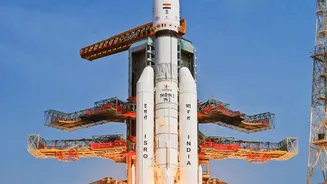
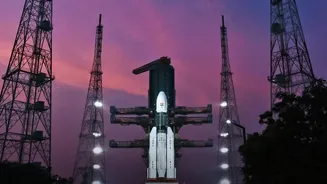
During an early August meeting at the Indian Space Research Organisation's (ISRO) headquarters, U.S. officials formally invited India to participate in the Artemis Moon Base program. This isn't just another routine collaboration; it's a bid to bring India into
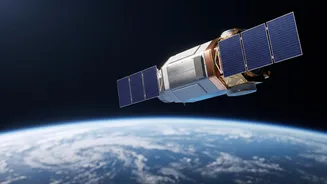
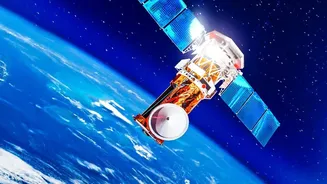
the core of NASA's ambitious plan to create a sustained human presence on the lunar surface. The invitation was extended during the ninth session of the India-U.S. Civil Space Joint Working Group, a long-standing body for bilateral cooperation. While the exact details of India's potential contribution are still under discussion, the proposal moves the relationship far beyond previous joint projects, such as the successful NASA-ISRO Synthetic Aperture Radar (NISAR) satellite mission launched in 2025. Instead of just sharing data from orbit, the two nations are now discussing how to work together on the ground, on another world.
Why India is a Key Lunar Partner
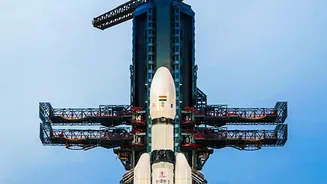
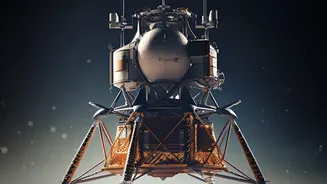
NASA's choice of India is no coincidence. In August 2023, India's Chandrayaan-3 mission made history with a successful soft landing near the Moon's south pole, a feat no other nation had accomplished. This demonstrated not only ISRO's technical prowess but also its experience in the very region NASA is targeting for its lunar base. The south pole is highly coveted for its permanently shadowed craters, which are believed to hold vast reserves of water ice—a critical resource for generating drinking water, breathable air, and rocket fuel. Beyond its proven lunar capabilities, India brings a reputation for cost-effective engineering and an ambitious long-term vision, which includes landing its own astronauts on the Moon by 2040 and developing its own lunar missions. By inviting ISRO to the table, NASA is tapping into a partner with demonstrated skill, regional expertise, and parallel ambitions.
The Geopolitical Game in the Heavens
This deepening partnership is about more than just science and exploration; it's a strategic alignment with significant geopolitical overtones. The backdrop to this cooperation is a growing competition in space, primarily between a U.S.-led coalition and the emerging China-Russia axis. While the U.S. builds its alliances through the Artemis Accords—a set of principles for peaceful lunar exploration which India signed in 2023—China and Russia are developing their own rival project, the International Lunar Research Station (ILRS). Bringing India, a major spacefaring nation, more deeply into the Artemis fold strengthens the U.S.-led effort to establish international norms and standards for the next era of space activity. It positions India as a key anchor for the U.S. in the Indo-Pacific's space domain and creates a powerful democratic counterweight to the ambitions of its rivals.
What Comes Next for the Partnership
With the invitation extended, the next steps will involve defining India's specific role. The NASA Moon Base is a multi-decade project envisioned in phases, starting with robotic missions to scout locations and test technologies before moving on to deploying power systems, habitats, and logistics infrastructure from 2029 onward. India could contribute in various ways, from developing rovers and scientific instruments—leveraging its Chandrayaan experience—to contributing to the base's communication or life-support systems. This collaboration is a key part of the broader U.S.-India strategic relationship, which includes initiatives focused on high-technology trade and cooperation. For the U.S., it diversifies the immense cost and technical challenges of returning to the moon. For India, it offers an accelerated path to technological maturity and a prominent seat at the table shaping the future of off-world exploration.