






Choose Your Destination Wisely
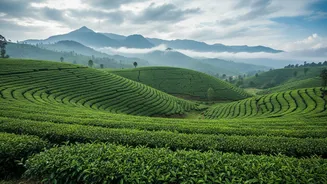
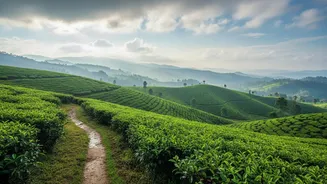
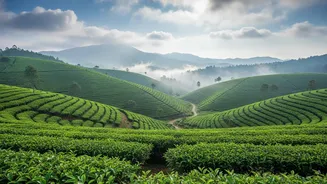
The first step to a successful monsoon trip is picking the right spot. While the rains turn many places into verdant paradises, they can also increase risks of landslides in hilly regions and flooding in low-lying coastal areas. Consider destinations
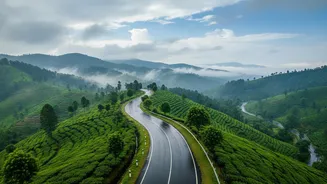
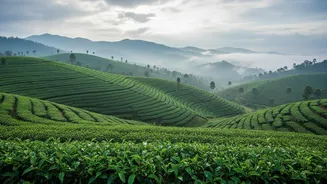
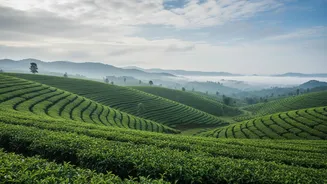
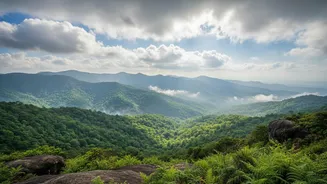
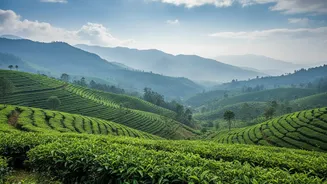
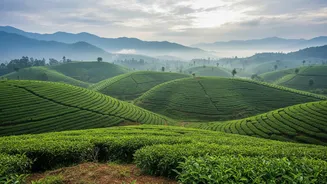
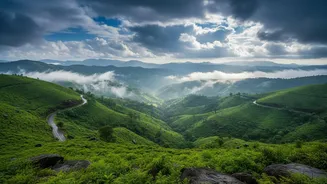
in regions that receive less intense rainfall. For instance, parts of Rajasthan like Udaipur and Mount Abu come alive with greenery and refreshed lakes, offering a unique charm without the heavy downpours of other regions. Hill stations such as Coorg, Munnar, and Lonavala are popular monsoon getaways, known for their misty beauty and roaring waterfalls. However, always check local weather advisories and road conditions before you book and right before you leave. Opting for a destination closer to home can also reduce travel time and potential disruptions.
Pack for Rain and Humidity
Your packing list needs a monsoon-specific upgrade. Cotton and denim are poor choices as they absorb water and take ages to dry. Instead, opt for lightweight, quick-drying synthetic fabrics. A reliable waterproof jacket or poncho is non-negotiable, often proving more practical than an umbrella in windy conditions. For footwear, choose waterproof sandals or boots with a strong grip to navigate slippery surfaces. It's also wise to carry an extra pair of shoes and several pairs of quick-dry socks. Protect your electronics—phone, camera, and chargers—using waterproof pouches or ziplock bags. A power bank is another essential, as power cuts can be common in remote or rain-affected areas.
Navigate Roads with Extra Caution
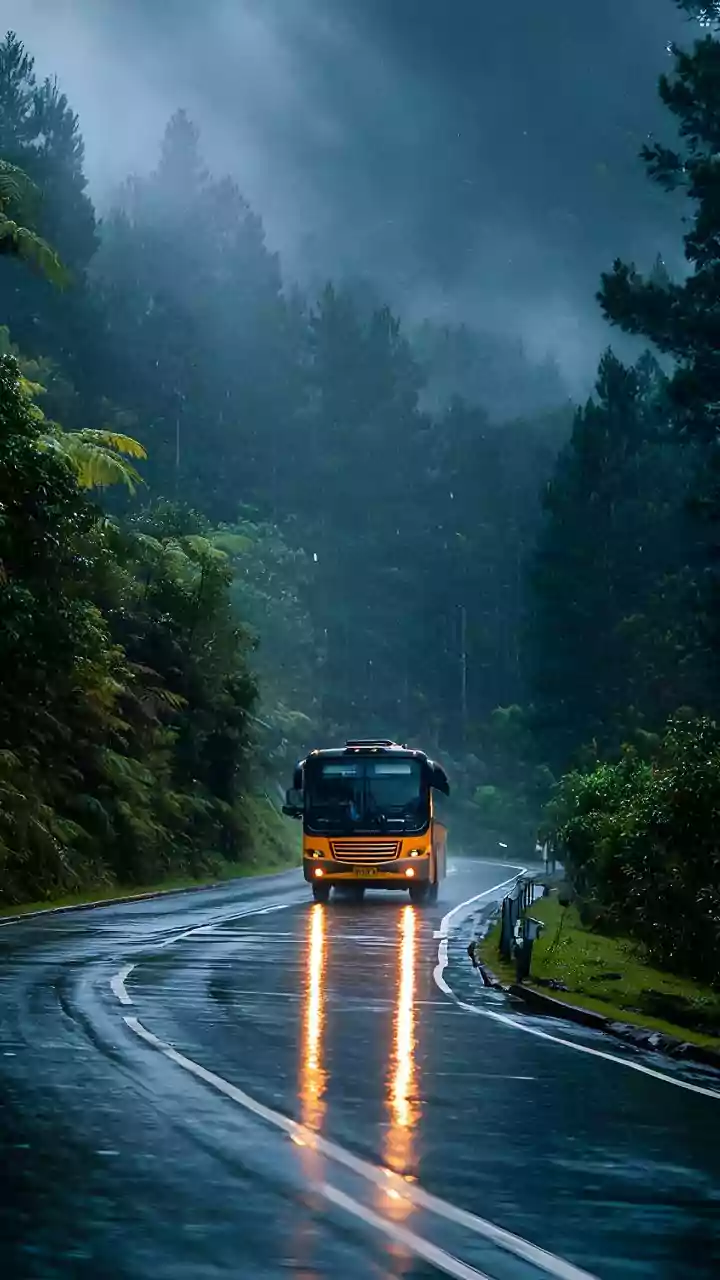
Driving during the monsoon requires heightened awareness and preparation. Before you start, ensure your car's vitals are in top condition: check your tyre tread, brakes, and windscreen wipers. Worn-out tyres are a major hazard on wet roads, increasing the risk of skidding. On the road, reduce your speed to give yourself more time to react to hazards like potholes hidden under murky water. Maintain a safe distance from the vehicle ahead, as braking distances increase significantly on wet surfaces. Use your low-beam headlights even during the day for better visibility, but avoid using hazard lights while moving as it can confuse other drivers. If you encounter a heavily waterlogged road, do not attempt to drive through it; it's always safer to find an alternative route.
Prioritise Health and Hygiene
The risk of water-borne diseases increases during the monsoon. To stay healthy, be cautious about what you eat and drink. Avoid street food, especially items that have been left in the open, and steer clear of raw salads or pre-cut fruits. Stick to freshly prepared, hot meals from hygienic eateries. It's safest to drink bottled or filtered water. Carry a hand sanitiser and use it frequently. Mosquitoes are also more prevalent during this season, so pack and use an effective insect repellent to protect yourself from bites and vector-borne illnesses. A basic first-aid kit with antiseptic wipes, bandages, and any personal medications is always a good idea to have on hand.
Embrace a Flexible Itinerary
The most important monsoon travel tip is to remain flexible. Delays are common, whether due to waterlogged roads, flight schedule changes, or cancelled trains. Build buffer time into your schedule, especially for connecting journeys. Don't pack your days with back-to-back activities. Instead, have a primary plan and a backup option. If an outdoor trek gets rained out, you could explore a local museum, relax at a charming café, or simply enjoy the rain from your hotel balcony. The key is to work with the weather, not against it. A successful monsoon trip isn't about avoiding the rain entirely; it's about being prepared enough to enjoy the unique beauty and tranquility that the season offers.