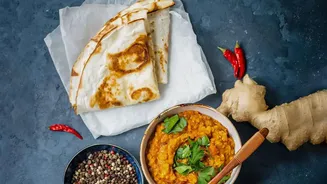



1. Swap White Rice for Millets
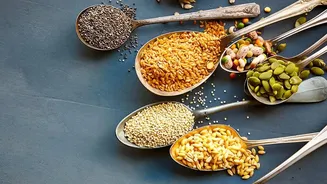
Once a staple, polished white rice is now often being substituted with ancient grains like jowar, bajra, and ragi. Following the push from initiatives like the International Year of Millets, these super-grains are making a major comeback. They are packed
with fibre, are naturally gluten-free, and help keep blood sugar levels stable. While studies show that overall millet consumption has declined over the decades, there's a renewed interest, especially in urban areas and among health-conscious consumers. This swap isn't just about health; it's about embracing climate-resilient crops that are deeply rooted in Indian agriculture. Start by making a bajra khichdi or a ragi dosa to ease into this nutritious change.
2. Swap Refined Sugar for Jaggery or Date Syrup
Many are moving away from refined white sugar, which offers empty calories, towards traditional, unrefined sweeteners. Jaggery (gur), made from concentrated sugarcane juice, retains minerals like iron and magnesium and is gentler on blood sugar levels. Similarly, date syrup or paste offers sweetness along with fibre. These alternatives align with the move towards cleaner eating, providing flavour and nutrients without the downsides of processed sugar. They are versatile enough for everything from your daily chai to festival sweets.
3. Swap Imported Oils for Cold-Pressed Local Oils
The era of relying solely on imported olive oil is fading. In its place is a return to traditional Indian cold-pressed oils like mustard, sesame, and groundnut. Known as 'kachi ghani', the cold-pressing technique preserves the natural nutrients, flavour, and antioxidants that are often lost during the refining process. While refined oils have a higher smoke point suitable for deep-frying, cold-pressed oils are excellent for most Indian cooking methods and are considered a healthier choice for everyday meals. This shift supports local farmers and celebrates the distinct flavours of regional cuisines.
4. Swap Dairy Milk for Plant-Based Alternatives
The plant-based food market in India is booming, with dairy alternatives leading the way. The market for plant-based milk was valued at over USD 850 million in 2025 and is projected to grow significantly. This growth is driven by rising health awareness, a high prevalence of lactose intolerance, and ethical considerations. Milks made from oats, almonds, and soy are no longer niche products. They're becoming mainstream, especially in urban centres and cafes, offering a creamy alternative for everything from coffee to curries.
5. Swap Maida for Whole Wheat or Multigrain Atta
For generations, refined wheat flour (maida) has been a staple in everything from naan to pastries. However, the pivot towards health has put whole wheat (atta) and multigrain flours back in the spotlight. This swap is a simple yet effective way to increase your intake of dietary fibre, which is crucial for good digestion and sustained energy. Sprouted grain and whole grain breads are also becoming popular choices over standard white bread. Brands are responding by offering a wider variety of whole-grain products, making this switch easier than ever.
6. Swap Paneer for Tofu or Other Plant Proteins
While paneer remains a beloved staple, the growing demand for plant-based proteins has introduced alternatives like tofu and soya chunks into many kitchens. Soy, in particular, is a significant ingredient in India's plant-based market due to its high protein content and versatility. The market for plant-based meat alternatives is also expanding rapidly, projected to grow at a compound annual growth rate of over 22% between 2026 and 2034. This trend provides more choices for vegetarians, vegans, and flexitarians looking to diversify their protein sources.
7. Swap Fried Namkeen for Roasted Makhana
The Indian snack market is undergoing a healthy transformation. Fried snacks and potato chips are being replaced by lighter, more nutritious options like roasted makhana (fox nuts). Once considered a food for fasting, makhana is now a mainstream snack valued for its crunch, protein, and fibre. This shift reflects a broader trend where consumers are actively seeking out snacks that are not just tasty but also functional and better for their health.
8. Swap Ketchup for Homemade Chutneys
Store-bought sauces like ketchup are often high in sugar, sodium, and preservatives. The healthier swap is a return to homemade chutneys. Whether it's a simple tomato-garlic chutney or a refreshing mint and coriander version, making your own allows you to control the ingredients and avoid unnecessary additives. This aligns with a growing consumer preference for 'clean labels' and fresh, unprocessed foods. Plus, it adds a more authentic and vibrant flavour to your meals.
9. Swap Quinoa for Amaranth
Quinoa had its moment as a global superfood, but many in India are now turning to a local equivalent: amaranth (rajgira). Like quinoa, amaranth is a high-protein, gluten-free pseudocereal. It’s been part of traditional Indian diets for centuries, often consumed during fasts. Choosing amaranth over imported quinoa is not only more economical but also more sustainable, as it reduces food miles and supports local agriculture. It’s a perfect example of finding modern health solutions in ancient Indian wisdom.
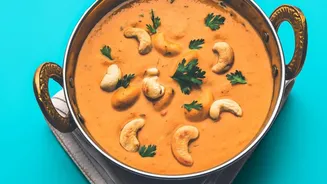
10. Swap Cream-Based Gravies for Tomato or Yogurt Bases
Heavy, cream-laden curries are being reimagined for a lighter, modern palate. Many home cooks and chefs are now opting for yogurt or tomato-based gravies to achieve that rich texture without the excess fat. This approach delivers the same comforting flavours but with fewer calories and less heaviness. It's a simple change that makes classic dishes like butter chicken or palak paneer feel more suitable for everyday, healthy eating without sacrificing taste.