



Why Cooking Times Are Only an Estimate
Think of a recipe's cooking time as a well-informed suggestion rather than a strict command. Food science writer Harold McGee notes that there's no single, simple equation to perfectly predict how long a piece of meat or a pan of vegetables will take
to cook. The time listed—say, “roast for 45 minutes”—is based on the recipe developer's specific kitchen, equipment, and ingredients. But your kitchen is a different environment. A recipe that calls for baking a cake for 30-35 minutes acknowledges this reality. It gives you a window to start checking, empowering you to decide when it's actually ready. This approach accounts for the many variables that can, and do, change the path from raw to perfectly done.
Your Oven Has a Mind of Its Own
Your oven is likely the biggest variable. Most home ovens don't maintain a perfectly constant temperature. Instead, the heating element cycles on and off to maintain an average temperature. This means that if you set it to 200°C, it might fluctuate between 190°C and 210°C throughout the cooking process. These temperature swings are normal but can affect cook times. Furthermore, many ovens have hot spots, areas that are consistently hotter than others. A faulty door seal can also cause heat to leak, leading to longer baking times and uneven results. All these factors mean your oven might run slightly hotter or cooler than the one used to test the recipe, directly impacting how long your food needs.
Ingredients and Cookware Matter
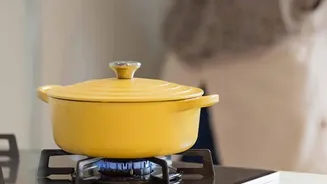
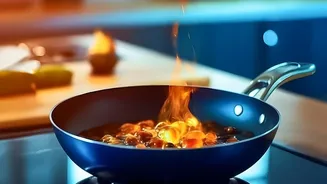
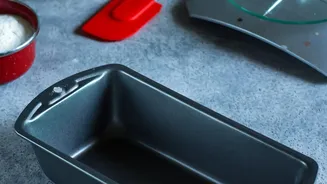
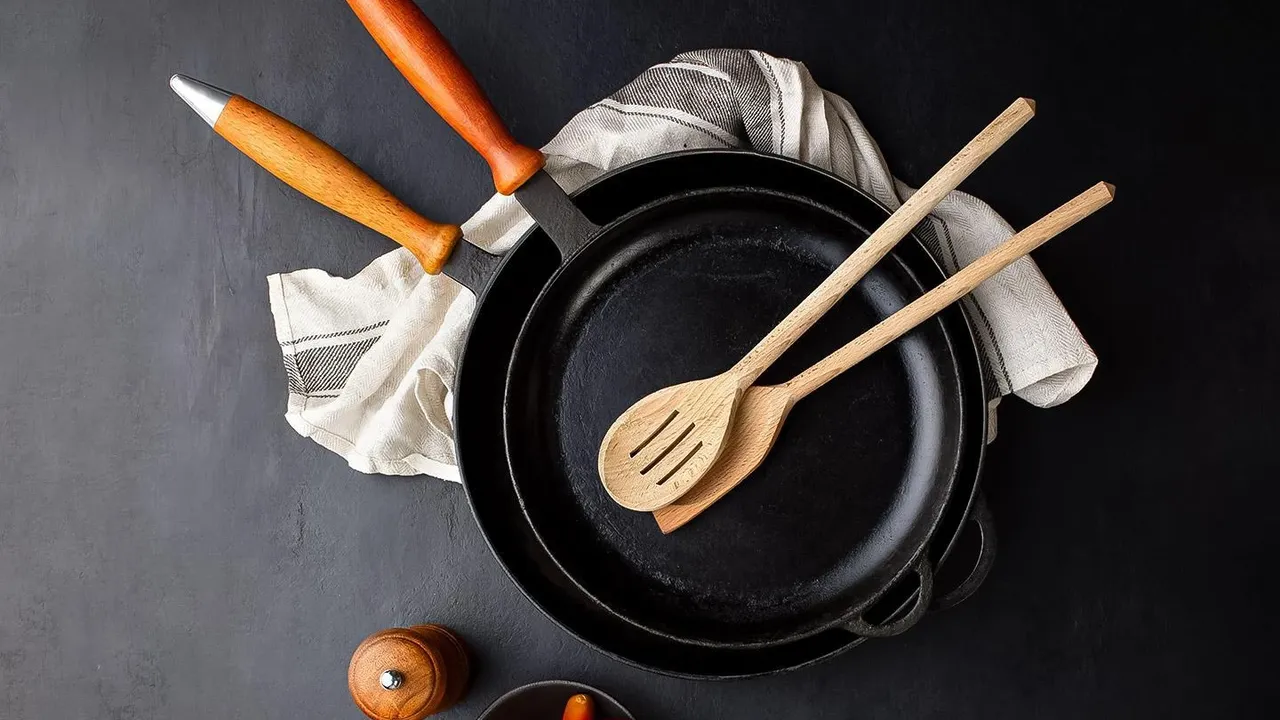
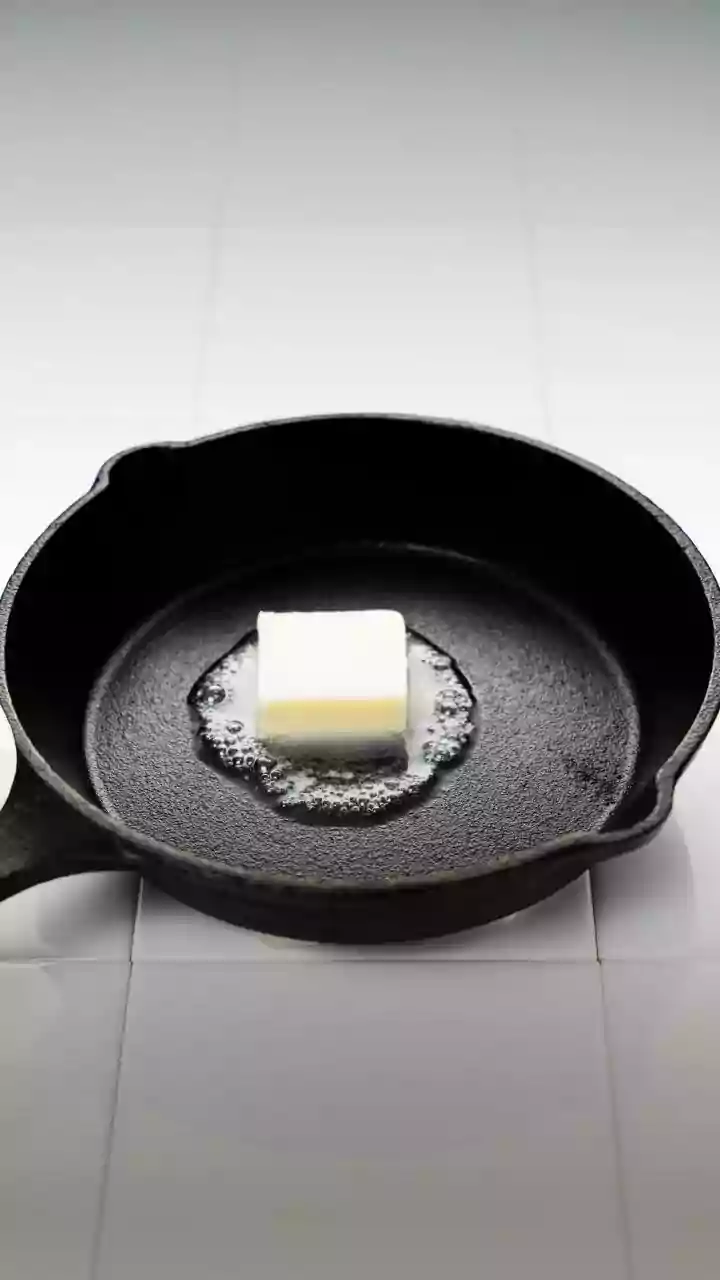
The state of your ingredients plays a huge role. A chicken taken straight from the fridge will take longer to roast than one that has been allowed to sit at room temperature for an hour. The cold mass needs more time and energy to heat through. Similarly, the size and thickness of your food are critical; thickness, more than weight, determines cooking time because it dictates how far the heat has to travel to reach the center. Your cookware is another key factor. Different materials transfer heat at different speeds. An aluminum pan, which has high thermal conductivity, will cook food faster than a glass or ceramic dish. A dark-coloured metal pan absorbs more heat than a light-coloured one, which can lead to faster browning on the bottom of baked goods. A thick, heavy-based pan like cast iron heats slowly but retains that heat exceptionally well, while a thin pan heats up fast but can create hot spots.
From Time-Follower to Food-Reader
So, how do you navigate this? Use the provided time range as your guide. Start checking for doneness at the beginning of the range. For a recipe that suggests 20-25 minutes, set your first timer for 20 minutes. When it goes off, it's not a signal that the food is done, but a reminder to start observing. This is where you transition from simply following the clock to actually cooking. You need to engage your senses—sight, smell, and touch—to determine when the food is ready. These sensory cues are often more reliable than a timer alone. They are the signals the food sends to tell you it has reached the perfect state of doneness.
Learn the Cues for Doneness
Becoming a more confident cook means learning to read the signs. For baked goods like cakes and muffins, look for golden-brown edges that are pulling away from the sides of the pan. A wooden skewer or toothpick inserted into the center should come out clean or with a few moist crumbs attached. For roasted vegetables, you're looking for tender interiors and caramelized, browned edges. For meats, visual cues like the colour of the juices can be helpful, but they aren't always foolproof. The United States Department of Agriculture (USDA) notes that colour can be misleading, especially with ground meat. The most reliable way to check meat is with an instant-read thermometer, which provides an accurate internal temperature. The 'finger test,' which compares the firmness of the meat to the muscle at the base of your thumb, is another technique used by chefs, though it takes practice to master.