



The Rise of a Coastal Classic
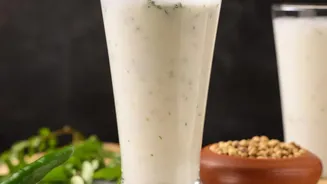
At the forefront of this trend is Sol Kadhi, a beloved digestive drink from the Konkan coast of Maharashtra and Goa. Traditionally consumed after meals, this light, pink-hued beverage is made from coconut milk and the juice of dried kokum fruit, often
spiced with a hint of garlic, ginger, and green chillies. For generations, it has been cherished not just for its uniquely tart and refreshing taste but for its ability to cool the digestive system, especially after a spicy meal. Its appearance on urban menus is a nod to a collective shift towards appreciating local ingredients and culinary traditions for their inherent health benefits.
The Gut Health Revolution Comes Home
The increasing popularity of drinks like Sol Kadhi is directly linked to the global wellness focus on gut health. The Indian probiotics market is experiencing significant growth, projected to reach nearly USD 10.77 billion by 2034 as consumers become more aware of the link between a healthy gut and overall immunity. Probiotics are beneficial live bacteria that support digestion and nutrient absorption. While international options like kombucha and kefir have become popular, there's a growing realisation that traditional Indian foods are naturally rich in these friendly microbes. This has led chefs and consumers alike to look inward, rediscovering the functional benefits of what's already on their doorstep.
From Kitchen Staple to Cafe Star
Across Mumbai, Delhi, and Bangalore, restaurants are embracing this trend. Sol Kadhi is no longer just a humble accompaniment to a fish thali; it's being presented as a standalone health beverage, a cooling appetiser, or even a palate cleanser in modern Indian eateries. Its benefits are a major selling point: it's known to aid digestion, prevent acidity, and act as a natural body coolant. The kokum fruit itself is rich in antioxidants and has anti-inflammatory properties, making Sol Kadhi a powerhouse of goodness that contributes to better skin and heart health.
Beyond Sol Kadhi: A Probiotic Powerhouse
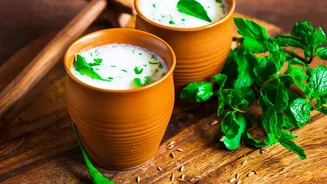
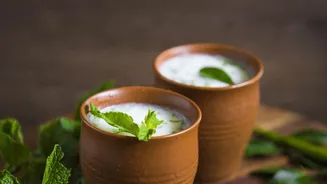
The trend extends far beyond this coastal favourite. Another traditional drink gaining traction is Kanji, a fermented beverage from North India typically made with black carrots and mustard seeds. This tangy, deep purple drink is a probiotic powerhouse known for boosting immunity and aiding detoxification. Similarly, Chaas (buttermilk), a staple in countless Indian homes, is being celebrated for its gut-friendly properties. Made by churning curd and water, this simple drink is packed with probiotics, calcium, and electrolytes, making it excellent for hydration and digestion. These drinks, once confined to regional homes, are now being recognised for their universal health appeal.
A Modern Twist on Ancient Wisdom
As these drinks enter the commercial space, they are often given a contemporary makeover. Some cafes are experimenting with variations, like beetroot kanji or spiced buttermilk with new herb infusions, to appeal to modern palates. They are marketed not just as traditional recipes but as 'gut shots' or 'wellness coolers,' fitting neatly into the vocabulary of the modern health-conscious consumer. This commercialisation bridges the gap between generations, reintroducing ancient nutritional wisdom to a younger audience that is actively seeking natural and effective ways to improve their health. It represents a move away from imported fads towards celebrating the potent, time-tested remedies found within India's own diverse culinary heritage.