



For busy working couples, the weeknight dinner scramble is a familiar stress. Batch cooking on the weekend is a popular solution, but storing those delicious meals safely is key to making the whole system work.
The Two-Hour Cooling Rule
The most critical step in meal storage happens
right after cooking. Cooked food should not sit at room temperature for more than two hours. This is because bacteria multiply rapidly in the 'danger zone' between 4°C and 60°C. To cool large batches quickly, never place a giant, hot pot directly into the fridge. Instead, divide the food into smaller, shallow containers. This increases the surface area and allows the food to cool down much faster, moving it through the danger zone quickly and safely. Spreading the containers out on a single shelf in the fridge, rather than stacking them, also improves air circulation and speeds up cooling.
Choosing Your Storage Champions
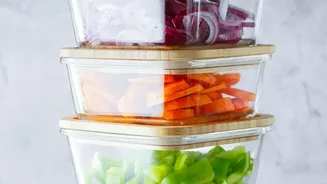
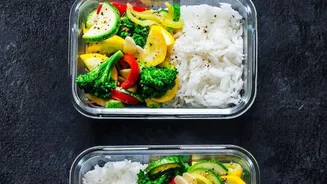
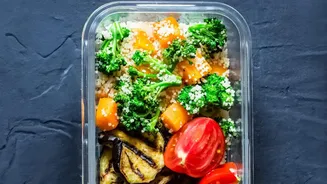
The right container can make all the difference. For freezing, quality is paramount to prevent leaks or cracks from temperature shifts. While it's tempting to reuse old takeaway containers, they often become brittle and are not designed for extreme cold. Invest in containers made for the job. Borosilicate glass containers are a durable, long-term option; they are non-porous, resist odours, and can often go from the freezer to the microwave or oven (always check the manufacturer's instructions). High-quality, BPA-free plastic containers are a lighter-weight and less expensive alternative; look for recycling codes 2 (HDPE) or 5 (PP), which are freezer-safe. For soups, stews, and sauces, resealable freezer bags are excellent space-savers. Lay them flat to freeze, and then 'file' them vertically like books to easily see what you have.
Fridge vs. Freezer: Know Your Timelines
Knowing how long your meals will last is crucial for planning and food safety. According to the USDA and other food safety authorities, most cooked leftovers can be safely stored in the refrigerator for three to four days. If you've prepped meals for a full seven-day week, this means you should plan to freeze anything you won't eat within that four-day window. Don't wait until day four to freeze it; move it to the freezer on the day you cook it to preserve its quality. In the freezer, those same meals can last for three to four months with minimal loss of quality, though they remain safe to eat for much longer. Always label your containers with the contents and the date you froze them to avoid mystery meals and ensure you're using the oldest items first.
The Art of Smart Freezing
Proper freezing technique prevents the dreaded freezer burn—those icy, discoloured patches that ruin texture and flavour. Freezer burn happens when food is exposed to air. To prevent it, remove as much air as possible from your containers. For freezer bags, you can press the air out manually or use a straw to suck it out before sealing the last corner. For rigid containers, especially with liquids like soup, leave a little headspace (about an inch) to allow for expansion as the food freezes, which prevents the lid from popping off. You can also press a piece of plastic wrap or foil directly onto the surface of the food before putting the lid on to create an extra barrier against air.
Reheating for Maximum Flavour
How you reheat a meal is just as important as how you store it. For the best results, thaw frozen meals overnight in the refrigerator. While it's safe to reheat food from frozen, slow thawing helps maintain better texture. Never thaw food on the countertop, as this puts it back in the temperature danger zone. When you're ready to eat, ensure the food is reheated to an internal temperature of 74°C to kill any bacteria. Soups and stews reheat beautifully on the stovetop. For other dishes like casseroles or roasted vegetables, the oven often yields better results than a microwave, preventing sogginess. If using a microwave, cover the food to retain moisture and stir it intermittently to ensure even heating.