





The New Epicentres of Festive Hiring
The annual festive hiring spree, a direct result of anticipated demand for platforms like Amazon and Flipkart, is undergoing a major geographical shift. While metro cities remain important, the real surge in temporary employment is happening in Tier 2
and Tier 3 cities. Cities such as Lucknow, Jaipur, Coimbatore, Indore, and Chandigarh are becoming the new hotspots for warehouse and logistics recruitment. According to industry reports, these non-metro areas are expected to contribute significantly to the seasonal workforce demand, with some estimates suggesting their hiring growth is double the rate of metros. This year, India is expected to add over 2.5 lakh temporary and gig jobs for the festive season, with nearly 45% of this demand originating from smaller cities.
E-commerce's Deep Dive into Bharat
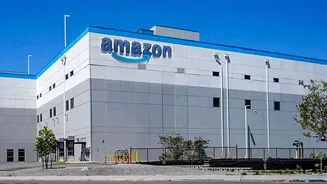
The primary driver behind this trend is the incredible expansion of e-commerce beyond India's largest urban centers. With rising internet penetration and digital payment adoption in smaller towns, millions of new consumers are shopping online. To meet their expectations of rapid delivery, companies can no longer rely solely on massive warehouses located on the outskirts of Delhi or Mumbai. The strategic answer is to move storage and fulfilment centres closer to this expanding customer base. This 'hub-and-spoke' model involves setting up large regional distribution hubs and smaller, local delivery stations in Tier 2 locations to drastically cut down on last-mile delivery times and logistics costs.
The Compelling Economics of Smaller Cities
For businesses managing the thin margins of e-commerce, the financial incentives of operating in Tier 2 cities are undeniable. The cost of real estate, both for purchasing land and leasing large warehouse spaces, is significantly lower than in the saturated metro markets. This allows companies to build larger, more efficient facilities. Furthermore, operational expenses and the cost of labour are generally more affordable. This combination of lower costs and access to a ready workforce makes these cities a strategic goldmine for logistics and retail companies looking to scale up their operations efficiently ahead of the peak sales season.
A Broader Spectrum of Job Roles
The surge in hiring is not limited to entry-level pickers and packers. The increasing sophistication of the supply chain is creating a diverse range of new-age operational roles. Alongside warehouse associates, there is a growing demand for inventory controllers, returns and refunds specialists, customer resolution executives, and data entry operators. These roles are essential for managing the complex flow of goods, from initial order to final delivery and potential returns. This diversification points to a maturing logistics ecosystem in these cities, offering more varied employment opportunities than ever before and even creating pathways to longer-term employment beyond the festive peak.
The Ripple Effect on Local Economies
This logistics boom is injecting new economic vitality into Tier 2 cities. The creation of thousands of seasonal jobs provides a significant income boost for local populations, including many first-time workers and women, who are increasingly joining the workforce. This influx of capital stimulates local consumption and can spur the growth of ancillary businesses, from food vendors to transportation services. Over the long term, this trend represents more than just a seasonal event; it signals a fundamental restructuring of India's economic geography. As these cities become integral nodes in the national supply chain, it fosters infrastructure development and solidifies their role as important centres of commerce and employment.