


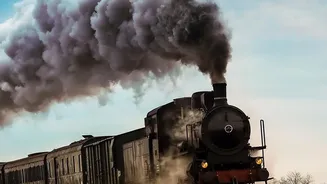
A Journey Through History
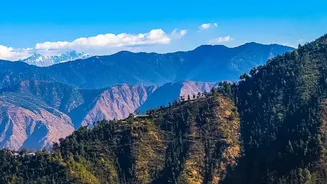
For over a century, the 'toy train' to Shimla has been an icon of Indian travel. Opened in 1903 to connect the summer capital of British India with the plains, this narrow-gauge railway is an engineering marvel. It snakes through the Shivalik foothills
across 96 kilometres, navigating more than 800 bridges and 102 tunnels to climb over 1,400 metres in altitude. Its slow, chugging pace is part of the charm, offering passengers unparalleled views and a romantic connection to a bygone era. In 2008, its unique character and engineering prowess earned it a spot on the UNESCO World Heritage list, cementing its status not just as transport, but as a treasured piece of global history. For generations, the journey itself has been the destination.
The Case for Change
But preserving history comes with modern challenges. Heritage lines are expensive to maintain, and the very things that make them charming—slow speeds and vintage coaches—can deter the modern tourist accustomed to speed and comfort. In a world of budget airlines and express highways, heritage railways must fight to stay relevant and, crucially, financially viable. Indian Railways faces a dilemma: how do you upgrade a historic service without destroying the very heritage that makes it special? The answer being tested on the Kalka-Shimla line is a two-pronged experiment that blends passenger experience with futuristic technology.
Inside the Experiment: Comfort and Carbon-Free
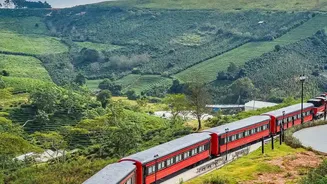
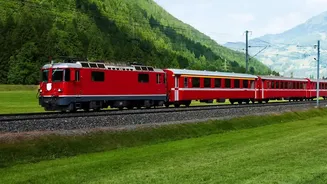
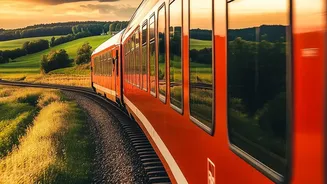
The first part of the experiment is a direct appeal to the modern traveller. Indian Railways has rolled out a new fleet of coaches designed to look 'heritage' on the outside but feel distinctly 21st-century on the inside. These panoramic coaches feature wide glass windows and transparent roofs, offering expansive, uninterrupted views of the Himalayan landscape. They also include modern amenities like comfortable, rotating seats, air-conditioning, and upgraded, safer braking systems. The second, more radical part of the experiment is the plan to introduce hydrogen-powered trains on this historic route. Part of a national 'Hydrogen for Heritage' initiative, this move aims to make the journey not just more comfortable, but also completely green. The new engines would generate electricity from hydrogen, emitting only water vapour, thus eliminating the diesel smoke and noise that currently defines the trip.
The Preservation vs. Progress Debate
These changes have, unsurprisingly, sparked a debate. For many, the upgrades are a long-overdue investment that will secure the railway’s future. They argue that enhanced comfort will attract more tourists, generating revenue needed for upkeep and making the line a showcase for sustainable tourism. Proponents believe this blend of old and new makes the heritage accessible and appealing to a new generation. However, some purists and heritage experts worry these modernisations could dilute the authentic experience. They question whether a journey in a quiet, air-conditioned coach with panoramic windows can truly replicate the nostalgic, rattling charm of the original toy train. There are concerns that in the quest for a perfect, clean, and comfortable experience, the very soul of the railway—its historical imperfection—could be lost. This debate touches upon a sensitive issue that previously arose when electrification of the line was proposed and faced resistance over its potential to damage the line's heritage value and environment.
A Blueprint for India's Heritage?
The Kalka-Shimla experiment is being watched closely, as its outcome could have far-reaching implications. India is the custodian of 44 UNESCO World Heritage Sites and countless other historical treasures, many of which face the same pressures of balancing preservation with commercial and social needs. If this dual strategy of enhancing tourist comfort while pushing a green-technology agenda proves successful, it could become a blueprint for other heritage sites, from the Darjeeling Himalayan Railway to the network of ancient forts and palaces across the country. Success would mean finding a sustainable way to make history pay for itself. Failure could mean alienating both heritage purists and mainstream tourists, leaving the line in a worse position.