



Think Vertical: Your Walls Are Your Best Asset
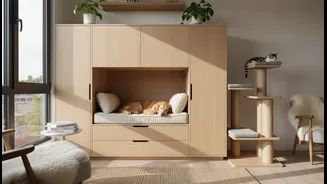
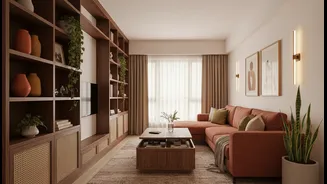
When floor space is at a premium, the only way to go is up. Most Indian flats have underutilised vertical real estate that can solve storage and display challenges. Think of your walls as a canvas for smart design. Floor-to-ceiling wardrobes, for instance,
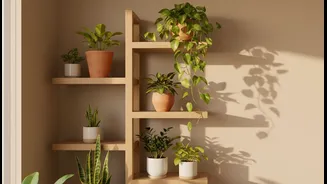
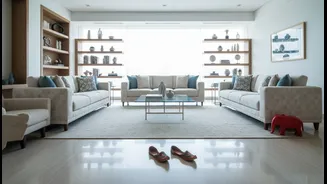
can add up to 30% more storage capacity compared to standard units, perfect for stowing away suitcases, seasonal clothing, and extra bedding. Floating shelves are another excellent tool; install them above doorways, windows, or even your television console to create space for books, plants, and decor without consuming any floor area. In the kitchen, wall-mounted racks can keep countertops clear by holding spices and utensils. By drawing the eye upward with tall bookshelves or vertically arranged art, you create an illusion of height, making the entire room feel more spacious and airy.
Create Warmth: Cosy Doesn't Mean Cluttered
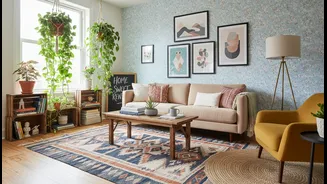
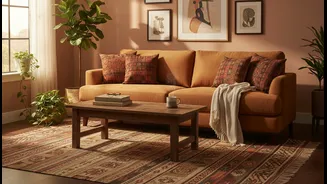
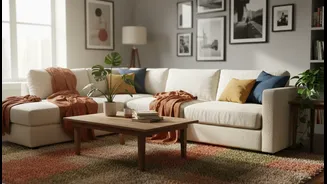
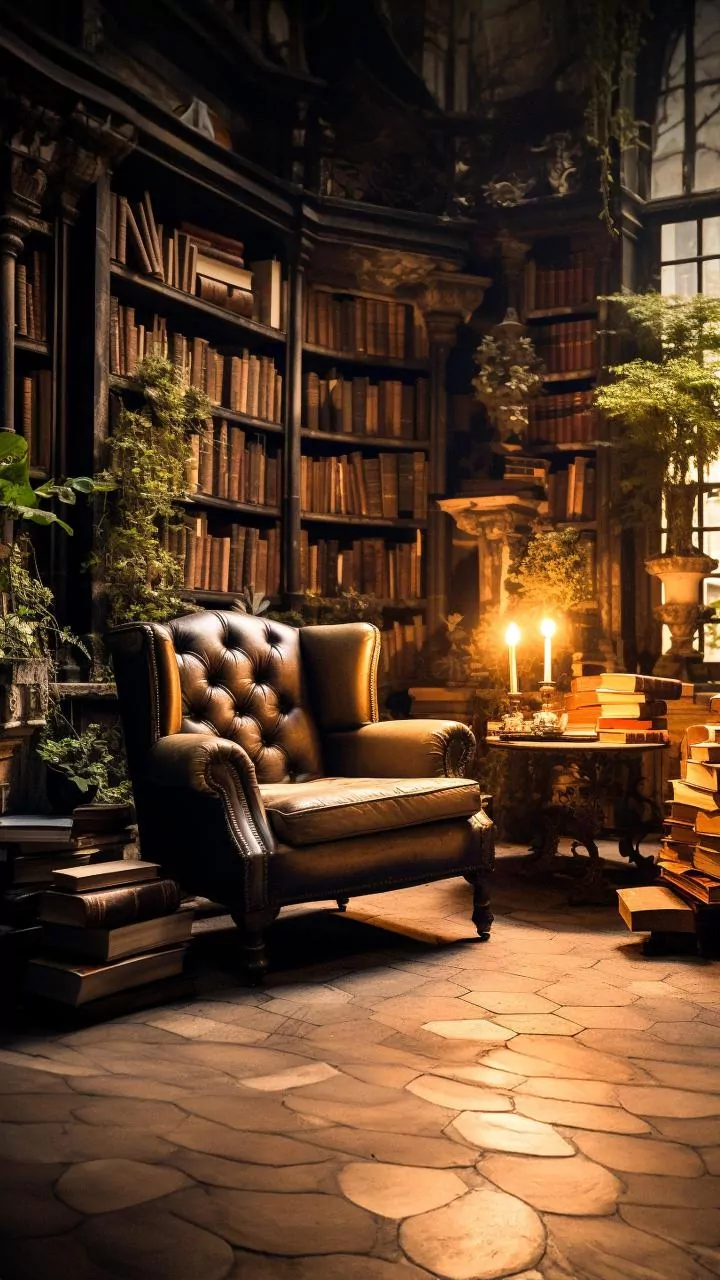
A home should feel like a sanctuary, and warmth is central to that feeling. In the Indian context, this doesn't mean heavy fabrics unsuited for the climate. Instead, focus on layered textures and lighting. Swap out single, harsh overhead lights for a mix of floor lamps, table lamps, and even strategically placed fairy lights to create inviting pools of light. Incorporate natural materials like wood, rattan, and cane through furniture and decor to add an earthy, grounded feel. Textiles are your best friend here. Use cushions, throws, and rugs to add colour and softness. Instead of generic patterns, look to India’s rich textile heritage—a few block-printed cushions, a hand-embroidered wall hanging, or a colourful dhurrie can add immense personality and a sense of place. Warm, earthy paint colours like terracotta, sage green, or soft ochre can also make a space feel more intimate and welcoming than stark white.
Be Practical: A Home That Works For You
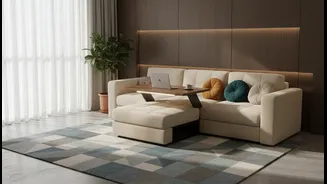
A beautiful home that isn't functional is just a set. For apartment living in India, practicality is paramount. This starts with multi-functional furniture. A sofa that converts into a bed, a coffee table with hidden storage, or a wall-mounted foldable dining table can be game-changers. Beds with hydraulic lifts or storage drawers underneath are essential for hiding away items you don't need daily. When choosing furniture, opt for pieces with slim legs, which allow you to see more of the floor, creating a sense of openness. Glass or acrylic furniture can also help, as they have less visual weight. Beyond furniture, think about zoning. Use a distinct rug to demarcate the living area from the dining space in an open-plan flat. Regular decluttering is also a key habit; adopting a 'one-in, one-out' rule for new purchases can prevent clutter from accumulating.
The Indian Touch: Weaving in Modern Tradition
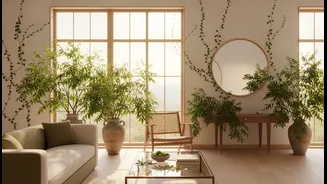
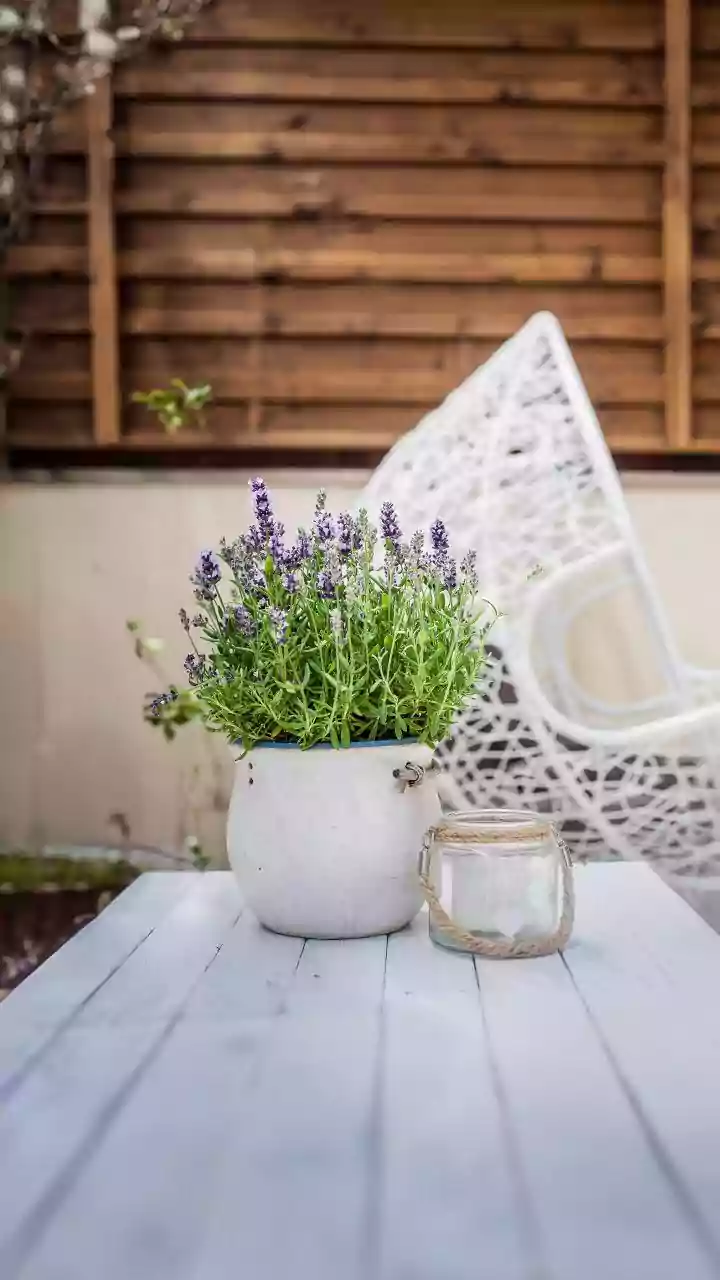
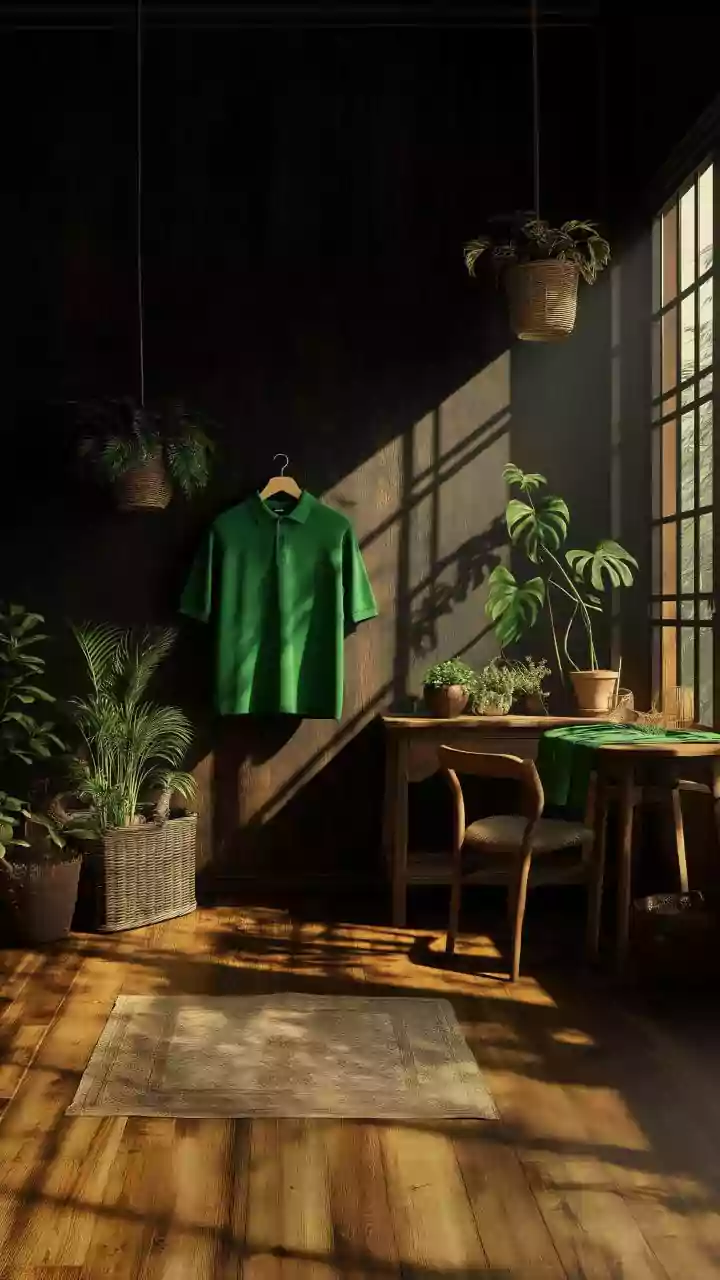
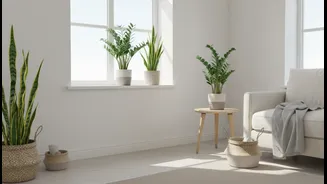
Applying these principles doesn't mean your home has to look like a generic global catalogue. The most beautiful spaces reflect the culture of their inhabitants. Integrate traditional Indian elements in a clean, modern way. A single, intricately carved wooden panel can serve as a stunning piece of wall art. Brass, a material deeply rooted in Indian tradition, can be used for lamps, planters, or small decorative objects to add a warm, metallic sheen. You can use traditional motifs like jali patterns not as heavy dividers, but as subtle patterns on a cushion cover or a laser-cut wall panel. Biophilic design, which incorporates natural elements, is also trending and fits perfectly—add indoor plants like snake plants or areca palms, which are well-suited to the climate and help purify the air. By curating these touches, your home will feel both personal and deeply rooted.