






A Milestone Mission in the Making
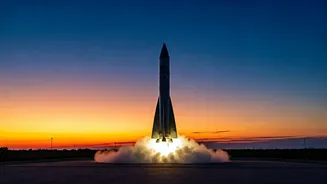
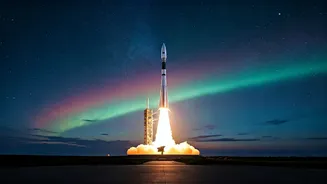
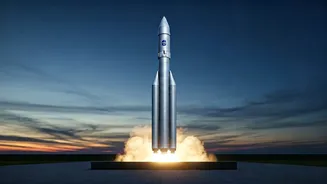
Hyderabad-based startup Skyroot Aerospace has announced it is preparing for the country's first privately developed orbital-class rocket launch. The mission, named 'Aagaman' which means 'arrival', is a significant moment for India's burgeoning commercial
space sector. The launch window for the Vikram-1 rocket is set between July 12 and August 4, 2026, from the Satish Dhawan Space Centre in Sriharikota. This isn't just another launch; it's the first attempt by an Indian private company to place satellites into orbit, a feat that could unlock a new commercial highway to the stars, built in India. The primary goal of this test flight is to gather crucial performance data that can't be replicated on the ground, validating everything from propulsion to stage separation and navigation.
Meet the Trailblazers: Skyroot and Agnikul
Skyroot Aerospace, founded by former ISRO engineers, is at the forefront of this private space revolution. The company made history in November 2022 with the successful suborbital flight of Vikram-S, the first private rocket to reach space from Indian soil. Now, with the seven-storey tall Vikram-1, they are aiming for orbit. But they are not alone. Chennai-based Agnikul Cosmos is another key player, known for its innovative 3D-printed semi-cryogenic engines. Agnikul has also had significant success, including a suborbital test flight in May 2024 from its own privately built launchpad and a successful cluster test of four engines. These two companies exemplify the new wave of Indian startups turning ambitious space dreams into engineered reality.
A New Policy Takes Flight
This flurry of private activity isn't happening in a vacuum. It is the direct result of a strategic shift by the Indian government, which began opening up the state-dominated space sector to private enterprise in 2020. The creation of the Indian National Space Promotion and Authorisation Centre (IN-SPACe) was a pivotal move. IN-SPACe acts as a single-window agency, helping private companies with authorizations, technology transfers from ISRO, and access to government facilities. This policy change has transformed the ecosystem, allowing private players to move from being mere component suppliers for ISRO to building, owning, and operating their own end-to-end space missions. The Indian Space Policy 2023 further solidified this by allowing 100% FDI in satellite manufacturing, signaling to the world that India is serious about private space enterprise.
India's Slice of a Trillion-Dollar Market
The stakes are enormous. The global space economy is a multi-billion dollar industry, and India is determined to claim a larger share. As of 2023, India's space economy was valued at around $8.4 billion, but projections estimate it could grow to $44 billion by 2033. The goal is to capture 8-10% of the global market, a significant leap from the current 2%. The key to this growth lies in the small satellite launch market. Satellite operators worldwide often face long waits and high costs to get their payloads into orbit. Indian startups like Skyroot and Agnikul are developing rockets specifically designed to offer faster, more flexible, and affordable launch services for these small satellites, creating a powerful niche for the country's space program.
From Test Stand to a Commercial Future
The journey from a successful test to a reliable commercial launch service is long and challenging. The upcoming Vikram-1 mission is a technology demonstration, with full commercial flights planned only after one or two successful orbital demonstrations. These initial flights, carrying a mix of domestic and international customer payloads, are crucial for building confidence and proving reliability. The growth of the sector has been explosive, with the number of space startups in India soaring from a handful before 2020 to nearly 400. This new ecosystem is not just building rockets; it's fostering innovation across satellites, propulsion systems, and data analytics, creating jobs and retaining talent within the country. The successful launch of Vikram-1 would not be an endpoint, but the true beginning of India’s commercial space age.