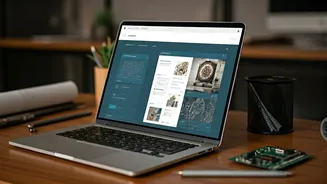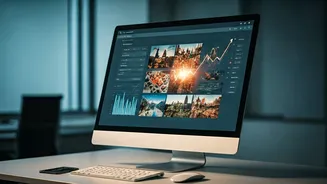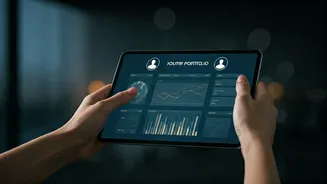









Why Go Beyond the Static PDF?
Think of a traditional CV as a list of ingredients. It tells a recruiter you have flour, sugar, and eggs. An interactive portfolio, on the other hand, is a video of you baking a magnificent cake. It demonstrates your process, your skill, and the final,
delicious result. While a PDF can list your proficiency in a software, an interactive portfolio can embed a clickable prototype you designed in Figma or a short video walkthrough of a project you managed. This shift from describing your skills to demonstrating them is what separates you from the stack of look-alike resumes. It allows you to showcase your personality, your problem-solving approach, and the tangible impact of your work in a dynamic, engaging format that a static document simply cannot replicate.
The Key Elements of Interaction
So, what makes a portfolio 'interactive'? It’s about creating an experience for the viewer, not just a document to be read. Here are the core components you can integrate: * **Embedded Video & Audio:** Instead of just showing screenshots of a video project, embed the final cut directly. If you’re a podcaster or sound designer, let them play audio clips. This provides immediate, undeniable proof of your abilities. * **Clickable Prototypes:** For UI/UX designers, developers, and product managers, embedding a live prototype from a tool like Figma, InVision, or Adobe XD is a game-changer. It allows a hiring manager to click through an app you designed, experiencing its flow firsthand. * **Animated GIFs & Graphics:** Use subtle animations or GIFs to bring case studies to life. Show a 'before and after' of a redesign, or animate a data visualisation to make your impact clearer and more memorable. * **Code Snippets:** If you're a developer, showcasing your code is crucial. Embed interactive code blocks from platforms like CodePen or GitHub Gists to let others see and even play with your work directly on your portfolio page. * **3D Model Viewers:** For architects, 3D artists, or product designers, embedding a 3D model viewer (like Sketchfab) lets recruiters rotate, zoom, and inspect your work from every angle.
Craft a Narrative, Not Just a Gallery
A great portfolio is more than a collection of your best work; it's a story about your professional journey. Don't just dump images and links. For each project, create a mini-case study. Structure it with a clear narrative: what was the problem you were trying to solve? What was your specific role and process? What challenges did you face, and how did you overcome them? Finally, what was the result or impact? This storytelling approach transforms your portfolio from a passive gallery into an active demonstration of your critical thinking, resilience, and value. It helps a potential employer see not just *what* you can do, but *how* you think and operate as a professional.
Choosing the Right Platform
You don't need to be a coding expert to build a stunning interactive portfolio. There are numerous platforms available for every skill level: * **For Creatives (Template-Based):** Platforms like Adobe Portfolio (often included with a Creative Cloud subscription), Behance, and Dribbble are excellent for designers, artists, and photographers. They offer beautiful, easy-to-use templates that let your work shine. * **For Generalists (Website Builders):** Services like Squarespace, Wix, and Carrd offer highly customisable drag-and-drop interfaces. They are perfect for marketers, writers, consultants, and anyone wanting more control over layout and functionality without writing code. * **For Coders & Power Users:** If you have web development skills, building your own site with tools like Webflow, or using a framework like React or Vue.js, offers maximum flexibility. This path itself becomes a portfolio piece, demonstrating your technical prowess.
Final Polish: Do's and Don'ts
Before you share your portfolio with the world, run through this final checklist. **Do** ensure your site is mobile-friendly; most recruiters will view it on their phones. **Do** include a clear and simple way for people to contact you. **Don't** overload it with every project you've ever done; curate only your strongest, most relevant work. **Do** proofread everything meticulously—typos undermine your professionalism. Finally, **don't** make it difficult to navigate. A recruiter should be able to understand who you are and what you do within seconds of landing on your page.