




The Great Grain Debate
For generations, wheat has been the undisputed staple of the Indian thali. But a health-conscious wave has brought ancient millets like ragi and jowar back into the spotlight, often positioned as direct rivals to wheat. This has created confusion, leaving
many to wonder if they must choose a side. The truth is, this competitive framing is unhelpful. A healthy diet isn’t about eliminating entire food groups; it’s about diversity and balance. Instead of asking which grain is 'best', the more useful question is, 'What is each grain best for?' By understanding their unique strengths, we can learn to use ragi, jowar, and wheat as a complementary team.
Wheat: The Reliable Foundation
Let’s start with the familiar favourite: wheat. Whole wheat is a fantastic source of energy, protein, and B vitamins. Among the three, it generally has the highest protein content, which is crucial for building and repairing tissues. Its primary advantage is the presence of gluten, which gives rotis and breads their soft, elastic texture that is so beloved in many Indian households. This makes it incredibly versatile and easy to work with. While some people have gluten sensitivities, for the vast majority, whole wheat remains a nutritious and affordable foundation for daily meals. Think of it as the most reliable, all-purpose tool in your kitchen kit—perfect for everyday chapatis, parathas, and providing sustained energy.
Ragi: The Nutrient Powerhouse
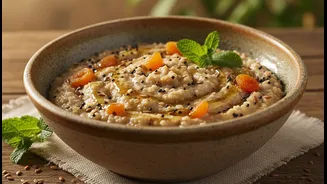
Ragi, or finger millet, is the specialist tool for a nutritional boost. Its standout feature is its exceptional calcium content, which is the highest among common cereals and vital for bone health, growing children, and lactating mothers. Ragi is also a great source of iron and dietary fibre. This high fibre content, combined with a low glycemic index, means it releases sugar into the bloodstream slowly. This makes it an excellent choice for managing blood sugar levels and promoting a feeling of fullness, which can aid in weight management. While making pure ragi rotis can be tricky due to the lack of gluten, it's perfect for porridges, dosas, or being mixed with other flours.
Jowar: The Gut-Friendly All-Rounder
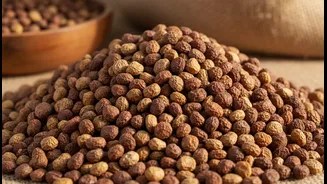
Jowar, also known as sorghum, is the balancing tool in your grain kit. Naturally gluten-free, it's a safe and nutritious option for anyone with celiac disease or gluten sensitivity. It is packed with fibre, which is great for digestive health and can help manage cholesterol levels. Jowar is also rich in antioxidants, which help combat oxidative stress in the body. Like ragi, it has a lower glycemic index compared to wheat, making it beneficial for blood sugar control. Its slightly dense texture lends itself beautifully to the traditional bhakri, a staple in states like Maharashtra and Karnataka, but it can also be used in upma or porridge.
Building Your Grain Toolkit
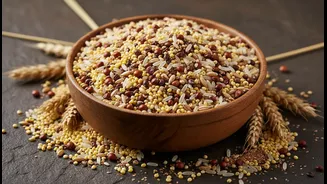
The smartest approach is not replacement, but rotation and combination. This strategy allows you to reap the benefits of all three grains. You could have a ragi porridge for breakfast to get a calcium and iron boost. For lunch, a couple of soft wheat rotis provide familiar comfort and energy. In the evening, a light jowar bhakri can offer a gluten-free, fibre-rich option. Another easy way to incorporate them is by creating your own multigrain atta. Mixing wheat, jowar, and ragi flour can make your daily rotis more nutritious while maintaining a manageable texture. Adding just a portion of millet flour to your regular wheat flour is a simple first step. This approach ensures you get a wider array of nutrients—the protein from wheat, the calcium from ragi, and the antioxidants from jowar—without sacrificing taste or convenience.