





The End of the Off-Season?
For decades, India's tourism calendar was predictable: a busy winter, a scorching summer lull, and a monsoon season from June to September that brought most leisure travel to a standstill. Hotels in popular destinations would see occupancy rates plummet,
sometimes by as much as 50%, forcing them to slash prices or even temporarily close. But that narrative is being rewritten. A combination of changing traveller preferences, savvy marketing, and a desire for unique experiences is transforming the rainy season into a vibrant, profitable period for the hospitality sector. Recent data shows a remarkable uptick in monsoon travel, with some hotels reporting booking increases of 10-15% year-on-year, smoothing out the sharp revenue dips that once defined the industry's off-season.
Meet the New Monsoon Traveller
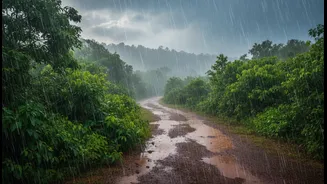
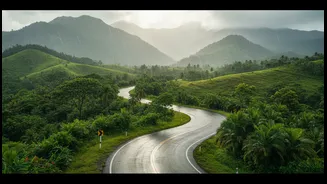
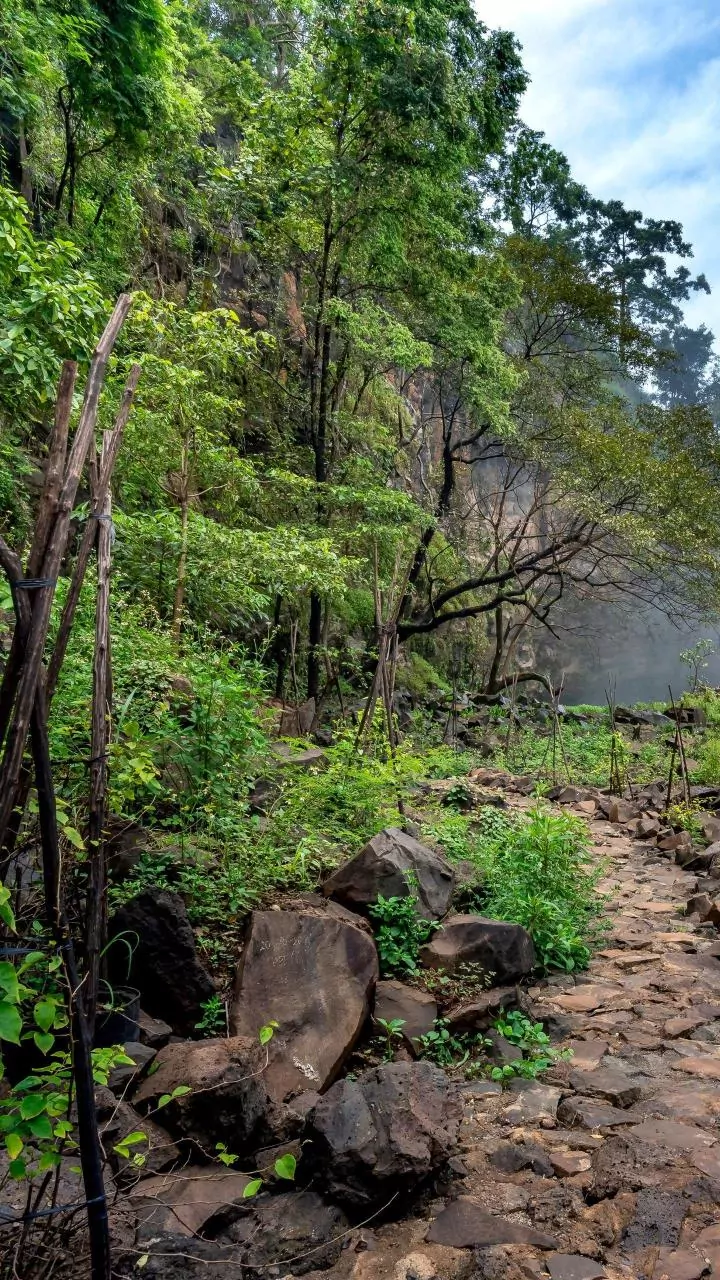
Driving this trend is a new wave of domestic tourists who are choosing to embrace the rains rather than escape them. This group is diverse, ranging from young professionals and 'frolleagues' (friends who are also colleagues) on short 'mini-cations' to couples seeking romantic getaways and families looking for value. They are drawn by compelling advantages: fewer crowds at iconic landmarks, lower prices on flights and luxury stays, and the sheer beauty of a rain-washed landscape. Unlike tourists of the past who might have been deterred by rain, today's travellers see it as part of the experience. They are seeking authenticity, tranquillity, and a deeper connection with nature, which the monsoon provides in abundance.
From Coastal Retreats to Mountain Mists
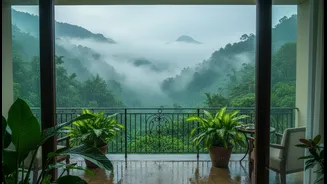
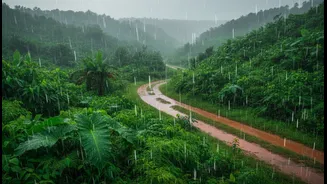
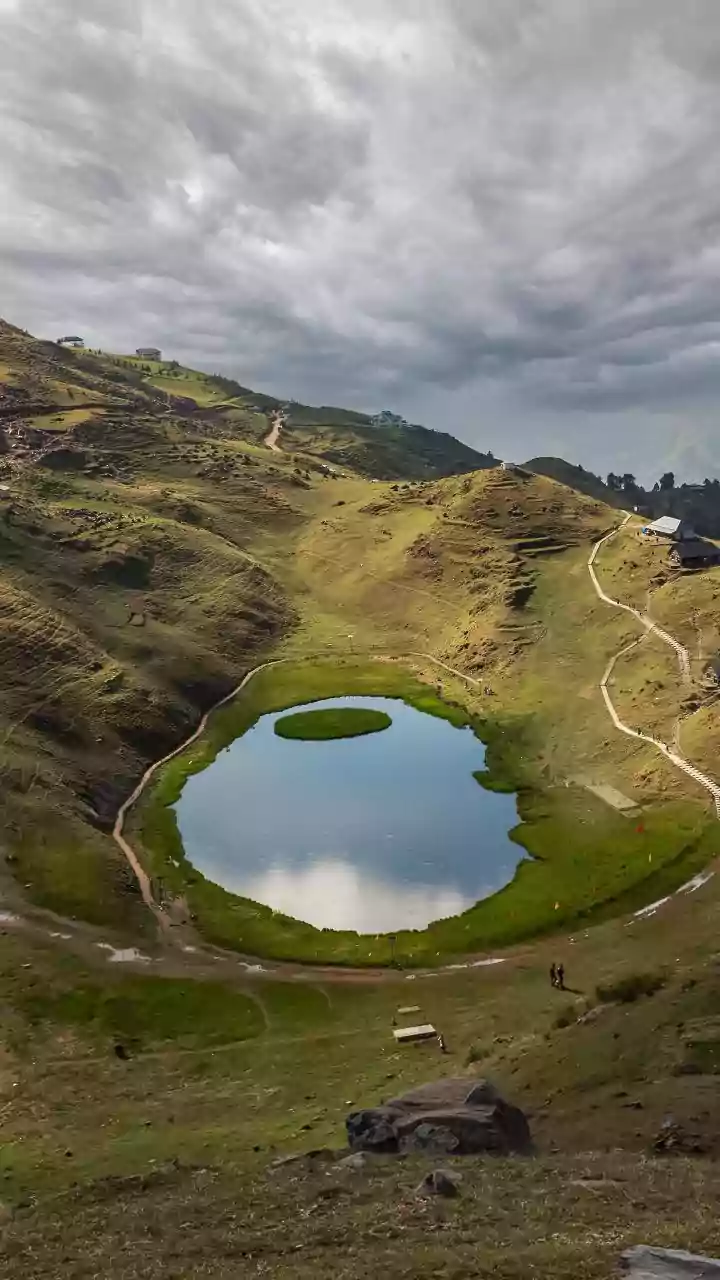
While the trend is widespread, certain regions are becoming monsoon hotspots. Kerala, with its emerald backwaters and focus on Ayurvedic wellness treatments that are considered more effective in the moist climate, has long been a rainy-season favourite. Goa, once deserted in the monsoon, now actively promotes its lush green landscapes and tranquil atmosphere. In Maharashtra, hill stations like Lonavala and Mahabaleshwar, just a short drive from Mumbai and Pune, become waterfalls wonderlands. Further north, destinations like Udaipur in Rajasthan, the 'City of Lakes', take on a romantic, misty charm. Even hill stations in Himachal Pradesh and Uttarakhand, despite risks of disruption, are seeing a steady flow of visitors who come for the mist-laden hills and cool weather.
How the Industry Is Adapting
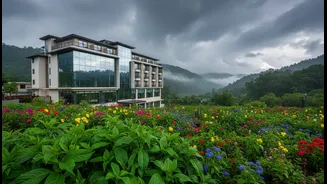
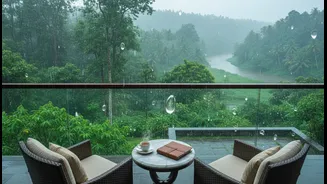
The hospitality industry has been quick to capitalize on this growing interest. Instead of just offering steep discounts, hotels are curating special experiences tailored to the season. This includes everything from wellness packages and spa retreats to indoor activities like cooking masterclasses and cultural workshops. Marketing campaigns now glorify the 'joyous rains', highlighting cozy indoor dining, the scent of wet earth, and the dramatic beauty of the landscape. Many properties offer flexible cancellation policies to mitigate concerns about weather disruptions and focus on creating all-inclusive packages that encourage guests to relax and enjoy the resort's amenities, even if it's pouring outside.
A Win-Win for Travellers and Businesses
The rise of monsoon tourism represents a significant structural shift for India's hospitality sector. By turning a traditionally lean period into a new revenue stream, hotels can maintain more consistent cash flow and employment throughout the year, benefiting local economies. This trend also helps distribute the tourist load more evenly, easing the pressure on infrastructure during the peak winter months. For travellers, it unlocks the opportunity to experience India in a completely different light—quieter, greener, and often more affordable. This evolution from a dreaded off-season to a celebrated travel period marks a maturing of India's domestic tourism market, proving that with the right approach, even the rain can be a powerful asset.