






Why Inner Waterproofing Is Essential
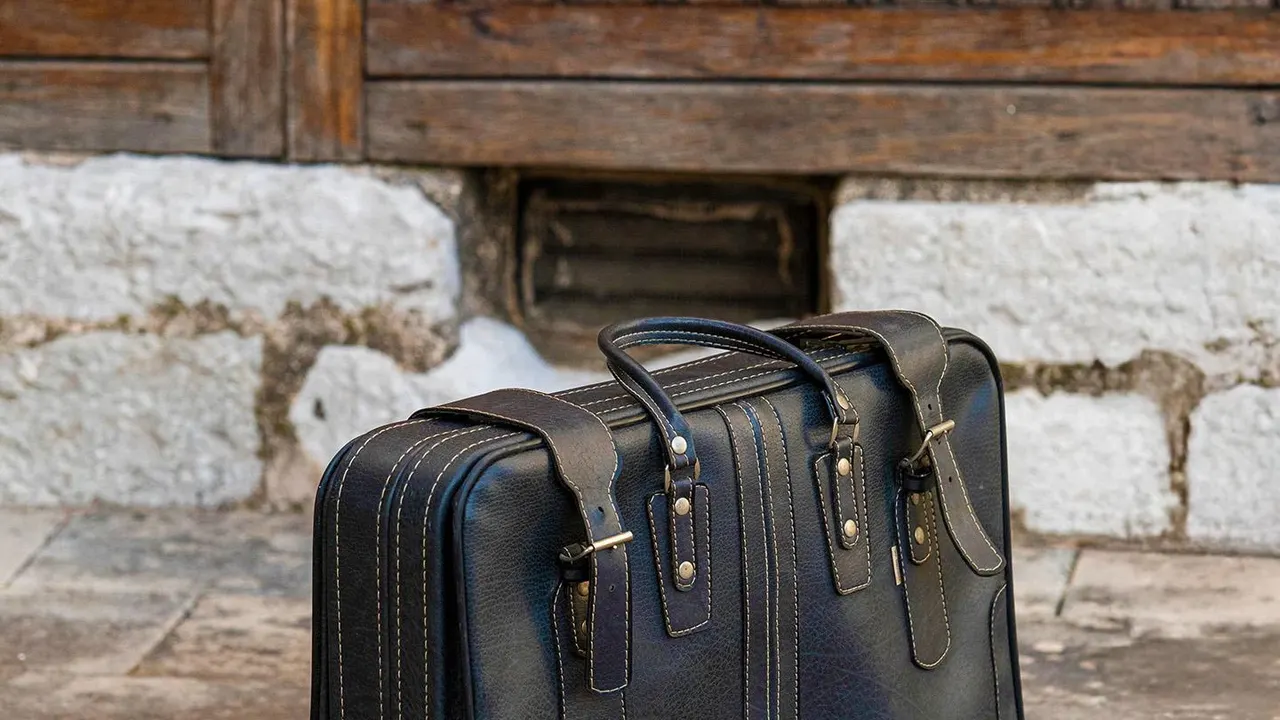
While hard-shell suitcases offer a degree of water resistance, they are not completely foolproof. Seams and zippers are common weak points where moisture can seep in. Checked luggage can be exposed to rain, puddles on the tarmac, or spills from other
bags. Internally, a leaking toiletry bottle can wreak havoc on your carefully packed outfits and expensive electronics. The goal of layering with waterproof bags is to create a multi-level defence system. This ensures that even if the outer shell of your luggage is compromised, your valuables remain perfectly dry and organised.
Choose Your Waterproof Arsenal
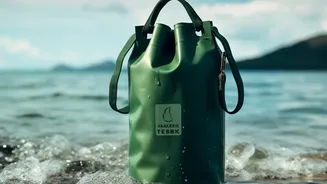
The foundation of a good waterproofing strategy is selecting the right tools. Not all bags are created equal, and using a combination can be most effective. Dry Bags: These are the gold standard for waterproofing. Typically made from materials like PVC or coated nylon with a roll-top closure, they create a watertight seal that can even handle brief submersion. They come in various sizes, making them perfect for protecting electronics, documents, or a full set of clothes. Waterproof Packing Cubes: A traveller's best friend for organisation, many brands now offer waterproof or water-resistant versions. These are excellent for compartmentalising clothing and keeping damp items, like a swimsuit, separate from dry ones. Some feature welded seams for enhanced protection. Compression Sacks: Often used for camping, these bags can also be waterproof. They serve a dual purpose: protecting items from moisture while also squeezing out excess air to save precious luggage space, which is especially useful for bulky items like jackets or sweaters. Reusable Zip-Top Bags: For smaller items and toiletries, never underestimate the utility of heavy-duty, reusable silicone or plastic zip-top bags. They are perfect for containing potential liquid spills and organising smaller essentials.
The Strategic Layering Technique
Once you have your bags, the key is to pack them strategically. Think of it as creating zones of protection within your suitcase. Step 1: The Central Core for Valuables. Your most sensitive items—laptops, cameras, passports, and medications—should be at the very centre of your luggage. First, place these items in a dedicated, appropriately sized dry bag. To add another layer of defence, position this dry bag in the middle of your suitcase, cushioned on all sides by soft clothing. This protects them from both moisture and impact. Step 2: Compartmentalise with Cubes. Use waterproof packing cubes to group the rest of your items by category: shirts in one, trousers in another, and undergarments in a third. This modular system not only keeps you organised but also contains any potential moisture breach to a single cube. Step 3: Isolate All Liquids. Any bottle containing liquid, gel, or cream should be considered a potential problem. Place all toiletries inside a dedicated waterproof toiletry bag or at least double-bag them in strong zip-top bags. This pouch should then be placed away from electronics and delicate fabrics, perhaps near one of the sides of the suitcase. Step 4: Create a Buffer Zone. Arrange the packed cubes and bags inside your luggage. The most protected items, like your electronics dry bag, should be in the centre. Surround them with your clothing-filled packing cubes, which act as a soft, protective buffer. Place less critical or more water-resistant items, like shoes (in their own bags) or a rain jacket, along the outer edges of the suitcase.
Final Checks and Extra Tips
A few extra habits can make your system even more robust. Before closing any dry bag, press out as much excess air as possible and ensure you roll the top down at least three times before buckling it shut for a proper seal. For an extra measure of moisture absorption, you can toss a few silica gel packets into your electronics case or main luggage compartment. Finally, always inspect your waterproof bags for wear and tear before a trip, especially around the seams and closures. A small puncture can undermine your entire system. This proactive approach ensures your gear remains ready for any adventure.