

Monsoon Fury: What to Know This Season
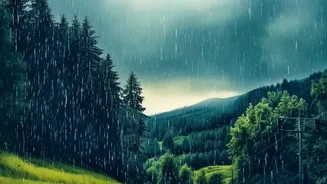
The monsoon is a time of dramatic weather shifts, and this year is no exception. While some parts of the country have seen weaker rainfall, other areas are experiencing intense downpours. The India Meteorological Department (IMD) has issued multiple alerts
for heavy to very heavy rainfall across various states, including popular tourist destinations. On August 24, heavy showers led to significant waterlogging and traffic disruption in Delhi-NCR and other parts of North India. Regions like Chhattisgarh, Madhya Pradesh, Uttarakhand, and the Northeastern states have been flagged for prolonged wet conditions. For travellers, this means that even a well-planned trip can be upended by sudden weather events. Flash floods, landslides, and road closures are real possibilities, making it crucial to stay informed about the conditions at your chosen destination.
The Hidden Dangers of a Rainy Holiday
Beyond the inconvenience of a rained-out vacation, the monsoon poses specific safety threats. In hilly regions like Uttarakhand and Himachal Pradesh, persistent rain makes the slopes unstable, leading to a heightened risk of landslides and falling rocks. These events can block major highways for hours or even days, leaving travellers stranded. In the plains and low-lying areas, intense spells of rain can cause rivers to swell rapidly and lead to flash floods. Authorities often warn tourists to avoid unnecessary travel in vulnerable mountain areas during these alerts. Waterlogged roads not only disrupt traffic but can also damage your vehicle and hide dangers like open manholes. It’s also important to be aware of health risks associated with flooding, such as waterborne diseases.
Your Official Guide to Weather Alerts
Staying ahead of the weather is easier than ever with official government resources. Your primary source should be the India Meteorological Department (IMD). Their website (mausam.imd.gov.in) provides real-time updates, city-specific forecasts, and colour-coded warnings (Yellow, Orange, Red) that indicate the severity of expected weather. For a more user-friendly experience on the go, download the 'MAUSAM' app, which provides forecasts, radar images, and proactive warnings. For flood-specific information, the Central Water Commission (CWC) is the key authority. The CWC issues flood forecasts and monitors river water levels across the country. You can access their 7-day flood forecast advisory and real-time data through the 'FloodWatch' mobile app, which is available in both English and Hindi.
Decoding the Colour-Coded Warnings
When you see a weather warning, understanding its colour is key to making a smart decision. The IMD uses a simple four-colour system. 'Green' means 'No Action Needed,' indicating fair weather. 'Yellow' means 'Watch,' advising you to stay updated as weather could change. 'Orange,' or 'Be Prepared,' is a more serious alert, indicating that extremely bad weather is possible and could disrupt travel plans and daily life. Finally, a 'Red' alert means 'Take Action.' This is the highest level of warning, issued when extremely heavy rainfall is expected to cause significant risk to life and property. When a red alert is in effect, it is strongly advised to postpone travel and avoid areas prone to flooding or landslides.
Smart Tips for a Safer Monsoon Trip
A little preparation can ensure your monsoon getaway is memorable for the right reasons. First, build flexibility into your itinerary. Book hotels and transport that allow for last-minute changes or cancellations. Before you leave, check the IMD and CWC websites for any warnings for your destination. While travelling, especially in hilly areas, always check with local authorities or your hotel about road conditions. Avoid travelling at night on mountain roads. Pack a simple emergency kit with a first-aid box, torch, power bank, and some dry food and water. Choose your destination wisely; consider places that are less prone to severe flooding or landslides. By taking these simple precautions, you can safely enjoy the spectacular beauty that the Indian monsoon has to offer.