





A Policy Shift Opens the Stars
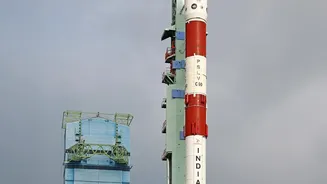
The Indian space programme, historically driven by the state-owned Indian Space Research Organisation (ISRO), is undergoing a monumental transformation. A series of landmark policy reforms, beginning in 2020 and solidified by the Indian Space Policy 2023,
have opened the final frontier to private enterprise. This strategic pivot aims to transition ISRO from being the sole operator to a facilitator and R&D powerhouse, allowing it to focus on ambitious deep space, science, and human spaceflight missions like Gaganyaan. The goal is to grow India's share of the global space economy from its current 2% to a projected 8% by 2033, with the sector's value expected to surge from around $8.4 billion to over $44 billion in the next decade. This new landscape allows Non-Government Entities (NGEs) to participate in end-to-end space activities, from building rockets and satellites to providing space-based services.
The New Gateways: IN-SPACe and NSIL
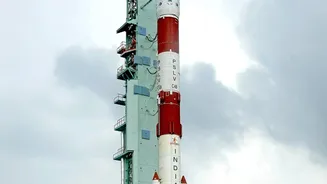
At the heart of this new ecosystem are two key organisations: the Indian National Space Promotion and Authorisation Centre (IN-SPACe) and NewSpace India Limited (NSIL). IN-SPACe acts as a single-window agency, a crucial interface between ISRO and the private sector. It is responsible for authorising, promoting, and supervising the activities of private companies, ensuring they have access to ISRO's state-of-the-art facilities, expertise, and technologies. NSIL, on the other hand, functions as ISRO’s commercial arm. Its mandate is to commercialise the technologies developed through public funds, managing satellite launches, and manufacturing launch vehicles like the PSLV through industrial consortiums. Together, these bodies are creating a structured, demand-driven model that replaces the old supply-based approach, empowering private players to innovate and compete globally.
The Rising Stars of India's 'NewSpace'
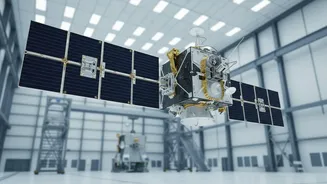
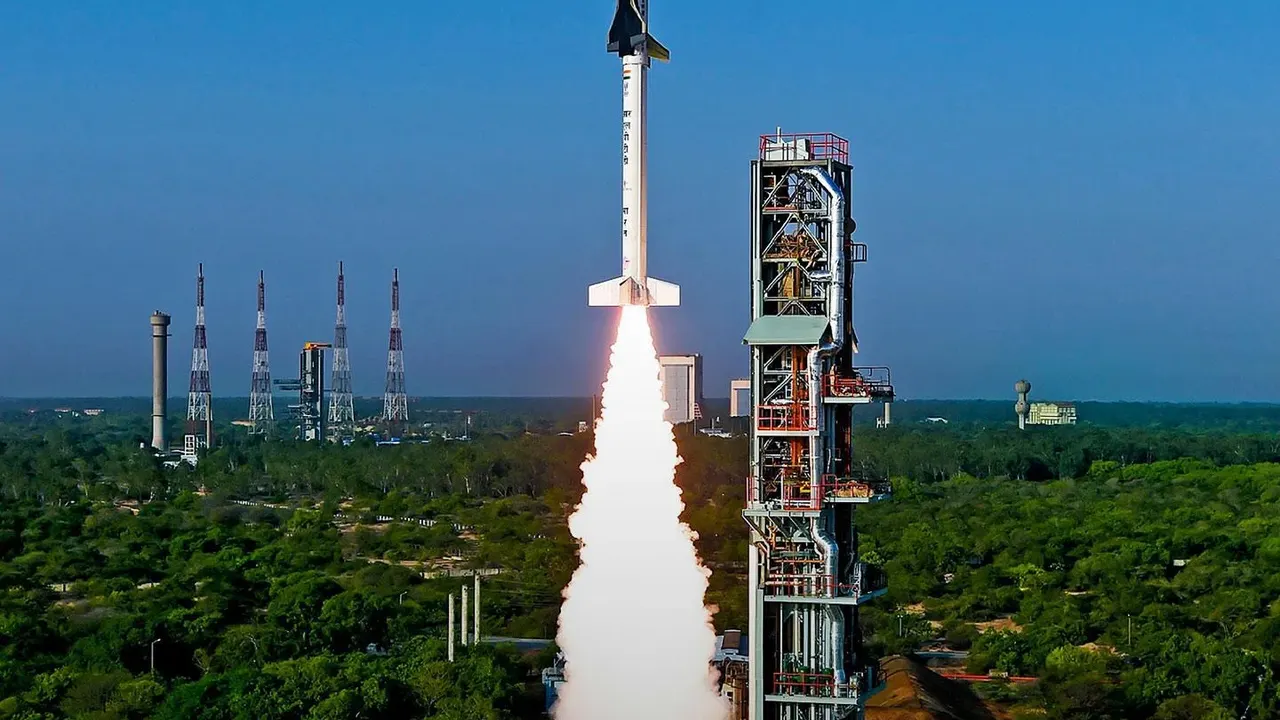
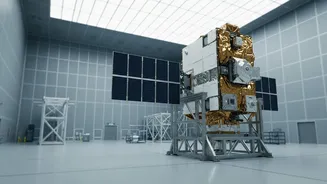
This policy momentum has catalysed a startup boom, with India now home to over 400 private space companies. These ventures are making significant strides. Hyderabad-based Skyroot Aerospace recently became the first Indian private company to launch a rocket into orbit with its Vikram-1 vehicle in July 2026, a landmark moment for the sector. Chennai's Agnikul Cosmos is pioneering with its 3D-printed rocket engines and has successfully tested its Agnibaan rocket. In the satellite domain, Pixxel is building a constellation of hyperspectral Earth-imaging satellites, while Dhruva Space is creating a full suite of services for building and deploying small satellites. These companies are not just vendors to ISRO anymore; they are building their own intellectual property and targeting a global client base, covering everything from launch services to space situational awareness.
A Symbiotic Future in Orbit
ISRO's evolving role is now one of a collaborator and mentor. By offloading routine operations to the private sector, the agency can channel its formidable resources towards next-generation challenges. These include India's first human spaceflight mission (Gaganyaan), establishing a national space station by 2035, and a crewed lunar mission by 2040. This public-private partnership is creating a vibrant, integrated ecosystem. Private companies gain access to decades of accumulated expertise and world-class infrastructure, while ISRO benefits from a robust domestic supply chain and an agile industrial base that can accelerate innovation. The government is further fuelling this growth with financial incentives, venture capital funds, and technology transfer schemes designed to lower entry barriers and make the sector self-reliant.