





1. Jonty Rhodes (South Africa)
There can only be one name at the top of this list. Jonty Rhodes didn't just play the game; he changed how it was played. Before him, fielding was a necessary chore; after him, it was a specialized, match-winning art form. Patrolling backward point like
a predator, Rhodes' acrobatic dives and gravity-defying intercepts became legendary. His most iconic moment—the flying run-out of Inzamam-ul-Haq in the 1992 World Cup—remains the gold standard of athletic brilliance in cricket. He was the first player to make fielding an spectacle in itself, saving countless runs and creating opportunities out of thin air.
2. Ricky Ponting (Australia)
Arguably the most intimidating fielder of his era, Ricky 'Punter' Ponting was a master of the inner circle. His speed, aggression, and famously accurate throws made batsmen think twice before attempting a quick single. Ponting was a genius at cutting off angles and possessed an uncanny ability to hit the stumps with a direct throw, often turning the tide of a match in an instant. As a captain, he led by example, setting incredibly high standards for his team's fielding. His combination of safe hands in the slips and lethal precision in the covers makes him one of the most complete fielders ever.
3. Ravindra Jadeja (India)
In the modern era, few can rival the impact of Ravindra Jadeja. Nicknamed 'Sir Jadeja' for his almost regal command of the field, he is a triple threat: a lightning-fast mover, a catcher with incredibly safe hands, and the owner of arguably the most feared throwing arm in world cricket today. Whether he's at point or patrolling the deep, Jadeja’s ability to execute flat, powerful, and accurate throws to effect run-outs is unparalleled. His energy on the field is infectious, lifting the entire team. He is, without a doubt, the benchmark for fielding in contemporary cricket.
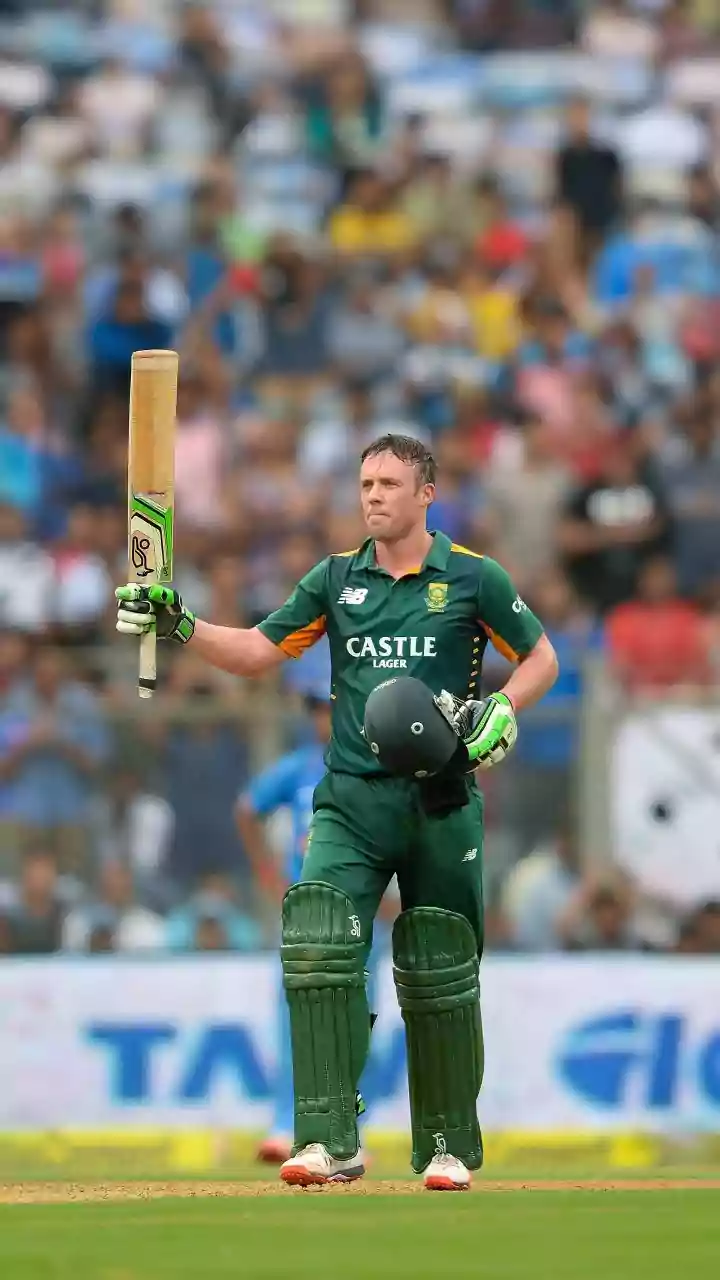
4. AB de Villiers (South Africa)
Known as 'Mr. 360' for his revolutionary batting, AB de Villiers was equally inventive and brilliant in the field. A natural athlete, he started as a wicketkeeper before transitioning into a specialist fielder who could do the impossible. De Villiers was known for his acrobatic and often one-handed catches, especially on the boundary line, that seemed to defy physics. His versatility allowed him to field anywhere, from the slips to the outfield, with the same level of breathtaking skill and commitment, making him a captain's dream.
5. Paul Collingwood (England)
Paul Collingwood was an all-rounder whose fielding was often considered his strongest suit. Described as a "natural athlete," he was England’s answer to Jonty Rhodes, primarily stationing himself at backward point. Collingwood was renowned for his spectacular diving catches, often plucking the ball out of the air with one hand just inches from the turf. His athleticism and sharp reflexes made him a constant threat to batsmen, and his commitment set a new standard for fielding in the English team, even leading them to their first ICC trophy in 2010 as captain.
6. Herschelle Gibbs (South Africa)
Following in the footsteps of Rhodes, Herschelle Gibbs continued South Africa's legacy of fielding excellence. An explosive batsman, he brought the same audacity and fearlessness to his fielding. Positioned at point, Gibbs was electric, with lightning-quick reflexes and a powerful arm that resulted in numerous direct-hit run-outs. He was an integral part of the South African side that was widely regarded as the best fielding unit in the world during the late 1990s and 2000s.
7. Suresh Raina (India)
Suresh Raina was a livewire on the field for India for over a decade. Fielding primarily in the inner circle, his energy and enthusiasm were contagious. Raina was known for his agility, quick reflexes, and an unwavering commitment to stopping every ball, often putting his body on the line. His abilities earned him high praise, even from Jonty Rhodes himself, who considered him one of the best. Raina's presence significantly lifted India's fielding standards during his time with the team.
8. Mohammad Kaif (India)
Alongside Yuvraj Singh, Mohammad Kaif revolutionised Indian fielding in the early 2000s. Before them, India was not known for its athletic prowess in the field, but Kaif and Yuvraj changed that perception entirely. Kaif was exceptionally quick across the ground, particularly in the cover and point regions. He was known for his diving stops and accurate throws that created run-out chances. His partnership with Yuvraj in the field set a new, aggressive tone for Indian cricket.
9. Andrew Symonds (Australia)
A powerful and imposing figure, Andrew Symonds was a phenomenal athlete who could dominate a game with his fielding alone. The Australian all-rounder possessed a unique combination of size, speed, and agility. Whether launching himself for a catch or firing in a bullet throw from the boundary, 'Roy' was always in the action. His powerful arm and accuracy made him lethal from the deep, while his agility made him a formidable presence inside the circle.
10. Yuvraj Singh (India)
Yuvraj Singh was the other half of India's game-changing fielding duo of the 2000s. A natural athlete, Yuvraj was a menace at point and cover, known for his spectacular diving catches and bullet-like throws that often resulted in direct hits. He brought a new level of aggression and athleticism to India's fielding unit, inspiring a generation of cricketers to value this aspect of the game. His heroics in the 2002 NatWest final with both bat and in the field are etched in cricketing history.