


Swap Deep-Frying for Air-Frying or Baking
Many beloved Indian snacks, from samosas and pakoras to vadas, are traditionally deep-fried, consuming a large amount of oil. The modern, cost-effective alternative is to switch to an air fryer or an oven. These appliances use circulating hot air to achieve
a similar crispy texture with just a teaspoon of oil, or sometimes none at all. This swap works wonders for items like aloo tikki, kebabs, and cutlets, giving you that satisfying crunch while reducing oil usage by as much as 80%. It's a significant change that not only trims your grocery bill but also makes your favourite treats much lighter and healthier.
Swap Oily Tadkas for Dry Roasting Spices
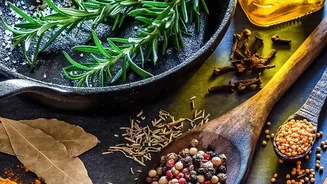
The tadka, or tempering of spices in hot oil, is the soul of many Indian dishes. However, you can unlock the aromatic oils of whole spices like cumin, coriander, and mustard seeds by dry roasting them in a hot pan before use. This technique releases their deep, toasty flavours effectively. Once the spices are fragrant, you can proceed with your recipe, often using just a splash of water or stock to cook your onion-tomato base instead of another layer of oil. For ground spices, which burn quickly, you can bloom them in a minimal amount of pre-heated oil for just a few seconds before adding other ingredients. This method ensures you get all the flavour without the excess fat.
Swap Oil-Based Marinades for Yogurt-Based Ones
Marinades are essential for flavouring and tenderising ingredients like paneer, chicken, and fish. Instead of using marinades that are heavy on oil, switch to a yogurt or curd base. Yogurt's natural lactic acid and calcium gently break down proteins, making meat exceptionally tender and juicy without the need for oil. A yogurt marinade also creates a delicious crust when cooked. Simply mix your favourite spices into plain yogurt, coat your ingredients, and let them marinate. This method is a staple in many cuisines for a reason: it delivers superior texture and flavour while keeping the dish light and reducing your reliance on expensive oils.
Swap Greasing Pans for Parchment or Steaming
Often, oil is used not as a flavour ingredient but simply to prevent food from sticking. For tasks like roasting vegetables or baking, lining your tray with parchment paper or a silicone mat completely eliminates the need to grease the surface. This is a direct, zero-effort swap. For vegetables that tend to soak up a lot of oil in the pan, such as potatoes, cauliflower, or bhindi, try a different approach. Partially steam or boil them first until they are slightly tender. Then, you can finish them in a pan with very little oil for browning. This two-step method drastically cuts down on oil absorption and also speeds up cooking time.
Swap Excess Sautéing Oil for Water or Broth
A common habit when sautéing onions, ginger, and garlic for a curry base is to add more oil as soon as the pan looks dry. A much cheaper and healthier technique is to use small splashes of water or vegetable stock to deglaze the pan. This liquid lifts the flavourful browned bits from the bottom and allows the masala to cook evenly without sticking. This 'water sauté' method can be used to cook your entire onion-tomato base, with just a minimal amount of oil added at the end for aroma if desired. It's a simple trick used in professional kitchens that builds deep flavour in everyday dals and sabzis without the need for several tablespoons of oil.