


Understanding the 'Danger Zone'
The core principle of food safety revolves around temperature. Specifically, it's about keeping food out of the 'Temperature Danger Zone'. According to food safety authorities like the US Department of Agriculture, this is the temperature range between
40°F (5°C) and 140°F (60°C). In this zone, bacteria can multiply at an alarming rate, sometimes doubling in as little as 20 minutes. Common culprits include Salmonella, E. coli, and other pathogens that can cause foodborne illness. The goal is simple: minimise the time your food spends in this danger zone. Cooked food should be kept hot (above 140°F or 60°C) until served, and cold food should be refrigerated at or below 40°F (4°C) as quickly as possible.
The Problem with Large, Deep Pots
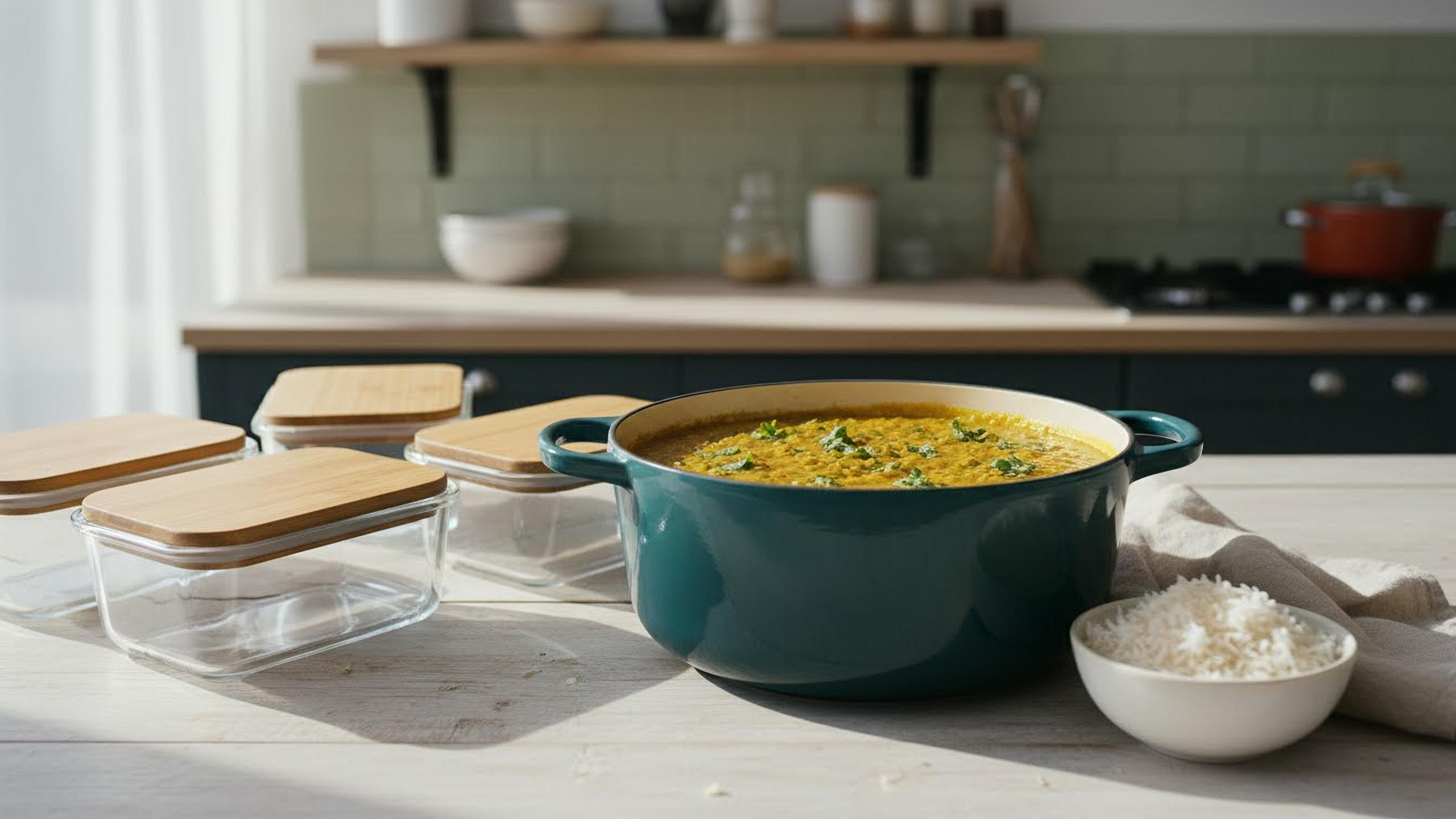
A large, deep pot of hot food is an excellent insulator. While the outside of the pot might feel cool in the refrigerator, the centre of the food can remain in the danger zone for hours. Think of a large batch of biryani or a thick stew. The heat trapped in the middle creates the perfect breeding ground for bacteria. Modern refrigerators are designed to maintain a cold temperature, not to rapidly cool large, hot masses. Placing a steaming pot inside can also raise the overall temperature of your fridge, putting other foods at risk. Food safety guidelines generally state that leftovers must be cooled and refrigerated within two hours of cooking. A large pot simply cannot cool down fast enough to meet this crucial deadline.
The Shallow Container Solution
The most effective way to cool food quickly is to increase its surface area. Instead of storing leftovers in the deep pot they were cooked in, divide them into several smaller, shallow containers. Food safety experts recommend a food depth of two to three inches or less. This allows heat to escape much more efficiently. Spreading rice on a baking sheet or pouring soup into a few smaller bowls are great examples of this principle in action. This simple step ensures that the entire batch of food moves through the temperature danger zone rapidly, getting it to a safe refrigerator temperature of 40°F (4°C) or below in the recommended time frame.
To Cover, or Not to Cover?
The question of covering hot food is a common point of confusion. A tight-fitting lid traps steam and heat, slowing down the cooling process. However, leaving food completely uncovered in the fridge risks cross-contamination from other items. The solution is a balanced approach. While the food is still very hot, you can let it sit for a short period to stop steaming. When you place it in the fridge, cover the containers loosely. You can use parchment paper or leave a corner of the lid ajar. This allows heat to escape while still offering protection. Once the food has completely cooled to refrigerator temperature, you can then seal the containers tightly for storage.
Quick Cooling Techniques
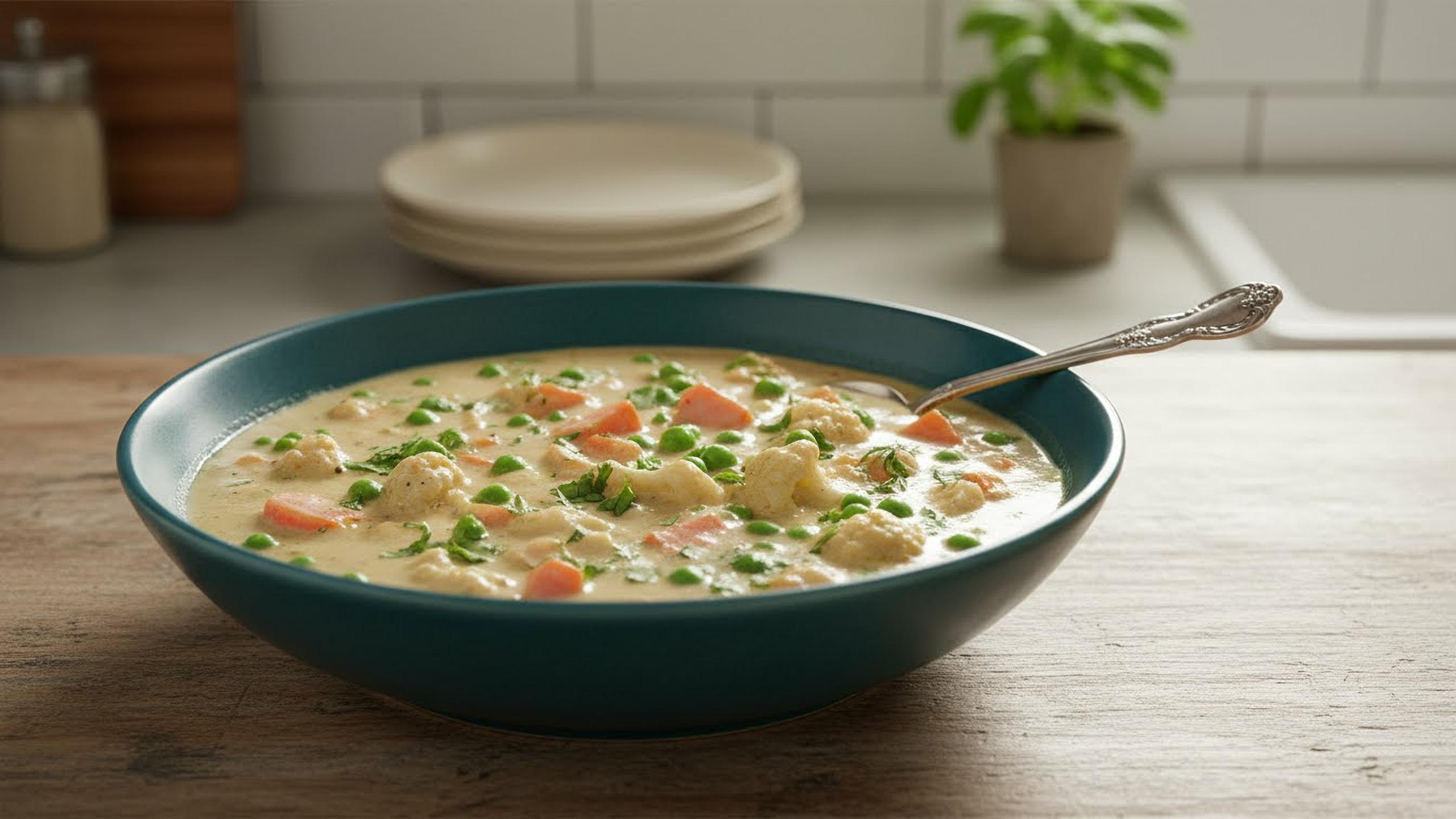
Besides using shallow containers, there are other methods you can use to speed up the cooling process, especially for liquid-based dishes like soups and dals. An ice bath is a highly effective technique used in professional kitchens. Place your smaller container of hot food into a larger bowl or sink filled with ice and water. Stirring the food frequently will help release heat even faster. Another trick for soups or sauces is to add ice as an ingredient. If you plan for this, you can make your dish slightly more concentrated and then use ice to both cool it and bring it to the final consistency. These active cooling methods ensure your food becomes safe for storage in the shortest time possible.