
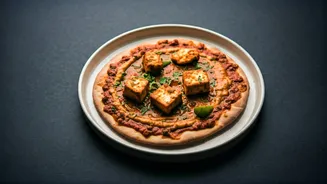


The Decline of a Buzzword
For years, 'fusion' was the hottest word in gastronomy. It promised innovation, a creative blending of culinary traditions from across the globe. [9, 11] At its best, it gave us exciting new combinations. At its worst, however, it became a lazy label
for confused menus that threw disparate ingredients together without a clear story or respect for their origins. [26, 30] The term became associated with muddled, nonsensical mashups, and diners grew weary of dishes that felt more like a gimmick than a thoughtful creation. [26, 27] This fatigue paved the way for a new culinary movement, one grounded not in combination, but in specificity.
The Rise of Hyper-Regionality
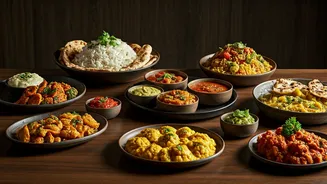
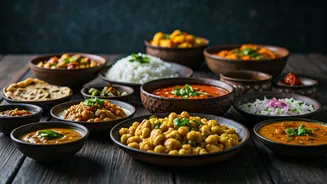
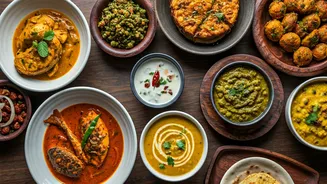
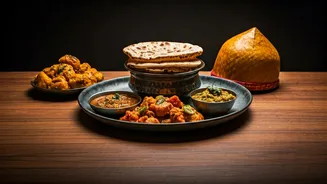
The new frontier for food lovers is 'hyper-regional' or 'micro-cuisine'. [2, 25] This isn't just about eating 'Italian'; it's about tasting the specific traditions of Sicily versus Tuscany. In an Indian context, it means looking beyond a generic 'curry' to discover the unique culinary identity of communities from Malabar, Nagaland, or Kathiawar. [1, 4, 10] This trend is driven by a powerful desire for authenticity and connection. [3, 8] Diners today want to know the story behind their food: the geography, climate, and culture that shaped it. [7, 16] It's an immersive experience that transports you to a specific place, making the meal a form of culinary travel. [2]
Chefs as Culinary Custodians
Chefs across India are at the forefront of this movement, acting as both innovators and historians. A new generation is looking inward, reviving forgotten recipes, championing indigenous ingredients, and celebrating the country's immense biodiversity. [4, 25] Chefs like Manish Mehrotra, Vanika Choudhary, and Niyati Rao are delving into rural culinary traditions and highlighting specific regional techniques. [1, 13] For example, Chef Prateek Sadhu's restaurant Naar in Himachal Pradesh is dedicated to exploring the intricacies of Himalayan food culture. [13] Similarly, others are showcasing the unique dishes of Parsi, Goan, or coastal South Indian communities, moving far beyond simplified interpretations. [1] This focus isn't just about flavour; it's about preserving cultural heritage and supporting local farmers and producers. [4, 13]
From a Niche to the Mainstream
What was once a niche interest is rapidly becoming a defining characteristic of the modern dining scene. Social media platforms like Instagram and TikTok have played a huge role, allowing regional specialities to gain global visibility almost overnight. [3, 7] Consumers are more curious and knowledgeable than ever. [16] They are actively seeking out restaurants that offer a distinct point of view, whether it's a menu focusing on the river fish dishes of Odisha or the wild herbs of Maharashtra. [4] This isn't just happening in fine dining; food delivery platforms and pop-ups are also making these specific regional cuisines more accessible to a wider audience. [5, 25] The demand is clear: diners are no longer satisfied with broad categories and are instead celebrating the nuances that make each region's food unique.