


A Modern, Minimalist Makeover
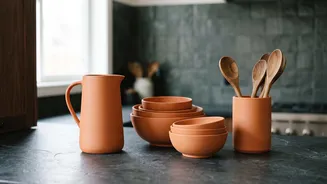
When you hear “terracotta,” you might picture the chunky, reddish-brown planters of the 1980s. But today’s trend is a world away from that. The terracotta capturing Gen Z’s attention is sleeker, more refined, and incredibly versatile. Designers are reimagining
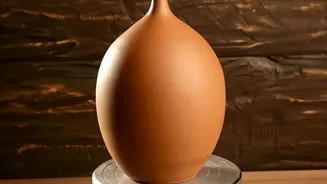
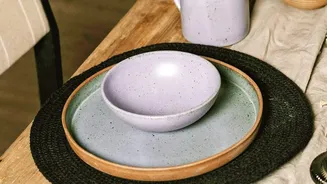
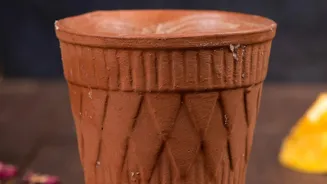
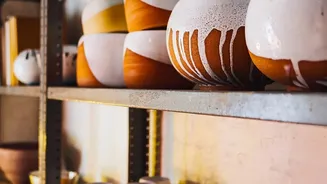
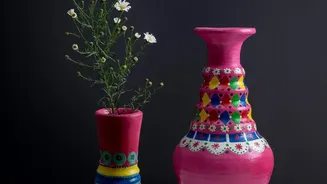
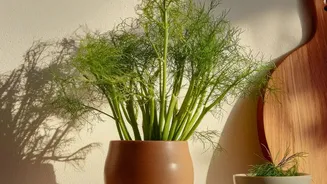
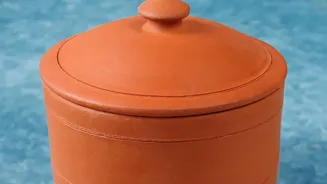
this ancient material—which translates to “baked earth”—in minimalist forms, with sculptural silhouettes and matte finishes. The color palette has expanded, too. While the classic warm, rusty hue remains popular, modern terracotta pieces now appear in shades from soft peach and cinnamon to deep ochre. This isn’t just about plant pots anymore; the trend encompasses everything from dinnerware and vases to lighting fixtures and decorative wall art. The new aesthetic moves terracotta from a purely rustic category into minimalist, Scandinavian, and contemporary spaces with ease.
An Antidote to Mass Production
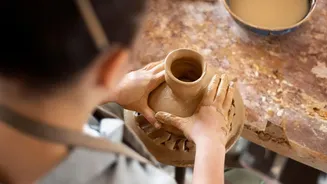
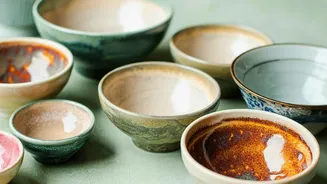
In an era of fast furniture and mass-produced everything, younger consumers are increasingly drawn to items with a story. Handcrafted pottery offers a powerful sense of authenticity and a connection to the maker. The subtle imperfections—the slight variations in shape, texture, or the trace of a fingerprint in the clay—are not seen as flaws but as marks of genuine craftsmanship. This desire for uniqueness is a direct response to a digital world saturated with flawless, filtered images. Owning a piece of handmade terracotta feels personal and real. It’s a way to bring a tangible, human element into the home, creating a space that feels curated and soulful rather than assembled from a catalogue. This shift reflects a broader search for meaning and a rejection of disposable culture.
Sustainability Baked Right In
For a generation deeply concerned with environmental impact, terracotta’s eco-friendly credentials are a significant part of its appeal. Made from natural clay, it is an abundant, biodegradable, and non-toxic material. The production process generally requires less energy compared to plastics or metals, aligning with a growing demand for sustainable and ethically produced goods. This focus on eco-conscious living means consumers, particularly Gen Z, are looking beyond aesthetics to the entire lifecycle of a product. Choosing terracotta is not just a design choice; it's a vote for materials that are kind to the planet. This trend towards natural materials is part of a larger movement known as biophilic design, which seeks to connect our indoor environments with the natural world for improved well-being.
The Soothing Power of Analogue
The rise of handmade pottery also taps into Gen Z's embrace of “slow hobbies” as a form of respite from digital fatigue. Activities like knitting, gardening, and ceramics have seen a huge resurgence, popularized on platforms like TikTok and Instagram, where process videos offer moments of calm and satisfaction. While not everyone is setting up a pottery wheel in their flat, the aesthetic and philosophy behind it resonate deeply. The act of creating something with one's hands is seen as therapeutic, and owning these objects can bring a similar sense of grounding and mindfulness into a home. Incense holders, ceramic diffusers, and other pottery items are used to create calming rituals and spaces for relaxation. The earthy, tactile quality of clay connects us to something elemental, offering a welcome contrast to the slick, cool glow of a screen.