





It’s one of the most audacious projects in history: collecting rocks on Mars and flying them back to Earth. But after hitting a wall of soaring costs and delays, NASA is hitting the reset button on its Mars Sample Return (MSR) mission.
An Ambitious Mission Hits a Wall
The goal of the
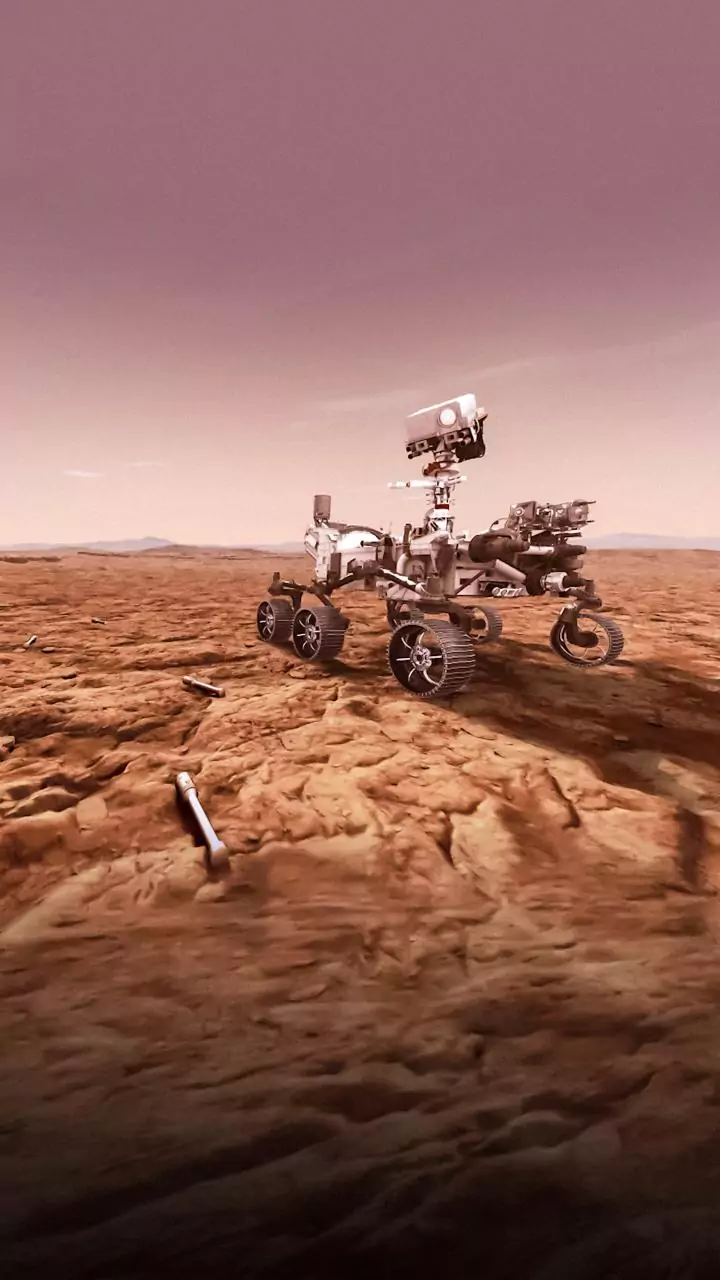
Mars Sample Return mission has always been as simple to state as it is complex to execute: bring back the samples being meticulously collected by the Perseverance rover. These samples, drilled from an ancient river delta, could hold the key to answering one of humanity’s biggest questions: was there ever life on Mars? The original plan, a collaboration with the European Space Agency (ESA), involved a lander, a small rocket to launch the samples into Mars orbit, and another spacecraft to catch the capsule and fly it home. However, an independent review found the plan had an 'unrealistic budget and schedule expectations from the beginning'. The projected cost had ballooned from around $4 billion to a staggering $8-11 billion, with the return date slipping into the 2030s, threatening to consume funds for other vital science missions.
Going Back to the Drawing Board
Faced with these overwhelming challenges, NASA has paused the original approach and announced a fresh start. In early November 2026, the agency detailed a new initiative called the Perseverance Sample Retrieval Architecture, or PSRA. This isn't just a minor tweak; it's a fundamental rethink of the entire process. A small, internal team of NASA scientists and engineers will kick off a year-long study in January 2027 to develop a new, more feasible plan. The goal is to review the lessons learned, evaluate current technologies from both NASA and the commercial space industry, and deliver impartial recommendations for a mission that is both achievable and affordable. A final report outlining the new path forward is expected in the winter of 2027-2028.
Why Bother with Martian Rocks?
While rovers like Perseverance can perform amazing science on Mars, they are limited by the tools they carry. Bringing samples back to Earth would allow scientists worldwide to analyze them with state-of-the-art equipment for decades to come. It's the difference between a field kit and a full forensic lab. These pristine samples could revolutionize our understanding of Mars' geology, climate history, and whether it ever harbored microbial life. Furthermore, analyzing the Martian dust and soil is critical for planning future human missions, helping to design spacesuits and understand potential health hazards for astronauts. Like the Apollo Moon rocks, which are still yielding new discoveries over 50 years later, these Mars samples would be a scientific gift that keeps on giving.
The Race to Return Samples
The push to revive the MSR mission is also unfolding against a backdrop of international competition. China is moving forward with its own ambitious Mars sample return mission, Tianwen-3, which aims to launch around 2028 and return samples to Earth as early as 2031. This has added a sense of urgency to NASA's efforts, with some in the space community framing it as a 'Sputnik moment'. For the United States and its partners, successfully completing the first mission to bring back samples from Mars is not just a scientific goal but a significant geopolitical achievement. The new PSRA team is tasked with finding a path that is not only faster and cheaper but also innovative enough to maintain American leadership in planetary exploration.