






What Recent Inspections Are Revealing
Recent enforcement drives by the Food Safety and Standards Authority of India (FSSAI) and state-level bodies have uncovered significant lapses in restaurants across the country, including in major cities like Bengaluru and Mumbai. Inspectors have found
everything from rotten meat and vegetables with fungal growth to expired products being stored for use. In a special drive inspecting three-star and five-star hotels in Bengaluru, officials seized and disposed of 132 kg of expired or rotten food items, including duck meat, fish, and chicken. Common violations frequently include improper segregation of vegetarian and non-vegetarian items, storing raw and cooked foods together, and failing to maintain proper temperatures, all of which create a high risk for cross-contamination and bacterial growth. These findings are not isolated to high-end establishments; similar issues have been flagged in iconic local eateries and food manufacturing units, prompting license suspensions and product recalls.
The Unseen Dangers of Poor Storage
Improper food storage is one of the gravest food safety violations because it directly enables the growth of dangerous microorganisms. Many foodborne illnesses are linked to poor temperature control. The FSSAI mandates that cold food be kept below 5°C and hot food above 60°C to stay out of the 'temperature danger zone,' where bacteria multiply rapidly. However, inspections frequently report faulty chillers, overcrowded freezers, and food left at room temperature for extended periods. Other serious risks come from cross-contamination, where bacteria from raw meat can transfer to ready-to-eat vegetables if they aren't stored separately. The discovery of pests like live insects, rodents, and even lizards near food storage areas in some inspected facilities highlights severe hygiene failures that can lead to widespread contamination and illness.
What 'Clean Food Storage' Actually Means
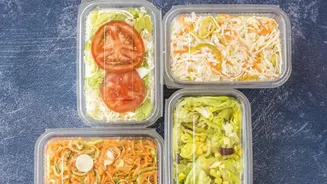
Clean storage isn't just about having a tidy pantry. It’s a systematic approach guided by FSSAI regulations to ensure food safety from receiving to serving. A key principle is proper segregation: vegetarian and non-vegetarian foods, as well as raw and cooked items, must be stored in separate, clean containers. The 'First-In, First-Out' (FIFO) principle is another crucial practice, ensuring that older stock is used before newer items to prevent spoilage. According to guidelines, all storage containers should be properly labelled and kept at least 15 cm off the ground to prevent contamination from the floor. The storage facility itself must be well-lit, clean, and frequently sanitised, with infrastructure like intact walls and pest-proof windows to prevent contamination.
Empowering the Aware Diner
While you can't walk into a restaurant's kitchen, there are clues that can signal a commitment to hygiene. The overall cleanliness of the dining area and, importantly, the washrooms, often reflects the standards maintained behind the scenes. Diners can also make use of the FSSAI's voluntary Hygiene Rating Scheme. Restaurants that participate in this program are audited and given a rating from one to five, which they can display on their premises. You can check a restaurant's rating on the official FSSAI portal. Though the scheme is voluntary, a visible high rating is a good indicator of a restaurant's commitment to safety. The absence of a rating doesn't automatically mean a place is unhygienic, but its presence provides an extra layer of confidence. The recent trend of unauthorized 'inspections' by social media influencers, however, is discouraged by restaurant associations and authorities, who state that official checks should be left to authorized government inspectors.