
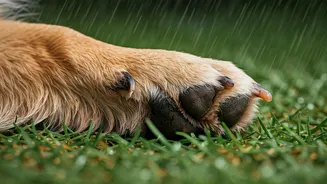
Why Damp Paws Are a Health Risk
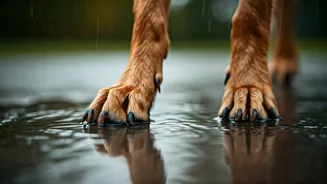
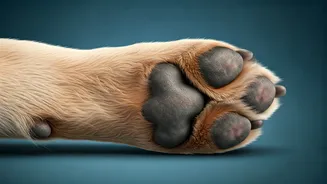
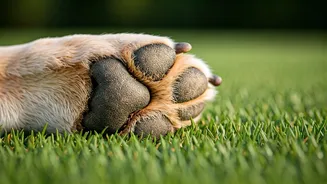
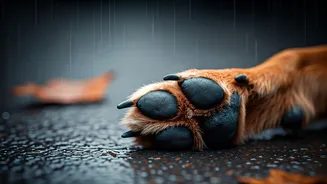
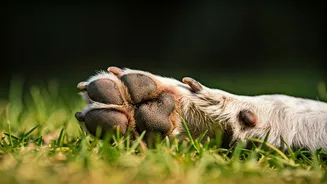
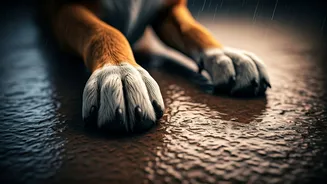
It’s easy to dismiss wet paws as a minor inconvenience, but the moisture trapped between your dog's paw pads creates a perfect warm, damp environment for harmful microorganisms to thrive. This can lead to a host of uncomfortable and sometimes painful
conditions. The most common culprits are bacteria, like Staphylococcus, and yeast, such as Malassezia. An overgrowth of these can cause pododermatitis, a general term for inflammation of the skin on the paws. This condition isn't just a simple rash; it can lead to persistent licking, redness, swelling, and even a foul or musty odor. In some cases, chronic moisture softens the skin, making it more susceptible to cuts, cracks, and the introduction of allergens and other irritants.
The Essential Toolkit for Dry Paws
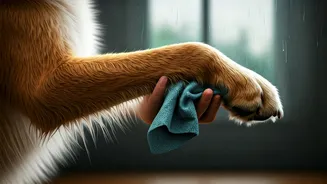
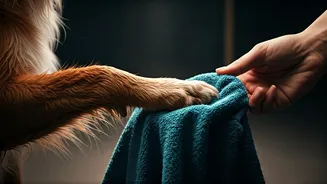
Having the right tools on hand makes the drying process quick and effective. You don’t need an extensive collection of gadgets, just a few key items. First, a highly absorbent towel is non-negotiable. Microfiber towels are excellent for this, as they soak up water much more efficiently than standard cotton towels. For a deeper clean before drying, especially after a muddy walk, gentle, pet-safe wipes can remove dirt and potential allergens without stripping the skin's natural oils. For long-haired breeds, keeping the fur between the toes trimmed short is a crucial preventative step, as it reduces the amount of moisture and debris that can get trapped. Some owners also consider using a blow dryer on a low-heat or cool setting, held at a safe distance, to ensure every last bit of moisture is gone. However, always introduce this tool slowly and positively to avoid frightening your dog.
A Step-by-Step Guide to Proper Paw Drying
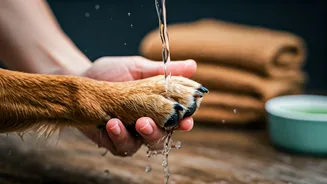
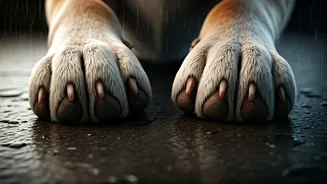
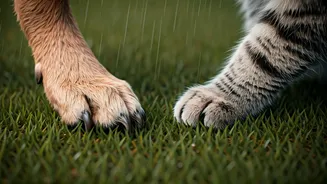
Thoroughness is the most important part of paw drying. A quick, superficial wipe isn't enough to prevent problems. Follow these steps every time your dog’s paws get wet—after walks in the rain, romps in dewy grass, or bath time. Start by using your absorbent towel to wipe down the main surface of each paw pad. Next, and most critically, gently separate each toe to dry the spaces in between. This is where moisture loves to hide and cause issues. Pat the area dry rather than rubbing aggressively, which can cause irritation. Once you've addressed all four paws, do a final check with your fingers to feel for any remaining dampness, especially in the crevices around the pads and nail beds. For dogs with thick fur, you may need to spend extra time ensuring the hair is completely dry down to the skin.
Signs of a Developing Paw Infection
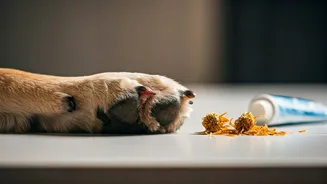
Even with diligent care, infections can sometimes occur. Knowing the early warning signs allows you to intervene quickly before the problem escalates. The most obvious sign is a change in your dog’s behavior. Be on the lookout for persistent licking, chewing, or biting at one or more paws. This is often the first indicator of irritation or itching. Upon inspection, you might notice redness and swelling, either on the pads themselves or in the skin between the toes. Another tell-tale sign is an unusual odor; yeast infections, for example, often produce a musty, sweet smell sometimes compared to corn chips. In more advanced cases, you might see a greasy discharge, pus, or brown discoloration on the fur from constant licking. If you notice any of these symptoms, it's a signal that home care isn't enough.
When to Consult Your Veterinarian
While proper drying is a great preventative measure, it's not a cure for an existing infection. If you spot the signs of an infection, it’s time to call your veterinarian. Professional diagnosis is essential because different causes require different treatments; what looks like a simple yeast infection could be bacterial, parasitic, or even related to an underlying allergy. You should seek prompt veterinary care if your dog is limping, seems to be in pain, or if the paw is rapidly swelling or has a foul-smelling discharge. Your vet can perform tests like skin scrapings or cultures to identify the exact cause and prescribe the appropriate topical treatments, medicated shampoos, or oral medications to resolve the issue effectively.