







An Echo of the Past, A Voice for the Future
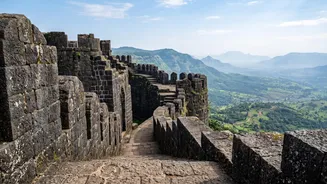
Maharashtra, often called the 'Land of Forts', is home to over 350 such structures, each a chapter in the sprawling saga of the Maratha Empire. While their strategic importance is well-documented, the human stories behind these ramparts often remain untold.
A recent five-day event held across key heritage sites aimed to change that. The programme, focused on training and certifying people from nearby villages as official heritage guides, marks a significant step in preserving both the monuments and the oral histories that surround them. This initiative is about more than just boosting tourism; it's about ensuring the tales of courage, community, and culture are passed down by those who have the deepest connection to them.
More Than a Tour, It's a Living History
Imagine standing at Pratapgad, not just hearing about the famous battle, but having a guide whose ancestors lived in the valley below share anecdotes passed down through generations. This is the core of the new guide program. These are not just history graduates reciting facts; they are farmers, small business owners, and young students from the very soil that nurtured these forts. The training equips them with formal historical knowledge and presentation skills, but their real magic lies in their personal connection. They can point to a hidden bastion and tell you a story their grandmother told them, or explain the local name for a particular watchtower. This infuses the visitor experience with an unparalleled authenticity that a standard tour can rarely match. The guides are trained to share history in English, Hindi, and Marathi, making these stories accessible to a wider audience.
The Forts Come Alive
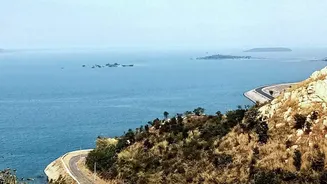
During the five-day launch, certified guides led groups through iconic locations like Raigad, the capital of Chhatrapati Shivaji Maharaj, and the formidable sea fort of Sindhudurg. Visitors learned not only about grand military strategies but also about the intricate water management systems, the daily lives of the soldiers, and the cultural significance of the temples within the fort walls. At Lohagad, known for its 'Scorpion's Tail' feature, guides brought the fort's 2,000-year history to life, from the Satavahanas to the Marathas. The initiative focuses on a holistic narrative, ensuring that visitors leave with a profound understanding of these sites as vibrant centers of life, not just as military outposts.
Empowering Communities, Preserving a Legacy
This movement is a powerful engine for local economic growth. By providing residents with respectable employment, it creates a direct stake in the preservation of their heritage. When locals benefit from tourism, they become the most passionate protectors of the monuments. This sustainable model was highlighted as a key goal following the successful bid to have 12 of Maharashtra's forts listed as a UNESCO World Heritage site in 2025. Officials noted that involving local communities is crucial for the long-term management and protection of these invaluable sites. The programme ensures that the economic benefits of increased footfall are distributed within the community, fostering a sense of pride and ownership.