





What Exactly Is a Warung?
Before you can eat at one, it helps to know what you’re looking for. A 'warung' is a small, often family-owned eatery in Indonesia. Forget fancy decor and glossy menus; a true warung is about simplicity, authenticity, and home-cooked food. These establishments
can range from a simple wooden stall on the roadside to a more permanent setup in the front room of a family’s home. While some modern cafes and restaurants use 'warung' in their name to sound local, a genuine warung is unmistakable for its humble setting and focus on traditional Indonesian dishes. It's where locals go for a quick, satisfying meal, making it the perfect place for a traveller to find the true flavour of Bali.
The Unbeatable Economics of Local Dining
The primary appeal of warungs for solo travellers is the incredible value. A full, hearty meal at a local warung can cost between IDR 25,000 and IDR 50,000, which is roughly $1.60 to $3.20 USD. Compare that to a meal at a Western-style cafe in a tourist hub like Canggu or Seminyak, where a single dish can cost three to five times more. By choosing to eat at warungs for most meals, a budget traveller can easily keep their daily food expenses under $10 USD. The reason for the low cost is simple: warungs use local ingredients, have minimal overhead, and cater to a local clientele, meaning they don’t have the inflated prices often found in tourist traps. It’s the single most effective way to manage your daily spending on the island.
A Guide to Must-Try Warung Dishes
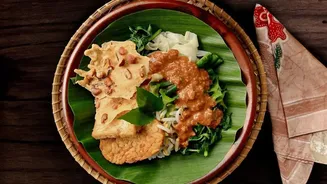
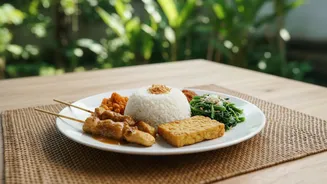
The heart of the warung experience is the food. The most common and approachable dish is Nasi Campur, or 'mixed rice'. Typically, you’ll be served a plate of rice and can then point to a variety of pre-cooked dishes displayed in a glass case. Options often include spiced meats, various vegetable dishes, fried tempeh, and boiled eggs. Other staples to look out for are Nasi Goreng (fried rice), Mie Goreng (fried noodles), and Sate (grilled skewers, often served with peanut sauce). For a uniquely Balinese specialty, try Sate Lilit, which is minced meat mixed with coconut and spices, wrapped around a lemongrass stalk. Don't be afraid to try a bit of everything; it's the best way to explore a wide range of local flavours in one sitting.
How to Find the Best and Safest Warungs
Finding a good warung is part of the adventure. The golden rule is to look for crowds, especially locals. A busy warung is a sign of good, fresh, and trusted food. Venture a block or two away from the main tourist streets, where prices are lower and the experience is more authentic. While hygiene can be a concern for travellers, most warungs are safe to eat at. Opt for places where the food turnover is high and, if possible, where you can see the food being cooked. Many warungs are renowned for a single specialty dish, and you'll often see Indonesians traveling across the island just to eat there—a sure sign of quality.
Warung Etiquette for the Solo Traveller
Eating solo at a warung is a relaxed and common affair. Ordering is often as simple as pointing to what you want. Don't worry if you don't speak Bahasa Indonesia; a smile and a gesture are usually enough. Utensils are typically a spoon and fork; it is customary to hold the spoon in your right hand and use the fork in your left to push food onto it. Payment is almost always made at the end of the meal at a central counter, and it's essential to have cash (Indonesian Rupiah), as very few small warungs accept credit cards. If you're concerned about spiciness, you can ask for the sambal (chili paste) on the side ('tidak pedas' means 'not spicy').