





Why Your Workout Needs Electrolytes
Before we mix our drink, let's talk about why it works. When you exercise, you don't just lose water through sweat; you also lose essential minerals called electrolytes. The most important ones for exercise are sodium and potassium. These minerals are crucial
for maintaining proper fluid balance, enabling nerve signals, and ensuring your muscles contract correctly. An imbalance can lead to fatigue, muscle cramps, and decreased performance. While plain water hydrates, it doesn't replace these lost minerals. This is where a well-formulated electrolyte drink comes in, helping your body absorb and retain fluid more effectively.
Coconut Water: Nature's Hydration Base
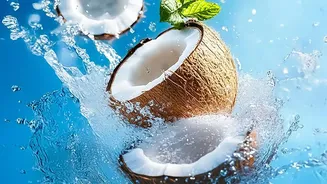
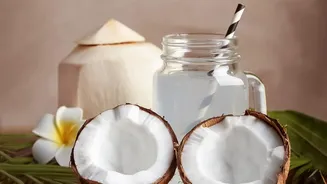
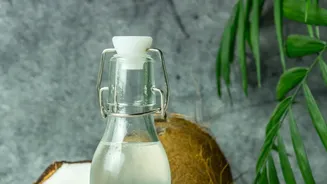
Coconut water is often called 'nature's sports drink' for good reason. It's the clear liquid found inside young, green coconuts and is naturally packed with electrolytes. Its standout feature is its high potassium content, which is often much greater than what's found in commercial sports drinks. Potassium plays a key role alongside sodium in regulating fluid inside and outside your body's cells. Coconut water also provides other beneficial minerals like magnesium and calcium in smaller amounts. It's naturally low in sugar and calories compared to many processed beverages, making it a clean, refreshing foundation for our homemade energy drink.
The Power of a Pinch of Rock Salt
While coconut water is rich in potassium, it is naturally lower in sodium. Sodium is the primary electrolyte you lose through sweat, and it's vital for fluid retention and muscle function. This is why adding a pinch of salt is not just for taste—it's for function. We recommend using rock salt, known in India as Sendha Namak. Considered a purer form of salt in Ayurveda, it is minimally processed and retains trace minerals. Adding rock salt helps create a more complete electrolyte profile, similar to what your body loses during a moderate workout, ensuring you rehydrate more effectively than with coconut water alone.
Lemon: The Zesty Finisher
The final ingredient, a squeeze of fresh lemon, does more than just add a refreshing citrus flavour. Lemon juice is a great source of Vitamin C, an antioxidant that helps protect your body's cells from stress. While its primary role here is to make the drink more palatable and refreshing, some believe its alkaline effect after digestion can help balance the body's pH levels. This zesty kick transforms the drink from a simple hydrator into a truly enjoyable beverage that you'll look forward to after a workout.
Your Simple, Go-To Recipe
Ready to make your own? It couldn't be simpler. You don't need a blender or any special equipment. For a single serving, follow this ratio:
- 1 glass (approx. 250 ml) of unsweetened coconut water
- A generous pinch of rock salt (Sendha Namak)
- The juice of half a lemon
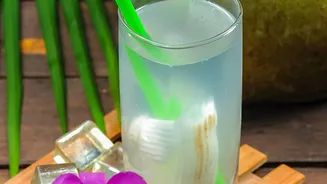
Combine all ingredients in a glass or bottle and stir or shake well until the salt has completely dissolved. You can adjust the amount of salt and lemon to your personal preference. For a sweeter taste or for more intense workouts, a small dash of raw honey can be added to provide some quick-absorbing carbohydrates. Serve it chilled for the ultimate refreshing experience.
When to Choose This Natural Drink
This homemade electrolyte drink is ideal for rehydrating during or after light to moderate exercise, such as a gym session, a brisk walk, a yoga class, or a short run. It effectively replenishes fluids and key minerals lost through sweat without the artificial colours, flavours, and high sugar content of many commercial sports drinks. Studies show that for most regular exercise, coconut water-based drinks can be just as effective for hydration as their manufactured counterparts. However, for elite athletes or those engaged in very long and intense endurance activities (over 90 minutes), a specialised sports drink with a higher sodium and carbohydrate content might be necessary to meet their specific performance demands.