







The Rise of the Protein Snack
Walk down any supermarket aisle, and you'll see protein-packed versions of everything from bars and cookies to chips and shakes. Their popularity has soared, and for good reason. Protein is essential for repairing tissues, supporting the immune system,
and building muscle. It also promotes fullness by slowing digestion and stabilising blood sugar levels, which can help manage cravings and support weight goals. For busy individuals, a protein bar or shake seems like a guilt-free, convenient way to stay fueled between meals. This 'health halo' makes them an easy choice for anyone trying to make better dietary decisions without sacrificing convenience.
How Much Protein Do You Actually Need?
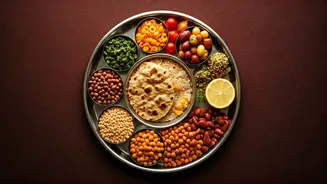
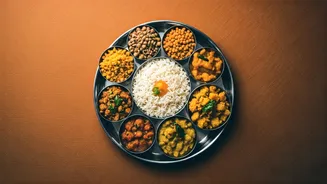
The marketing push behind these snacks can make it seem like you need a huge amount of protein, but most people’s requirements are more modest. According to the Indian Council of Medical Research (ICMR), a healthy, sedentary adult needs about 0.83 grams of protein per kilogram of body weight. For a person weighing 60 kg, that’s about 50 grams per day. This number is often achievable through a balanced diet of dals, legumes, paneer, eggs, and meat. Active individuals or those who lift weights may need more—typically between 1.2 to 1.7 grams per kilogram of body weight—to aid muscle recovery. However, many people overestimate their needs, a misconception fuelled by the snack industry.
The 'Too Much of a Good Thing' Problem
While protein is vital, consuming it in excess offers no additional benefits and can carry risks. Studies show that the body can generally only use about 15-30 grams of protein at one time for functions like muscle repair. Anything beyond that can simply be converted and stored as fat if it pushes your daily calorie intake too high. More serious concerns with consistently high protein intake include potential kidney strain, particularly for those with pre-existing kidney conditions. Other reported side effects of overconsumption can include digestive issues, excessive thirst, and fatigue. Your body doesn't store protein for later use like it does with fats and carbs, so a steady, moderate intake throughout the day is more effective than a single, massive dose from multiple snacks.
The Candy Bar in Disguise
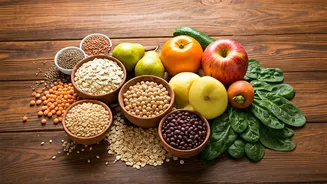
A major pitfall of relying on processed protein snacks is that many are not as healthy as they appear. To make them palatable, manufacturers often load them with hidden sugars, unhealthy fats, and artificial sweeteners. A recent analysis found many so-called 'healthy' snack bars contain excessive sugar, with some approaching the calorie count of a small meal. Always read the nutrition label. Look for sugars listed under other names like cane syrup, rice syrup, or fructose. A good rule of thumb is to choose products where protein grams are higher than sugar grams. Often, a whole-food snack like Greek yogurt, a hard-boiled egg, or a handful of nuts is a much healthier and more balanced choice.
Smart Snacking Strategies
Protein snacks can still be a valuable part of your diet if you approach them with mindfulness and discipline. The key is portion control. Instead of eating directly from a large package, portion out a single serving into a small bowl or container. Using smaller plates can also trick your brain into feeling satisfied with less. Before reaching for a snack, drink a glass of water; sometimes we mistake thirst for hunger. Planning ahead is also crucial. Pre-portioning snacks for the week, like hard-boiling a batch of eggs or dividing nuts into small bags, makes the healthy choice the easy choice during a busy day. By treating protein snacks as a deliberate part of your diet rather than an unlimited 'free food', you can enjoy their benefits without the downsides.