


Beyond a Weather Forecast
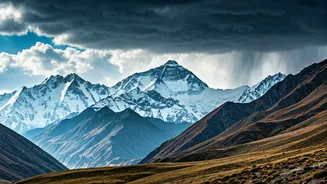
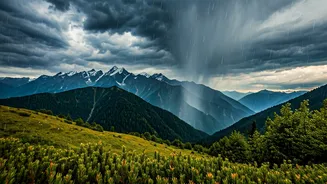
When we hear about 'early rains' or 'western disturbances' in the Himalayas, it's easy to dismiss it as a niche meteorological event. But for the millions living in states like Himachal Pradesh, Uttarakhand, and Jammu & Kashmir, these are not just weather
patterns; they are seismic shocks to their daily existence. The predictable, centuries-old seasonal clock is broken. Climate change is manifesting not just as a global threat but as a very local, personal disruption. What was once a reliable cycle of snow, sun, and rain has become a chaotic and unpredictable force, rewriting the rules for everything from farming to travel.
The Apple Cart Upset
Consider the apple, the backbone of Himachal Pradesh's economy. The entire life cycle of this fruit is a delicate dance with the seasons. Farmers require a specific number of 'chilling hours' in winter for the trees to break dormancy properly. But erratic weather brings warmer winters and unseasonal rain during the crucial flowering period in spring. This rain washes away pollen, prevents bees from pollinating, and encourages fungal diseases like scab. The result? A catastrophic drop in fruit production, smaller and lower-quality apples, and devastating financial losses for entire communities. The apple on your plate is becoming a luxury, not because of demand, but because its very existence is threatened by a confused climate.
Tourism Out of Season
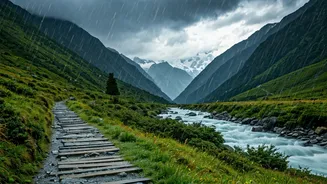
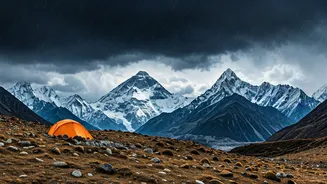
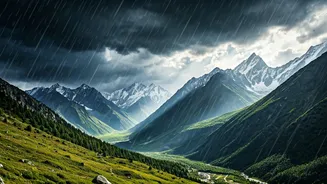
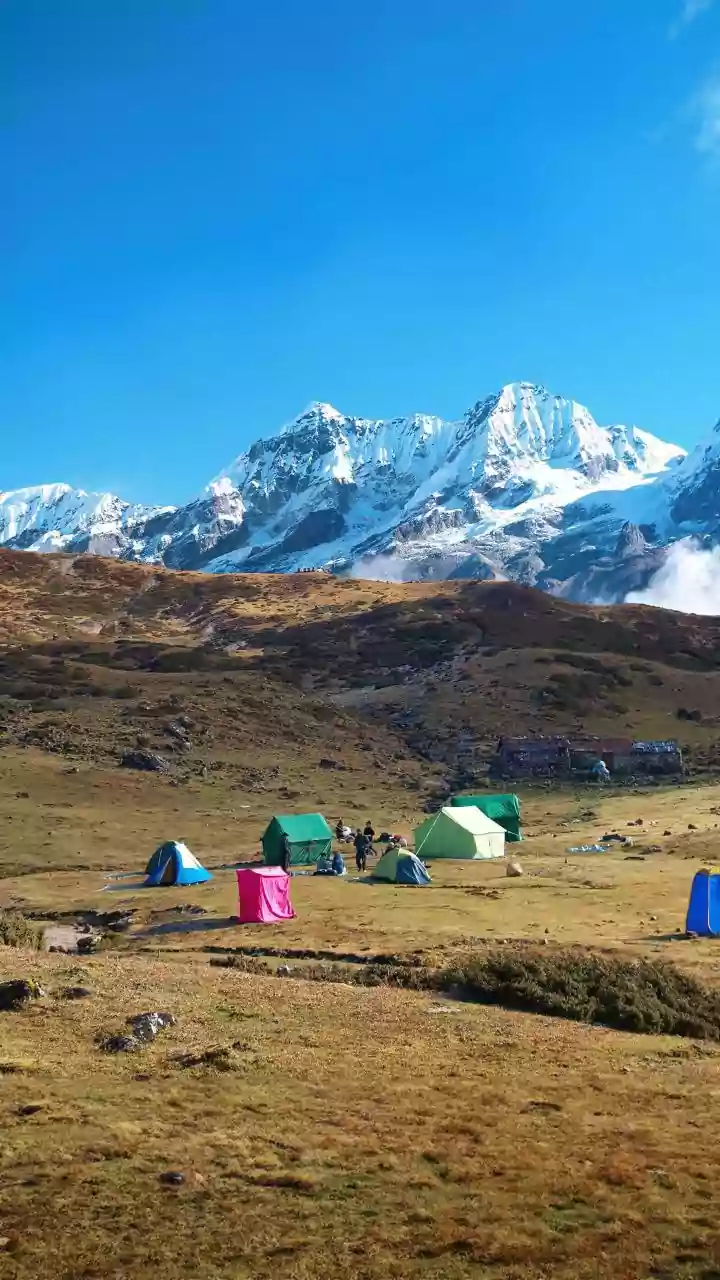
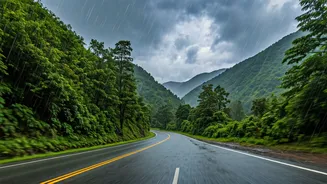
The Himalayan tourism industry, another economic pillar, is built on the promise of predictable beauty and adventure. Trekkers plan for clear post-monsoon skies in October. Pilgrims time their journeys to the Char Dham yatra for safe passage in summer. Families book holidays expecting sunny days in mountain resorts. Early and intense rainfall throws all of this into chaos. Trekking routes become treacherous mudslides, pilgrimages are halted, and holidays are ruined by incessant downpours. The economic ripple effect is immense, hitting hoteliers, taxi drivers, guides, and small shop owners who depend entirely on seasonal tourist footfall. The 'season' is no longer a reliable concept, making business planning a gamble.
A Strain on Daily Life
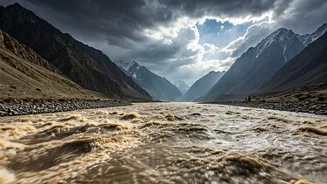
Beyond the big economic drivers, the disruption to the water cycle fundamentally alters daily life. Traditionally, Himalayan glaciers and winter snowpack act as natural water towers, melting slowly to feed rivers and springs throughout the dry summer months. When precipitation falls as rain instead of snow, this natural reservoir isn't replenished. The rain runs off quickly, causing flash floods in the short term and severe water scarcity just a few months later. Communities face a cruel paradox: too much water when they don't need it, and not enough when they do. This puts immense pressure on everything from drinking water supply to irrigation for staple crops, adding a layer of constant anxiety to mountain living.
Cultural Calendars Redrawn
Perhaps the most profound impact is on culture. Across the Himalayas, festivals, traditions, and social calendars are intricately woven with the seasons of sowing and harvesting. When those seasons shift, so does the cultural fabric. A harvest festival feels hollow when the harvest has failed. A sowing ritual loses its meaning when the rains are a month early. These are not just quaint traditions; they are the rhythms that bind communities together. As the weather becomes more erratic, this shared cultural timing frays, leaving a sense of dislocation and a break in the chain of generational knowledge passed down through the seasons.