


Decant and Seal Immediately
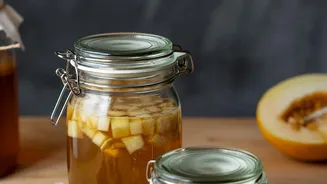
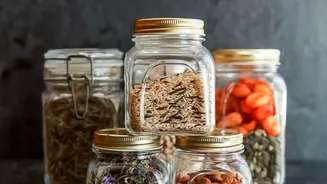
The original paper or plastic bags that bulk items like rice, flour, and lentils come in are not designed for long-term storage. As soon as you open a large pack, your first step should be to transfer the contents into airtight containers. This is the most
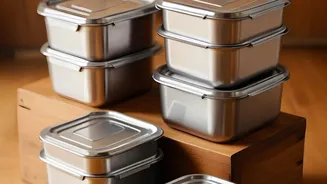
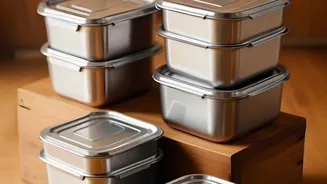
critical move to protect your food from its three main enemies: air, moisture, and pests. Air exposure leads to oxidation, which can make foods like whole-wheat flour and nuts turn rancid. Moisture is particularly damaging in humid climates, causing flour to spoil, sugar to clump, and spices to lose their potency. Using food-grade plastic, glass, or stainless steel containers with secure seals will preserve freshness, flavour, and quality for months.
A Cool, Dark, and Dry Home
Where you store your containers is just as important as the containers themselves. The ideal location for most dry goods is a cool, dark, and dry pantry or cupboard. Heat and light accelerate spoilage, so avoid storing items near the stove, oven, or a sunny window. Spices are especially sensitive; heat can degrade their essential oils and bold flavours rapidly. Storing items directly on the floor is also a mistake, as moisture can rise from the ground. For items with higher oil content, like brown rice or whole-wheat flour, consider storing them in the refrigerator or freezer to significantly extend their shelf life by preventing the oils from going rancid.
Divide and Conquer Your Stock
A 10kg bag of rice or flour can be overwhelming. Instead of keeping the entire quantity in one giant container, consider a 'divide and conquer' approach. Keep a smaller, countertop-friendly airtight container with enough of the ingredient for a week's use. Store the rest of the bulk supply, sealed tightly, in the pantry or even the freezer. This reduces the number of times the main supply is exposed to air and potential contamination. You can portion out the larger bag into several smaller sealed bags or containers. This method also works well for freezing; portioning items like flour or nuts into freezer-safe bags allows you to take out only what you need, preventing moisture from condensation on the larger batch.
Label Everything, Waste Nothing
When all your containers look the same, it's easy to lose track of what's inside and when you bought it. Simple labels can save you time and prevent waste. Always label your containers with the name of the ingredient and the date you opened it. This helps you follow the 'first-in, first-out' principle, ensuring you use up older stock before opening a new batch. Mixing old and new batches of grains like dal is not recommended, as it can transfer moisture and any potential pests from the older stock to the fresh supply. A clear labelling system turns your pantry from a zone of forgotten food into an efficient, rotating library of ingredients.
Get Creative with the Surplus
Even with the best storage plan, you might find yourself with an excess of an ingredient that needs to be used. This is where meal planning and creativity come in. If you have vegetables that are starting to wilt, they can be chopped and used to bulk up soups, stews, or curries. Stale bread can be transformed into croutons or breadcrumbs, while leftover rice makes perfect fried rice. Fruits that are becoming soft can be blended into smoothies, cooked down into compotes, or frozen for later use. Thinking of your surplus not as a problem but as an opportunity for a new dish can drastically reduce food waste and make your bulk purchases even more economical.