

More Than a Limited-Time Offer
In the past, a festival menu might have seemed like a simple, temporary addition to drive sales. Today, for a growing number of Indian restaurants, it’s a cornerstone of their annual calendar and a defining element of their brand. Think of the city-wide
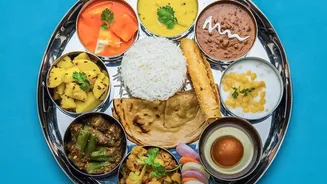
anticipation for the Onam Sadhya, an elaborate vegetarian feast served on a banana leaf to mark Kerala's harvest festival. Restaurants across India now plan for this event months in advance, with some establishments becoming famous specifically for their rendition of the 25-plus dish meal. Similarly, Navratri thalis, which cater to fasting requirements with specific grains and no onion or garlic, are no longer a niche offering. For nine nights, many restaurants transform their service to focus on these extensive platters, building a reputation among devotees and foodies alike. This approach turns a festival into a signature event, creating a tradition that customers return for year after year.
The Quest for Authentic Experiences
This shift is largely driven by the modern diner. Today’s customers are looking for more than just a meal; they want a story and an experience. Festivals provide a perfect platform for restaurants to offer a genuine cultural immersion. An authentic Onam Sadhya or a traditional Navratri thali is a culinary journey that tells a story about a region's history, agriculture, and rituals. Diners are more curious and knowledgeable than ever, thanks to social media and a booming interest in regional Indian cuisines. They appreciate the effort that goes into sourcing specific ingredients and honouring traditional recipes. By presenting these meals with care and context, restaurants are not just serving food; they are acting as cultural curators, offering a taste of a tradition that might otherwise be confined to homes.
Good for Culture, Great for Business
While culturally enriching, this strategy is also rooted in sound business logic. Festivals represent natural marketing moments that drive significant economic activity. Tying a promotion to an event like Diwali, Onam, or Navratri gives restaurants a built-in audience and a clear reason to attract customers, often leading to noticeable revenue spikes. It allows chefs to be creative and break from the monotony of the regular à la carte menu, showcasing their skills with unique, seasonal produce. Furthermore, using seasonal ingredients is cost-effective. Produce that is in season is fresher, tastier, and more affordable, which helps restaurants manage their food costs—a critical factor in an industry with tight profit margins. These special menus also create social media buzz and generate a sense of urgency, encouraging both new and loyal customers to visit before the limited-time experience is gone.
The Challenge of Authenticity
Embracing a festival as a core part of one’s identity is not without its challenges. The primary risk is a failure to be authentic. Today’s diners can easily spot a half-hearted attempt. A successful festival menu requires deep research, sourcing of specific and often rare ingredients, and precise execution of complex traditional recipes. For example, a proper Sadhya requires dozens of components to be prepared and balanced perfectly. If a restaurant gets it wrong, it risks criticism from patrons who have grown up with these dishes. It demands significant effort from the kitchen and service staff, who must be trained to explain the dishes and the traditions behind them. It's a high-effort, high-reward strategy that, when done right, builds immense trust and credibility, but when done poorly, can alienate the very customers it aims to attract.