

1. Layer with Lush Textiles
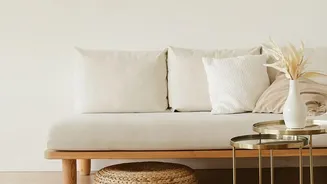
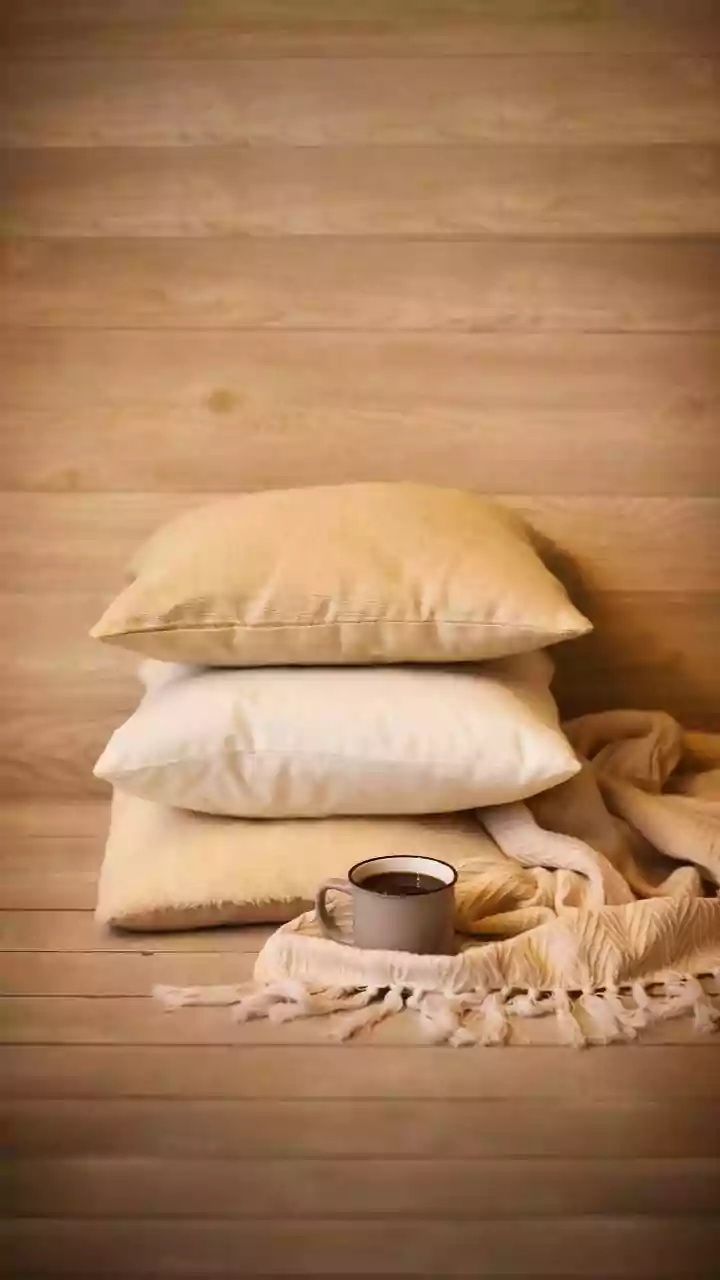
The simplest way to introduce texture is through textiles. Think about layering different materials to create a rich, tactile experience. Start with your sofa and beds. Mix and match cushions made from different fabrics like chunky knits, smooth silk,
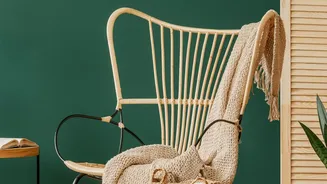
or plush velvet. A heavy wool or faux fur throw blanket draped over an armchair adds instant cosiness. Don’t forget your windows and floors. Lightweight linen curtains can soften a room while allowing light to filter through, and a high-pile or shag rug provides a soft, luxurious feeling underfoot, contrasting beautifully with a hard floor.
2. Embrace Natural Fibers
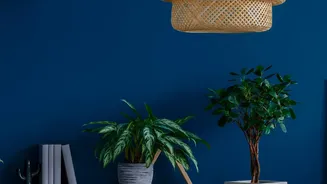
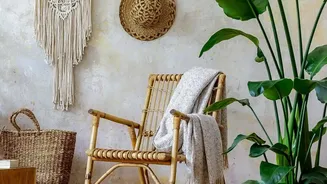
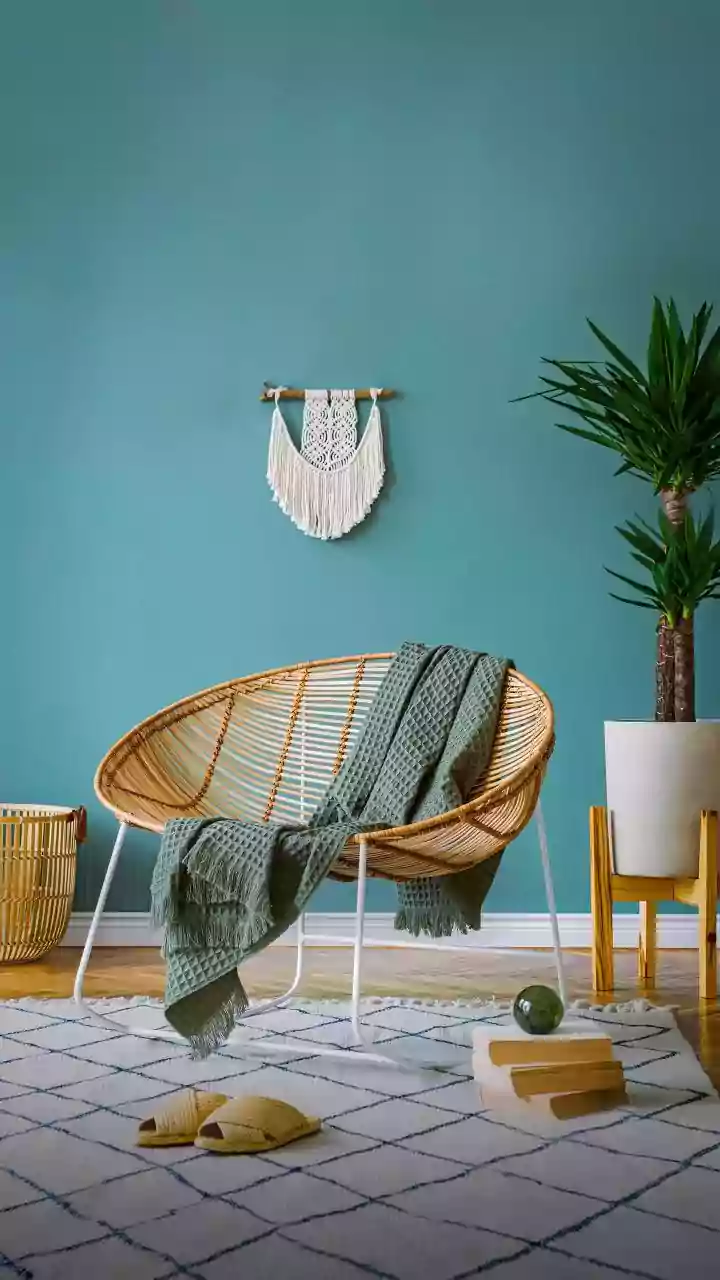
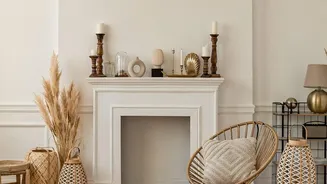
Bring the outdoors in with decor made from natural, earthy materials. Woven items made from jute, rattan, wicker, and sisal are hugely popular for their ability to add a rustic, organic feel to any space. This could be a large jute rug that grounds your living area, a wicker armchair that creates a cosy reading nook, or rattan baskets used for stylish storage. Even small touches, like a bamboo plant stand or a mirror framed with woven seagrass, can introduce a new textural element that breaks up the monotony of smooth surfaces. These materials pair wonderfully with both modern and traditional decor.
3. Add Dimension to Your Walls
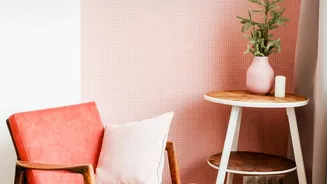
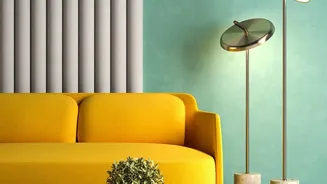
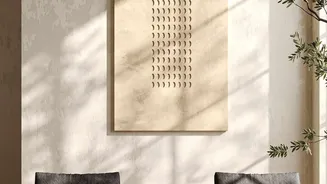
Don't let your walls be an afterthought. Moving beyond a simple coat of paint can dramatically alter the character of a room. Textured wallpapers, such as those with embossed or raised patterns, can create a subtle or dramatic effect. For a more modern and striking look, consider 3D wall panels. These come in a variety of geometric and abstract designs and can turn a plain wall into a piece of art, playing with light and shadow to create depth. If you prefer a more organic feel, wall finishes like limewash or Venetian plaster provide a soft, chalky texture that adds a sense of history and movement.
4. Choose Tactile Furniture
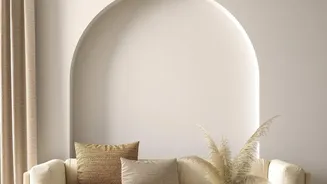
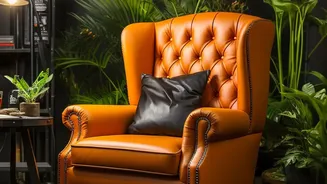
The furniture you choose is a major opportunity to add texture. Look for pieces upholstered in fabrics with a distinct feel. Bouclé, a fabric made of looped yarn, has become a designer favourite for its cosy, teddy-bear-like texture and sophisticated look. A curved bouclé sofa or armchair can act as a soft, sculptural centrepiece in your living room. Other materials like velvet add a touch of glamour and softness, while leather introduces a sleek, smooth texture that ages beautifully. Don't overlook wood, either. A coffee table or sideboard with a prominent, rough-hewn wood grain brings natural, rustic texture into a room.
5. Finish with Sculptural Objects
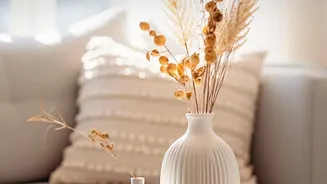
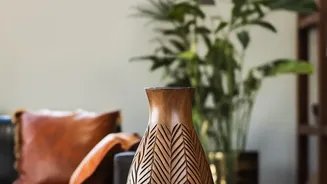
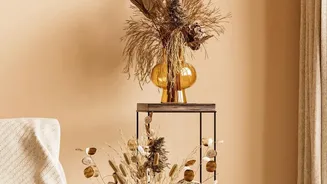
Finally, use decorative accessories to add the finishing layer of texture. These small details can have a big impact. Look for sculptural ceramic vases with a matte or ribbed finish, decorative bowls made from stone or marble, and candlesticks with interesting shapes. Even the way you display books can add texture. Instead of lining them up perfectly, try stacking them. Mixing in different objects among your plants and on your shelves—like wooden beads, glass objects, or small metal sculptures—creates visual interest and invites touch. The key is to mix rough with smooth, shiny with matte, to create a balanced and dynamic space.