





The 'Skinification' of Hair Care
If you’ve walked down a beauty aisle recently, you’ve likely noticed a shift. Bottles that look suspiciously like your favourite face serums are now sitting in the hair care section. This is the 'skinification' of hair: the growing understanding that the health
of your hair is directly linked to the health of your scalp. For years, we’ve focused on masking hair problems with conditioners and styling products that coat the hair shaft. This new approach goes to the root of the issue—literally. The idea is simple: treat the skin on your head with the same sophisticated, ingredient-led approach you use for the skin on your face. This means moving beyond a simple shampoo and conditioner routine to incorporate targeted treatments like exfoliants, hydrators, and balancers.
Your Scalp Is Skin, After All
It sounds obvious, but it’s a detail we often overlook. Your scalp is a living ecosystem with pores, sebaceous glands that produce oil, and a natural cycle of cell turnover, just like your face. In fact, the skin on your scalp is some of the thickest on your body and has a higher density of hair follicles and oil glands. When this ecosystem is out of balance—whether it’s too oily, too dry, or clogged with product buildup and dead skin cells—it can’t provide the optimal environment for hair growth. Think of your scalp as the soil in a garden. You can’t expect to grow vibrant, healthy plants (your hair) from depleted, unhealthy soil. By nourishing the scalp, you’re creating the foundation for stronger, shinier, and healthier hair follicles to thrive.
Skincare Superstars for Your Scalp
The reason scalp serums are being called 'skincare for hair' is that they borrow hero ingredients directly from the skincare world. Here are a few common ones you'll see and why they work: - **Hyaluronic Acid:** Just as it plumps and hydrates your face, this powerful humectant draws moisture into the scalp, combating dryness, flakiness, and itchiness without making it greasy. - **Salicylic Acid (BHA):** A go-to for oily and acne-prone facial skin, this chemical exfoliant dissolves excess oil and breaks down the bonds holding dead skin cells and product buildup to the scalp's surface. This helps clarify the scalp and unclog hair follicles. - **Niacinamide (Vitamin B3):** This multi-tasking wonder helps regulate sebum (oil) production, reducing greasiness over time. It also has anti-inflammatory properties that can soothe an irritated scalp and strengthen the skin barrier. - **Peptides & Antioxidants:** Much like in anti-ageing skincare, peptides can help support collagen production in the scalp for better follicle anchoring, while antioxidants like Vitamin C protect the scalp from environmental stressors like pollution and UV damage.
How to Use a Scalp Serum
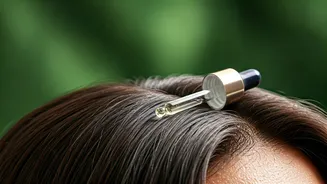
Integrating a scalp serum into your routine is simpler than it sounds. Most are designed with a dropper or nozzle for easy application. The best time to apply one is typically on clean, towel-dried hair after washing, as this is when your scalp is most receptive to absorbing the ingredients. Part your hair into sections and apply a few drops directly onto the scalp, not the hair. Gently massage it in with your fingertips for a minute or two to ensure even distribution and to stimulate blood flow. Most serums are lightweight and leave-in, meaning you don't need to rinse them out. The frequency depends on the product and your scalp’s needs—some are gentle enough for daily use, while others with potent exfoliants might be best used 1-2 times a week.
Do You Really Need One?
While not everyone needs a ten-step hair routine, anyone can benefit from paying more attention to their scalp. If you struggle with specific issues like persistent dryness, excessive oiliness, itchiness, or product buildup that a good shampoo can’t fix, a targeted scalp serum can be a game-changer. For those with a relatively balanced scalp, using a hydrating or antioxidant serum can be a great preventative measure to maintain a healthy foundation for hair growth. Look for formulas that match your concerns: hydrating ingredients for a dry, tight scalp, and clarifying acids for an oily, congested one. It’s less about adding another complicated step and more about being mindful of what your scalp is telling you.