




Beyond the Blockbuster Sights
The allure of Europe's superstar attractions is undeniable. Seeing the Colosseum at dusk or the Mona Lisa's enigmatic smile is a rite of passage for many travellers. Yet, a trip focused solely on these blockbuster landmarks can sometimes feel like a highlights
reel, lacking the depth and texture of real life. This is where the travel trend of seeking authentic, immersive experiences comes in. Modern travellers increasingly crave a genuine connection to the places they visit, prioritising meaningful moments over a packed itinerary. This means stepping away from the crowds and into the spaces where local life unfolds. By swapping a long queue at a major gallery for an hour in a small regional museum or a bustling street market, you trade a passive viewing experience for an active, engaging one that provides a richer, more lasting understanding of your destination.
History with a Human Scale
While national museums tell the grand story of a country, regional museums tell the stories of its people. These smaller institutions are custodians of local identity, preserving the artifacts, industries, and traditions that give a place its unique character. Imagine visiting the Museum of Country Life in Ireland to understand the resilience of rural communities after the Great Famine, or the Musée Basque in Bayonne, France, to explore the distinct cultural heritage of the Basque people. These museums offer an intimate and tangible connection to the past that can be more relatable than sprawling national collections. They showcase everything from locally made textiles and tools to the personal histories of residents, providing invaluable context to the landscape you see outside its walls. It’s history on a human scale, allowing you to connect with the specific story of a town or province.
A Taste of Place at Local Markets
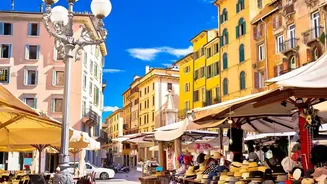
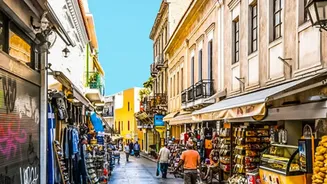
There is no better place to understand a region's soul than its central market. These are not just places to buy groceries; they are living, breathing ecosystems of local culture. Stalls overflowing with seasonal produce tell you what the land provides, while the local cheeses, cured meats, and baked goods offer a direct taste of culinary tradition. A walk through the Rialto Fish Market in Venice reveals the city's deep connection to the Adriatic Sea, while the stalls at La Boqueria in Barcelona showcase the bounty of Catalonia. Unlike a restaurant meal, a market visit is an interactive experience. You can talk to vendors, learn where the food comes from, and observe the daily rituals of local shoppers. This simple act provides a snapshot of the local economy, diet, and social life all at once.
Conversations, Crafts, and Community
Beyond food, Europe’s flea markets and craft stalls are treasure troves of culture and connection. Whether it’s the Portobello Road Market in London, known for its antiques, or a small town’s weekly flea market, these spaces are about more than just shopping. They are where you can find handmade goods that reflect generations of skill and interact directly with the artisans who made them. These conversations, however brief, can become cherished travel memories. You might learn the story behind a vintage postcard or discover the traditional techniques used to make a piece of pottery. This is where you find souvenirs with a soul—unique items that carry a story and a direct connection to the person who created them. Supporting these vendors also means you are contributing directly to the local economy and helping to preserve cultural heritage.
How to Find These Local Gems
Finding these authentic experiences is easier than you might think. Start by looking beyond the top-rated tourist attractions on travel apps. Instead, search for a city's 'mercato centrale' (central market), 'saluhall' (market hall), or simply 'weekly market'. For museums, look for city or regional history collections, often named after the town or province itself. Don't be afraid to ask locals for recommendations—a hotel concierge, a café barista, or a shopkeeper can often point you to their favourite neighbourhood spots. The goal is to slow down and embrace spontaneity. Leave room in your itinerary to simply wander and let your curiosity guide you. Often, the most memorable discoveries are the ones you never planned.