



A Nursery in a Neighboring Galaxy
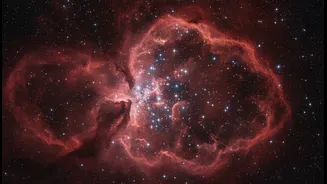
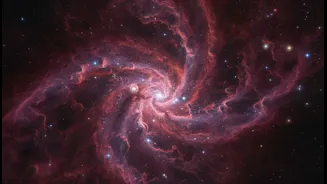
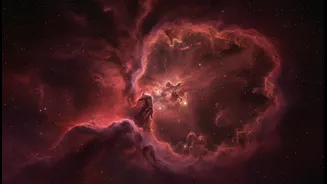
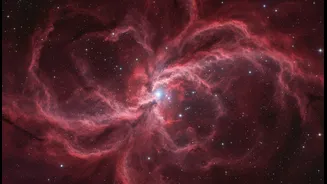
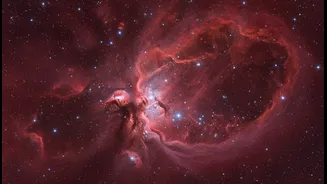
Astronomers have turned their gaze to a region known as LH 95, located in the Large Magellanic Cloud. This dwarf galaxy, a cosmic neighbor to our own Milky Way, serves as a perfect laboratory for studying the lifecycle of stars. The new images, captured
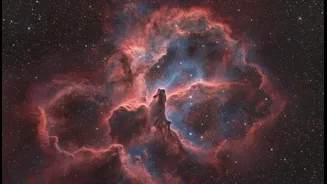
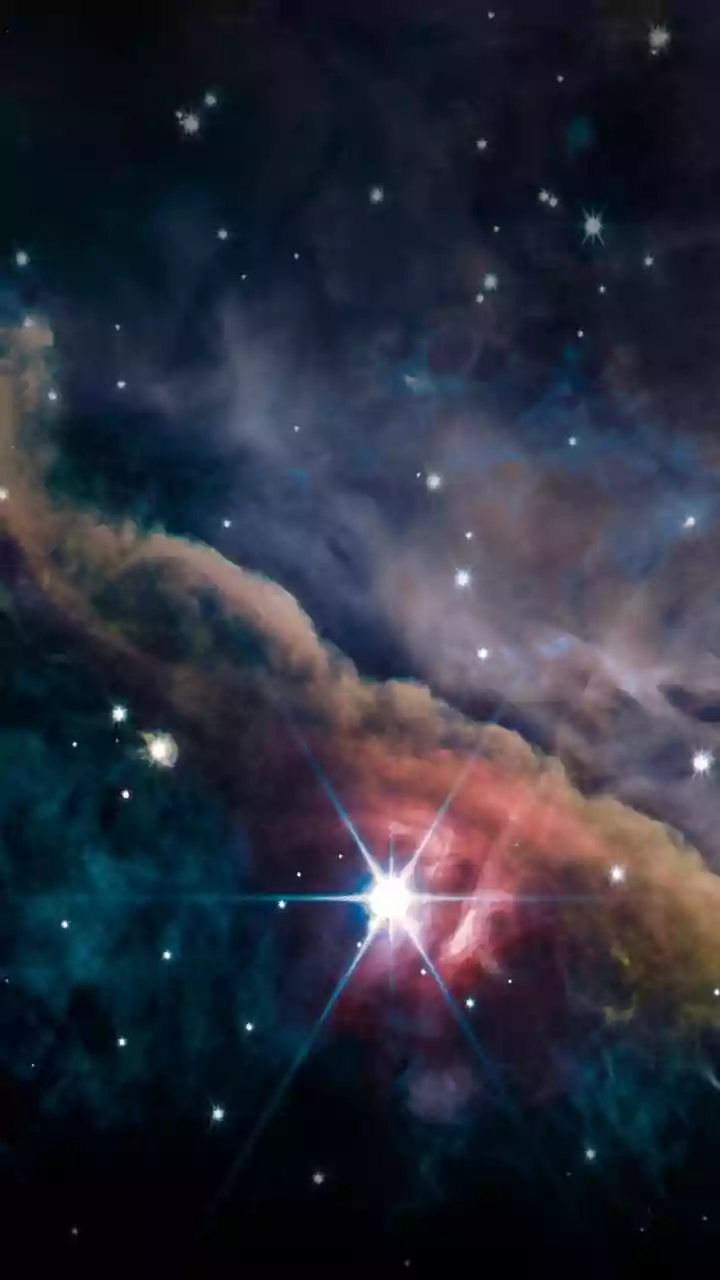
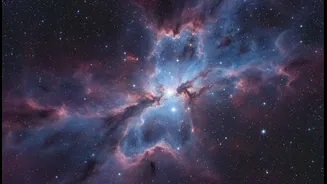
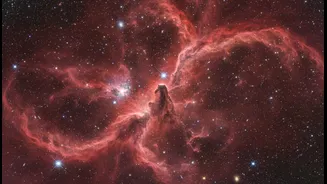
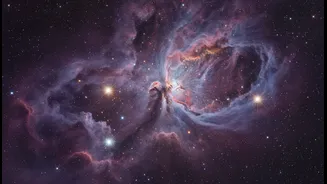
by the venerable Hubble Space Telescope, show a breathtaking landscape where brilliant blue and white stars sparkle against a backdrop of glowing red gas. This stellar association is particularly valuable because it is relatively close and has less obscuring dust than similar regions within our own galaxy, giving scientists a clearer view of the action.
Why the Cloud Is Crimson
The striking red hue of the cloud is not just for show; it is a vital scientific clue. The gas, primarily composed of hydrogen, glows a deep crimson because it is being energized by the intense ultraviolet radiation blasting from massive, young stars within and near the nursery. This specific shade of red light is known as hydrogen-alpha emission, and for astronomers, it is a giant, glowing signpost that points directly to active star formation. By focusing on this light, scientists can effectively map the areas where new stars are coming to life, cutting through the cosmic dust to see the youngest objects hidden within.
Thousands of Stars Caught in the Act
The most significant finding from the new LH 95 observations is the identification of an extraordinary population of developing stars. Researchers cataloged around 2,500 stars that are in a fascinating transitional phase. These are not yet the blazing suns we typically imagine; they are 'pre-main-sequence stars'. This means they have already gathered most of the gas and dust they need to become a star but have not yet reached the critical core temperature and pressure to ignite nuclear fusion—the engine that makes stars shine. They are, in essence, stars-in-waiting, giving astronomers a snapshot of a crucial, fleeting moment in stellar development.
Solving the Puzzle of Stellar Growth
Studying such a large population of stars at the same developmental stage allows scientists to answer fundamental questions about how they mature. One of the key takeaways from the LH 95 study is the confirmation of how stars 'eat'. These pre-main-sequence stars are still pulling in material from the rotating disks of gas and dust that surround them, a process known as accretion. The new research confirmed that the rate of this accretion, or how quickly the star gathers mass, slows down as the star gets older. This detail helps refine our models of star formation, explaining how the process gradually winds down before a star officially joins the galactic stage by igniting fusion in its core.
A Multi-Generational Cosmic Family
LH 95 is not just home to these developing stars. The region is a bustling cosmic metropolis containing multiple generations living side-by-side. Alongside the 2,500 infant stars, there are fully-fledged, massive blue giant stars that are at least three times the mass of our Sun. These larger, more powerful stars shape the entire environment with their strong stellar winds and radiation, carving the very crimson cloud that gives birth to their smaller siblings. This mix of ages and sizes in one place provides a unique opportunity for astronomers to study how different types of stars form and interact within the same cosmic neighborhood.