


The Foundational Warm-Up: Cat-Cow Pose
Known as Marjaryasana-Bitilasana, this gentle two-part pose is the perfect way to start your practice. It warms up the body and brings flexibility to the entire spine. The movement helps to release tension in the neck and upper back while improving posture
and balance. To begin, start on your hands and knees in a 'tabletop' position, with wrists under your shoulders and knees under your hips. As you inhale, drop your belly, lift your chest and chin, and look up (Cow Pose). As you exhale, round your spine toward the ceiling, tucking your chin to your chest, like a cat stretching its back (Cat Pose). Coordinating the movement with your breath calms the mind and prepares your body for deeper stretches.
The Full-Body Stretch: Downward-Facing Dog
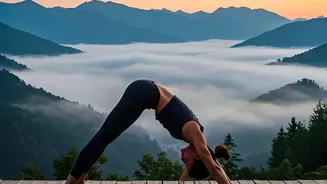
Adho Mukha Svanasana, or Downward-Facing Dog, is one of yoga's most recognized poses for a reason. It strengthens the body while stretching multiple areas at once, including the hamstrings, calves, and the entire length of the spine. To practice it, start on your hands and knees. Tuck your toes and lift your hips up and back, forming an inverted 'V' shape with your body. Spread your fingers wide and press firmly into your palms. For beginners, it's helpful to keep your knees slightly bent to focus on lengthening your spine. Let your heels sink toward the mat, but don't worry if they don't touch; the goal is to feel a deep stretch along the backs of your legs.
The Side Body Opener: Triangle Pose
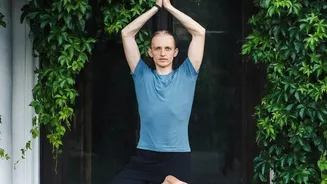
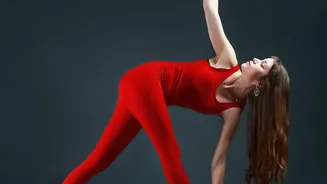
Trikonasana, or Triangle Pose, is a foundational standing posture that creates length along the sides of the body while stretching the hamstrings, hips, and groin. It builds strength in the legs and core while improving overall stability. To get into the pose, stand with your feet wide apart. Turn your right foot out 90 degrees and your left foot in slightly. Extend your arms parallel to the floor, then hinge at your right hip, reaching forward before bringing your right hand down to your shin, ankle, or a block. Extend your left arm toward the ceiling and gaze up. The pose is named for the triangular shapes your body creates, promoting both balance and expansion.
The Gentle Backbend: Bridge Pose
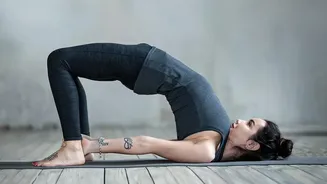
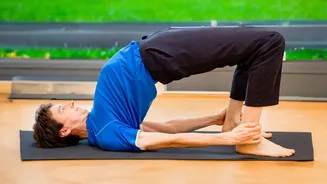
Setu Bandhasana, or Bridge Pose, is an accessible backbend that helps to open the chest, stretch the spine, and strengthen the back of the body. It's an excellent counter-pose for the effects of prolonged sitting. Lie on your back with your knees bent and feet flat on the floor, hip-width apart. You should be able to touch your heels with your fingertips. On an inhale, press into your feet to lift your hips toward the ceiling. You can keep your arms flat on the floor or interlace your fingers underneath your back, tucking your shoulders under to create more space in your chest. This pose stretches the hip flexors and strengthens the glutes and hamstrings.
The Deep Forward Fold: Seated Forward Bend
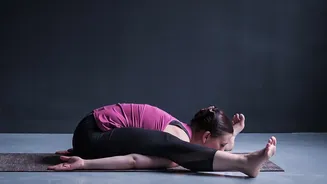
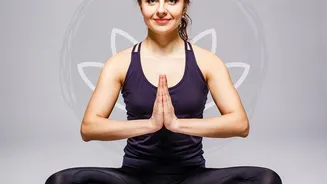
Paschimottanasana provides a deep stretch for the entire back side of the body, from your heels to your spine. This pose is known for its calming effect on the nervous system, helping to relieve stress and anxiety. Sit on the floor with your legs extended straight in front of you. Inhale to lengthen your spine, and on your exhale, hinge at your hips to fold forward. If your hamstrings are tight, it is crucial to bend your knees as much as needed; the priority is maintaining a long spine rather than rounding your back. You can rest your hands on your shins, ankles, or use a strap around your feet to gently deepen the stretch without straining.
The Restorative Release: Supine Spinal Twist
Ending your practice with a gentle twist can help release any remaining tension in your spine and back. The Supine Spinal Twist is a restorative pose that improves spinal mobility and provides a gentle stretch for the back, hips, and shoulders. Lie on your back and draw one knee into your chest. Extend your opposite arm out to the side. On an exhale, guide your bent knee across your body toward the floor. Keep both shoulders grounded as you turn your head to look in the opposite direction of your knee. This pose helps to soothe the nervous system and can aid in relaxation before rest.